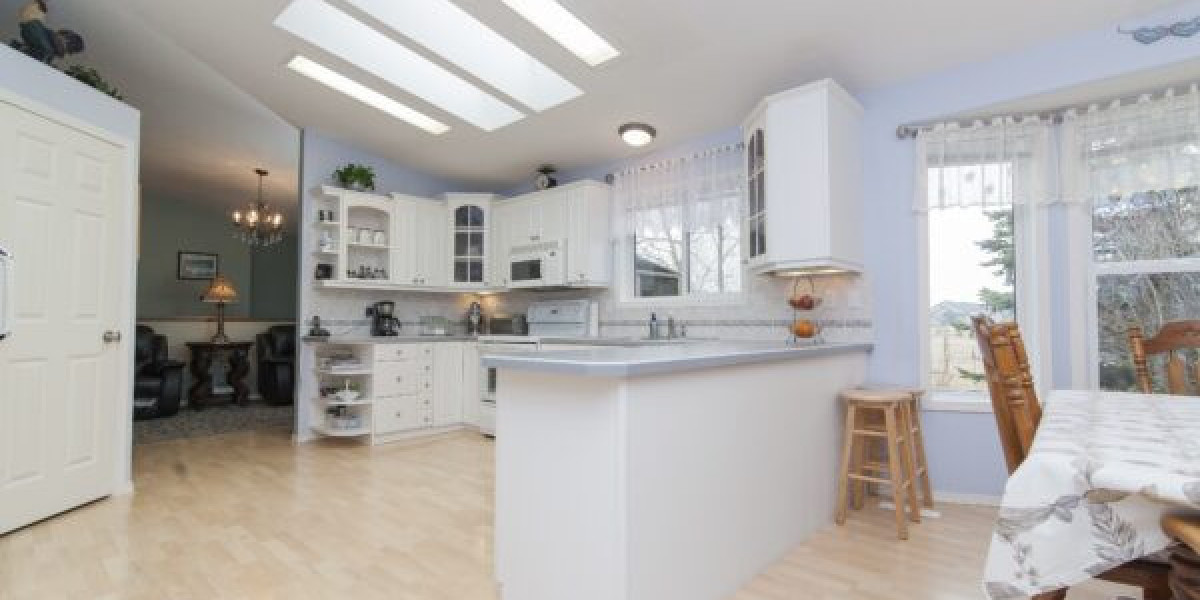

When it comes to renovating your kitchen, choosing the right flooring is one of the most important decisions you’ll make. Kitchens are busy spaces prone to spills, moisture, and heavy foot traffic, so your flooring needs to be durable, waterproof, and stylish. Luckily, modern flooring technology offers excellent waterproof options designed specifically for kitchens. In this article, we’ll explore the best waterproof flooring types, compare their features, and guide you through choosing the perfect floor for your kitchen renovation.
What Makes Flooring Waterproof and Ideal for Kitchens?
Waterproof flooring is designed to prevent water from penetrating the surface and causing damage such as warping, swelling, or mold growth. In kitchens, waterproof properties are essential because spills, splashes, and humidity are everyday challenges. Ideal waterproof flooring combines moisture resistance with durability, comfort, and an appealing look.
Waterproof floors typically use specialized core materials, protective coatings, and tight locking mechanisms that keep moisture out. This technology ensures your kitchen floor stays in great condition even with frequent exposure to water and other liquids.
Top Waterproof Flooring Types for Kitchens: Overview
Several flooring materials deliver excellent waterproof performance while offering different styles and price points. The most popular waterproof flooring options for kitchens include:
SPC Flooring (Stone Plastic Composite): SPC features a rigid core made from limestone and plastic, making it incredibly durable and 100% waterproof. It resists dents, scratches, and moisture, perfect for busy kitchens.
WPC Flooring (Wood Plastic Composite): WPC has a softer core than SPC, providing better underfoot comfort and sound absorption while remaining waterproof. It’s ideal for homeowners seeking both comfort and durability.
Luxury Vinyl Plank (LVP): LVP flooring mimics the look of hardwood or stone with waterproof vinyl construction. It offers a wide range of designs, easy installation, and low maintenance.
Waterproof Laminate Flooring: Laminate has evolved with waterproof cores and coatings that prevent water damage while maintaining the classic wood-look aesthetic at a budget-friendly price.
SPC vs. WPC Flooring: Which is Best for Your Kitchen?
Choosing between SPC and WPC flooring depends on your kitchen’s unique needs. Both types are waterproof but vary in construction and feel.
Feature | SPC Flooring | WPC Flooring |
Core Material | Stone Plastic Composite (rigid) | Wood Plastic Composite (softer) |
Durability | Highly durable and dent-resistant | Durable with more cushioning |
Waterproof | 100% waterproof | 100% waterproof |
Comfort | Firmer underfoot | Softer, more comfortable |
Installation | Click-lock system, DIY-friendly | Click-lock system, DIY-friendly |
Ideal Use | High-traffic kitchens, pets, kids | Kitchens needing extra comfort |
If you prefer a hard, ultra-durable surface that handles heavy foot traffic and kitchen messes with ease, SPC flooring is the way to go. For those who want a slightly softer, more cushioned feel without compromising waterproof qualities, WPC is an excellent choice.
Luxury Vinyl Plank Flooring: Stylish and Waterproof
Parma Flooring’s Luxury Vinyl Collection is one of the most popular waterproof kitchen flooring options. It combines the beauty of real wood or stone with the benefits of vinyl’s water resistance.
LVP is manufactured using multiple layers, including a waterproof vinyl core, a photographic design layer that realistically replicates natural materials, and a durable wear layer that resists scratches and stains. Its versatility allows you to achieve a high-end look without the maintenance worries associated with hardwood.
Installing LVP is straightforward with click-lock or glue-down methods, making it a favorite among both DIYers and professionals. This flooring also provides excellent resistance to dents and moisture, perfect for busy kitchens.
Waterproof Laminate Flooring: Affordable and Resilient
Waterproof laminate flooring has advanced significantly to offer kitchen-friendly features without sacrificing style. Traditionally, laminate was not ideal for wet areas, but new core technologies and water-resistant coatings make it suitable for kitchens.
Laminate floors are composed of a high-density fiberboard core topped with a photographic image of wood or stone and finished with a protective wear layer. The waterproof varieties feature sealed edges and moisture-resistant cores to prevent warping.
This option is attractive for budget-conscious homeowners seeking the natural wood look with easier upkeep and water resistance. While not as soft as WPC, modern waterproof laminate still provides excellent scratch and stain resistance.
How to Choose the Best Waterproof Flooring for Your Kitchen
Selecting the perfect waterproof flooring depends on multiple factors:
Water Resistance: Ensure the flooring is rated 100% waterproof or highly water resistant for kitchen use.
Durability: Consider how much foot traffic your kitchen receives and whether you have pets or children.
Comfort: Decide if you prefer a firmer surface (SPC) or a cushioned feel (WPC).
Style and Design: Choose a floor that complements your kitchen’s aesthetic, from rustic to modern.
Budget: Balance initial costs with long-term maintenance and durability.
Installation: Check if you prefer professional installation or DIY-friendly options.
At Parma Flooring, we recommend SPC flooring for high-traffic kitchens requiring maximum durability and waterproofing, and WPC flooring if comfort is a priority. Our product collections offer a variety of colors and finishes to suit every kitchen style.
Installation Options and Tips for Waterproof Kitchen Flooring
Waterproof flooring generally supports both professional and DIY installation, especially with click-lock systems. Preparing your kitchen subfloor is critical — it must be clean, level, and dry to avoid future issues.
Common installation steps include:
Acclimate Flooring: Allow planks or tiles to adjust to room temperature and humidity.
Prepare Subfloor: Remove old flooring, repair damages, and ensure a flat surface.
Install Moisture Barrier: Use underlayment or vapor barriers as recommended.
Lay Flooring: Follow manufacturer guidelines for click-lock or glue-down installation.
Finish Edges: Install baseboards or molding for a polished look.
Avoid common mistakes like skipping moisture barriers or installing on uneven subfloors. Proper installation preserves your floor’s waterproof integrity and extends its lifespan.
Maintaining and Caring for Waterproof Kitchen Floors
One of the best advantages of waterproof flooring is easy maintenance. To keep your kitchen floors looking new:
Clean spills immediately to prevent stains.
Use a soft broom or vacuum designed for hard floors to remove debris.
Mop with a damp cloth and mild, pH-neutral cleaners.
Avoid abrasive scrubbers or harsh chemicals that can damage the finish.
Place felt pads under furniture legs to prevent scratches.
Use rugs in high-traffic areas to reduce wear.
Routine care not only preserves waterproof qualities but also maintains the floor’s appearance for years to come.
Real Customer Reviews and Case Studies on Waterproof Kitchen Flooring
Many homeowners who choose waterproof flooring report satisfaction with both style and performance. SPC flooring is praised for its toughness, especially in kitchens with children and pets. Customers enjoy the realistic wood and stone looks of luxury vinyl plank, which adds warmth and texture.
Waterproof laminate appeals to those who want an attractive wood-look floor without high costs. In all cases, customers appreciate the ease of cleaning and peace of mind from waterproof protection.
At Parma Flooring, our clients regularly share success stories of kitchen renovations featuring our SPC and WPC floors, highlighting their durability and beauty over time.
Final Thoughts
Choosing the best waterproof flooring for your kitchen renovation involves balancing durability, style, comfort, and budget. SPC and WPC flooring from Parma Flooring provide top-tier waterproof protection combined with beautiful designs tailored to fit any kitchen style. With proper installation and maintenance, these floors will keep your kitchen looking stunning and functioning well for years.
Explore Parma Flooring’s collections today to find your perfect waterproof kitchen floor that combines lasting performance with elegant style.
Frequently Asked Questions (FAQs)
What is the most durable waterproof flooring for kitchens?
SPC flooring is the most durable waterproof option for kitchens. Its rigid stone plastic composite core resists dents, scratches, and moisture, making it perfect for high-traffic and busy kitchen environments. It offers long-lasting protection against water damage.
Can I install waterproof flooring myself?
Yes, many waterproof floors feature click-lock systems designed for easy DIY installation. With proper tools and surface preparation, you can install SPC, WPC, or vinyl plank flooring yourself, saving money on labor while ensuring a secure, waterproof fit in your kitchen.
How do I maintain waterproof kitchen floors?
To maintain waterproof floors, sweep or vacuum regularly to remove debris. Clean spills immediately and mop with mild, pH-neutral cleaners. Avoid harsh chemicals or abrasive tools to prevent damage, and use furniture pads to protect from scratches and dents.
Is waterproof laminate better than vinyl for kitchens?
Vinyl generally offers superior waterproofing and flexibility compared to laminate. Waterproof laminate is budget-friendly and provides decent water resistance but may not handle standing water as well. Choose vinyl for high moisture areas and laminate for lower moisture zones.