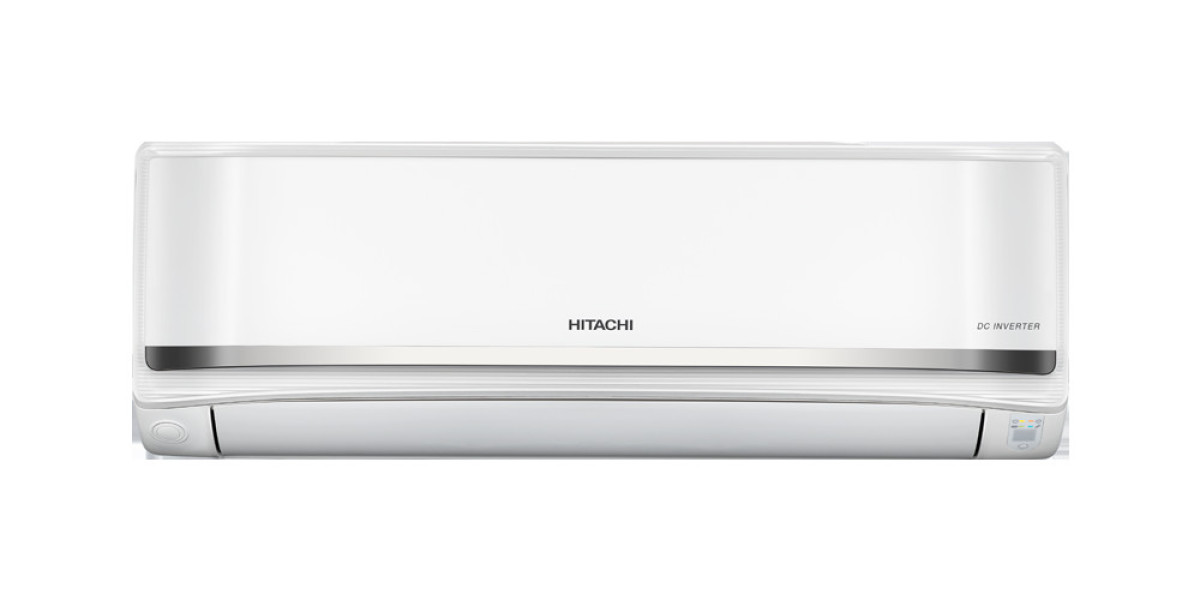

1. Exceptional Energy Efficiency
Energy efficiency is one of the biggest advantages of VRF systems.
Why it matters:
- Commercial buildings consume high electricity.
- HVAC systems account for a large share of energy usage.
VRF systems use inverter technology to run only at required capacity. This significantly reduces power consumption.
The International Energy Agency (IEA) highlights that improving cooling efficiency is critical to managing global energy demand. VRF systems directly support this goal.
Result: Lower monthly electricity bills and long-term savings.
2. Zoned Cooling for Maximum Comfort
One of the strongest benefits of VRF air conditioners is zoned temperature control.
Each indoor unit can operate independently.
Example:
- Conference room: 22°C
- Cabin: 24°C
- Reception area: 23°C
This flexibility improves comfort while avoiding energy waste.
3. Seamless Integration with Cassette AC Units
VRF systems work extremely well with cassette AC indoor units.
Benefits of cassette AC with VRF:
- Installed in ceiling (clean look)
- Uniform 360-degree airflow
- Ideal for offices and commercial spaces
- Saves wall space
- Minimal visible equipment
Cassette AC units distribute air evenly, making them perfect for large rooms like:
- Boardrooms
- Hotel lobbies
- Retail stores
- Restaurants
4. Quiet Operation
Noise can disturb productivity in offices and affect guest comfort in hotels.
VRF systems are designed for low-noise operation because:
- Compressors operate smoothly.
- Indoor units are optimized for silent airflow.
- No frequent on-off cycles.
This makes VRF ideal for:
- Meeting rooms
- Bedrooms
- Hospitals
- Study areas
5. Flexible Installation
VRF air conditioners offer greater design flexibility compared to traditional ducted systems.
Advantages:
- Long refrigerant piping length
- Fewer outdoor units required
- Flexible indoor unit types (cassette AC, ducted, wall-mounted)
Architects prefer VRF systems because they adapt easily to modern building designs.
6. Simultaneous Cooling and Heating
Some advanced VRF systems support heat recovery technology.
This allows:
- Cooling in one zone
- Heating in another
For example:
- A server room may require cooling.
- A spa or conference hall may require mild heating.
VRF systems handle both efficiently.
The American Society of Heating, Refrigerating and Air-Conditioning Engineers (ASHRAE) recognizes advanced HVAC technologies like VRF for improving building performance.
7. Lower Maintenance Costs
Compared to traditional central systems:
- VRF has fewer moving parts.
- Less ductwork means fewer leakage issues.
- Advanced diagnostics detect problems early.
Routine maintenance typically includes:
- Filter cleaning
- Refrigerant checks
- System inspection
This reduces downtime and long-term maintenance costs.
8. Space-Saving Design
Traditional chillers require large mechanical rooms and heavy ducting.
VRF systems:
- Use compact outdoor units
- Reduce bulky duct systems
- Allow cleaner interior designs
This is especially useful in:
- Commercial towers
- Premium residential apartments
- Renovation projects
9. Long-Term Cost Efficiency
Although VRF air conditioners may have a higher initial cost, they provide:
- Reduced electricity bills
- Lower maintenance costs
- Longer lifespan (15–20 years)
- Better resale property value
Cost Comparison Overview
Factor | VRF Air Conditioners | Traditional AC |
Initial Cost | Higher | Lower |
Energy Bills | Lower | Higher |
Maintenance | Lower | Moderate |
Comfort Control | Advanced | Limited |
Long-Term ROI | High | Moderate |
For commercial projects, VRF offers strong long-term returns.
10. Environmentally Friendly Solution
Energy-efficient systems reduce carbon emissions.
India is focusing on sustainable building practices, and VRF systems help by:
- Reducing electricity consumption
- Supporting green building certifications
- Improving overall energy performance
This aligns with sustainability goals promoted by global organizations such as the IEA.
Where VRF Air Conditioners Are Most Suitable
VRF systems are ideal for:
- IT offices
- Hotels
- Hospitals
- Shopping malls
- Educational institutions
- Luxury villas
They are especially beneficial where:
- Different rooms need different temperatures
- Energy efficiency is a priority
- Aesthetic design matters
Installation Steps for VRF Air Conditioners
Here’s how the installation process typically works:
- Site inspection and load calculation
- System design and zoning plan
- Selection of indoor units (cassette AC, ducted, etc.)
- Outdoor unit installation
- Refrigerant piping and electrical connections
- Testing and commissioning
Professional installation ensures maximum performance.
FAQs
1. Are VRF air conditioners suitable for the Indian climate?
Yes. VRF systems are designed to perform efficiently even in high temperatures, making them ideal for Indian weather conditions.
2. Can VRF systems work with cassette AC units?
Absolutely. Cassette AC units are commonly used with VRF systems and provide uniform air distribution, especially in commercial spaces.
3. Are VRF air conditioners expensive?
The initial cost is higher than split AC systems, but long-term energy savings and lower maintenance make them cost-effective.
4. How long do VRF air conditioners last?
With proper maintenance, VRF systems can last 15–20 years, making them a reliable investment.
5. Is VRF better than central air conditioning?
For offices and commercial buildings, VRF offers better zoning control, energy efficiency, and flexibility compared to traditional central AC systems.
Final Thoughts
If you’re planning a commercial project or upgrading your current cooling system, installing VRF air conditioners is a smart decision.
They provide:
- Energy savings
- Smart zoning control
- Quiet operation
- Compatibility with cassette AC units
- Long-term financial benefits