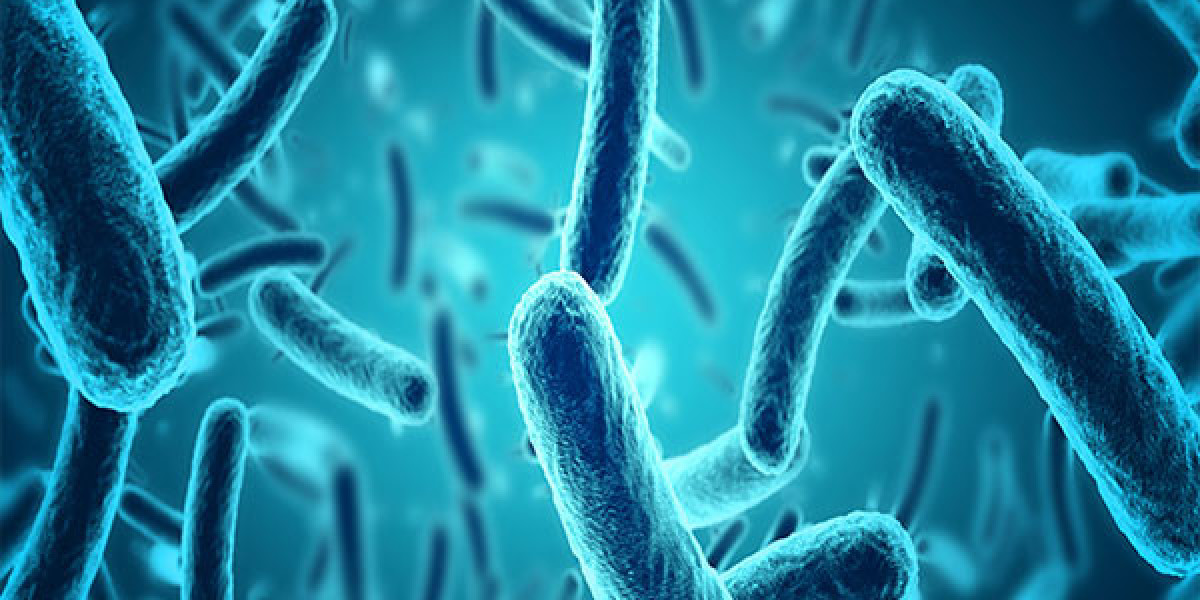

While antibiotics like Amoxicillin 500 and Azithromycin remain standard therapies, several innovative and unconventional approaches are gaining attention. Here are seven unexpected treatments used to fight bacterial infections.
1. Bacteriophage Therapy
Bacteriophage therapy uses viruses known as bacteriophages (or phages) to infect and kill specific bacteria. Unlike broad-spectrum antibiotics, phages target only harmful bacteria, leaving beneficial bacteria unharmed. This therapy was first discovered in the early 20th century and is still widely used in countries like Georgia and Poland. Today, it is being reconsidered globally as a promising solution for multidrug-resistant infections such as MRSA and drug-resistant tuberculosis.
2. Fecal Microbiota Transplantation (FMT)
Though it may sound unusual, fecal microbiota transplantation involves transferring healthy gut bacteria from a donor to a patient. This method has shown remarkable success in treating recurrent infections caused by Clostridioides difficile. By restoring the natural balance of gut flora, FMT helps the body suppress harmful bacterial overgrowth. Hospitals and research centers worldwide are studying its potential for other gastrointestinal and systemic infections.
3. Honey as a Natural Antibacterial Agent
Medical-grade honey, especially Manuka honey, has powerful antibacterial properties. It creates an environment that prevents bacterial growth due to its low pH and hydrogen peroxide content. Honey has been successfully used in wound care to treat infected burns, ulcers, and surgical wounds. Some bacteria resistant to antibiotics are still vulnerable to honey-based treatments, making it a valuable complementary therapy.
4. Maggot Debridement Therapy
Maggot therapy involves placing sterile larvae on infected wounds. These larvae consume dead and infected tissue while leaving healthy tissue intact. Additionally, maggots release antimicrobial substances that help eliminate bacteria. This treatment is particularly useful in chronic wounds, diabetic foot ulcers, and severe skin infections where conventional treatments may fail.
5. Probiotics
Probiotics are live beneficial bacteria that help maintain a healthy microbial balance in the body. While often associated with digestive health, probiotics can also prevent bacterial infections by competing with harmful bacteria. Certain strains have been shown to reduce the risk of urinary tract infections and respiratory infections. Probiotics are often used alongside antibiotics to reduce side effects such as diarrhea and to support recovery.
6. Antimicrobial Peptides
Antimicrobial peptides (AMPs) are naturally occurring molecules found in humans, animals, and plants. They act as part of the innate immune system by directly destroying bacterial cell membranes. Scientists are developing synthetic AMPs as potential alternatives to traditional antibiotics. Because they attack bacteria differently, resistance may develop more slowly compared to standard drugs.
7. Light and Photodynamic Therapy
Photodynamic therapy (PDT) uses light-sensitive compounds combined with specific wavelengths of light to kill bacteria. When activated, these compounds produce reactive oxygen species that destroy bacterial cells. PDT has been explored for dental infections, skin infections, and even antibiotic-resistant bacteria. This method offers a non-invasive and targeted approach to infection control.
Why These Treatments Matter
Antibiotic resistance is a growing global health crisis. The overuse and misuse of antibiotics have led to the development of “superbugs” that no longer respond to conventional medications. According to the World Health Organization, antimicrobial resistance is one of the top public health threats worldwide.
Unexpected treatments such as bacteriophages, honey therapy, probiotics, and photodynamic therapy represent innovative approaches that may reduce dependence on traditional antibiotics. While many of these treatments are still under research or used in specialized settings, they highlight the importance of exploring alternative strategies in modern medicine.
Conclusion
Although antibiotics like Amoxicillin and Azithromycin australia continue to play a critical role in treating bacterial infections, the future of infection management may involve a combination of conventional and unconventional therapies. As science advances, these unexpected treatments could become mainstream options in the fight against antibiotic-resistant bacteria.
By understanding and supporting innovative solutions, healthcare professionals and patients alike can contribute to more sustainable and effective infection control strategies.