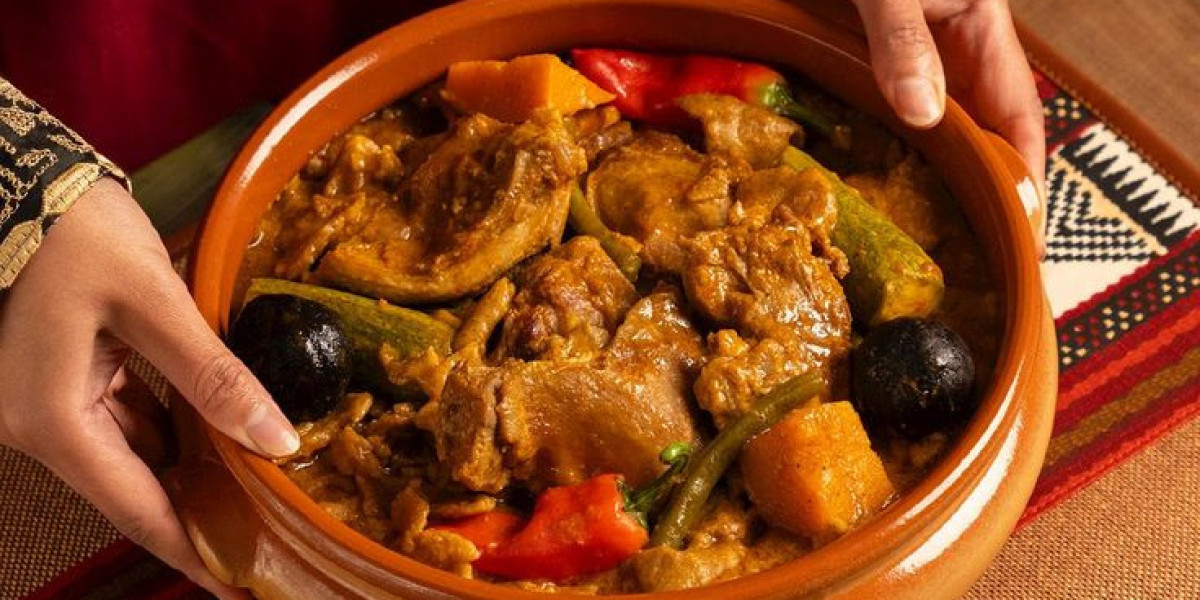

One of the most common questions American travelers ask when preparing to visit Arab countries or exploring Arab American restaurant culture is simply: what do arabic people eat every day? The honest answer is that daily eating in the Arab world varies significantly by country, economic circumstances, and urban versus rural settings, but there are consistent patterns that hold across a wide range of contexts. This guide covers breakfast traditions, lunch habits, popular meats, street food culture, festive eating, and regional variations to give you a genuine understanding of daily middle eastern food .
Common Breakfasts Answering What Do Arabic People Eat
Breakfast in Arab countries is generally more substantial than the American quick coffee-and-toast approach. In Egypt, the traditional breakfast that most directly answers what do arabic people eat in the morning is ful medames, slow-cooked fava beans seasoned with lemon juice, garlic, cumin, and olive oil, served with warm flatbread and sometimes a hard-boiled egg. This preparation is eaten daily by millions of Egyptians across every income level and has remained essentially unchanged for centuries.
Lebanese and Syrian morning culture is built around man'oushe, the flatbread topped with za'atar and olive oil or white cheese and tomatoes baked in a hot oven. Bakeries producing fresh man'oushe open early and do most of their business in the morning hours, with customers eating at small tables or taking their bread to eat walking or at work. In Gulf countries, breakfast often includes khubz bread with hummus, eggs prepared in various ways, and sweet tea brewed with cardamom.
Lunch Traditions Explaining What Do Arabic People Eat
Lunch is traditionally the main meal of the day in most Arab countries, eaten in the early to mid afternoon when families return home from school and work in countries where this midday gathering is still culturally practiced. The lunch spread in a traditional Lebanese household might include a pot of rice, a slow-cooked stew or braised meat, one or two vegetable dishes, a simple salad, and bread. This is eaten together as a family and represents the primary social meal of the day.
In more urbanized modern contexts, particularly in Gulf cities where long commutes make returning home for lunch impractical, lunch has increasingly shifted toward restaurant eating, takeout, and the delivery services that have become extremely popular across the region. Shawarma and falafel shops do their busiest trade at the noon to two pm window, serving the working population with quick, affordable, and genuinely satisfying lunches.
Popular Meats Featured in What Do Arabic People Eat
To fully understand what do arabic people eat when it comes to protein, you need to start with chicken. Despite lamb's cultural significance as the celebration meat and the most traditional protein, chicken has become the most commonly eaten meat in everyday Arab cooking because of its affordability and versatility. Grilled chicken, roasted chicken, chicken in stews, and chicken in rice dishes form the largest portion of weekly protein consumption in most Arab households.
Lamb appears at the most important meals, particularly Friday lunch, which is the Arab equivalent of Sunday dinner in American culture. Friday is the weekly day of prayer and the traditional day for extended family meals. A whole roasted chicken or a lamb stew served over rice is the most common Friday lunch across the Levant and Egypt. In Gulf countries, Friday lunch might involve a whole lamb preparation or an elaborate kabsa rice dish made for a large gathering.
Street Foods Influencing What Do Arabic People Eat Habits
Street food is a genuinely important part of what do arabic people eat in daily life and is not considered lesser food than restaurant or home cooking. In every Arab city, the street food ecosystem provides affordable, quick, and satisfying meals that are deeply embedded in the daily rhythms of working life. A construction worker in Beirut eating a falafel sandwich from a street vendor, a schoolteacher in Cairo having a koshari bowl for lunch, and an office worker in Dubai ordering a shawarma from a sidewalk shop are all expressing the same food culture through accessible daily preparations.
Understanding Middle Eastern food in street food contexts is one of the most direct and enjoyable ways to experience the daily food culture of the Arab world, and a well-organized guide to Middle Eastern food covers these street food traditions with the detail that helps travelers identify and enjoy the best options.
The Egyptian koshari tradition deserves particular attention because it represents a uniquely Egyptian street food that has no real parallel elsewhere in the Arab world. A layered combination of rice, brown lentils, pasta, and crispy fried onions topped with spiced tomato sauce and garlic vinegar, koshari is eaten daily by millions of Egyptians and is one of the most nutritionally complete and satisfying street foods anywhere.
Festive Dishes Related to What Do Arabic People Eat
The most important question of what do arabic people eat at festive occasions has a different answer depending on the specific celebration. Eid Al Fitr, the celebration at the end of Ramadan, is associated with sweet preparations. The first meal after the month of fasting is typically broken with dates and water, a tradition going back to the Prophet Muhammad. The following days of celebration feature lamb preparations, various sweets including maamoul and knafeh, and family gatherings.
Eid Al Adha, the Festival of Sacrifice, centers entirely on the preparation and sharing of lamb. Weddings in the Arab world produce the most elaborate and generous food spreads, with whole roasted lamb served over rice being the centerpiece of the reception meal in traditional contexts. The volume of food prepared for a wedding is understood as a direct expression of the families' generosity and financial means.
Regional Variations Shaping What Do Arabic People Eat Traditions
The variation in what arabic people eat across different countries is significant enough that daily eating in Lebanon and daily eating in Saudi Arabia are almost completely different experiences despite both being Arab food cultures. Lebanese daily eating is built around fresh vegetables, olive oil, bread, yogurt-based dishes, and grilled meats. The mezze tradition means that even everyday meals involve multiple small dishes. Saudi daily eating is centered on rice preparations, slow-cooked meats, and breads specific to Gulf culture.
Egyptian daily eating is built on ful medames and koshari as foundational everyday preparations to a degree not seen anywhere else in the Arab world. Yemeni daily eating involves preparations like salta, the spiced meat and vegetable stew finished with a distinctive fenugreek foam called hulba, that are completely unique to Yemeni food culture. These regional differences make generalizing about Arab daily eating genuinely difficult without country-specific context.
https://www.travelosei.com/hello-india/middle-eastern-food
Frequently Asked Questions
Is rice eaten at every meal in the Arab world?
No. Rice is the primary carbohydrate in Gulf, Persian, and many Levantine main course preparations but bread is equally if not more central to daily eating throughout the Arab world. In Egypt, bread is the most fundamental daily food. In Lebanon, pita accompanies every meal but rice is also often present as a separate side dish.
Do Arabic people typically eat with their hands or with utensils?
Both, depending on the specific dish and context. Bread is always eaten by hand. Dishes like mansaf in Jordan are traditionally eaten by hand from a communal platter at formal occasions. Modern urban Arab eating uses full Western-style utensils for most meals. The traditional hand-eating style is maintained for specific traditional preparations.
What do Arabic people typically drink with meals?
Water, fresh juice, and sweet tea or coffee are the most common meal beverages. Ayran, the yogurt drink, is popular particularly in the Levant and Turkey. Alcohol is absent from the diets of observant Muslims, which means most Arab restaurants and many households serve only non-alcoholic options. Fresh lemonade, mint tea, and hibiscus juice are all excellent and widely available alternatives.
What is the most important meal of the week in Arab culture?
Friday lunch is the most important weekly meal across most of the Arab world. It is the day when extended families gather after Friday prayers and the most elaborate meal of the week is prepared. The equivalent of the American Sunday family dinner, Friday lunch in Arab culture represents the social and culinary high point of the weekly calendar.
Is coffee important in Arab food culture?
Extremely important. Arabic coffee, called qahwa, is brewed with cardamom and sometimes saffron and served in small handle-less cups as a gesture of hospitality. Offering coffee to guests is a fundamental obligation. Turkish-style coffee, thick and unfiltered, is equally important in Levantine coffee culture. Both traditions are deeply embedded in the social rituals surrounding Arab hospitality.