
Living with a rare kidney condition can feel overwhelming, especially when information seems complex or hard to find. At NephCure, our mission is to make kidney health education clear, supportive, and empowering. This article is designed to raise awareness and guide patients and families through key aspects of FSGS, including fsgs diagnosis, understanding FSGS kidney disease symptoms, and the supportive role of an FSGS diet.
By turning medical knowledge into approachable insights, we hope to help you feel more confident every step of the way.
What Is FSGS Kidney Disease?
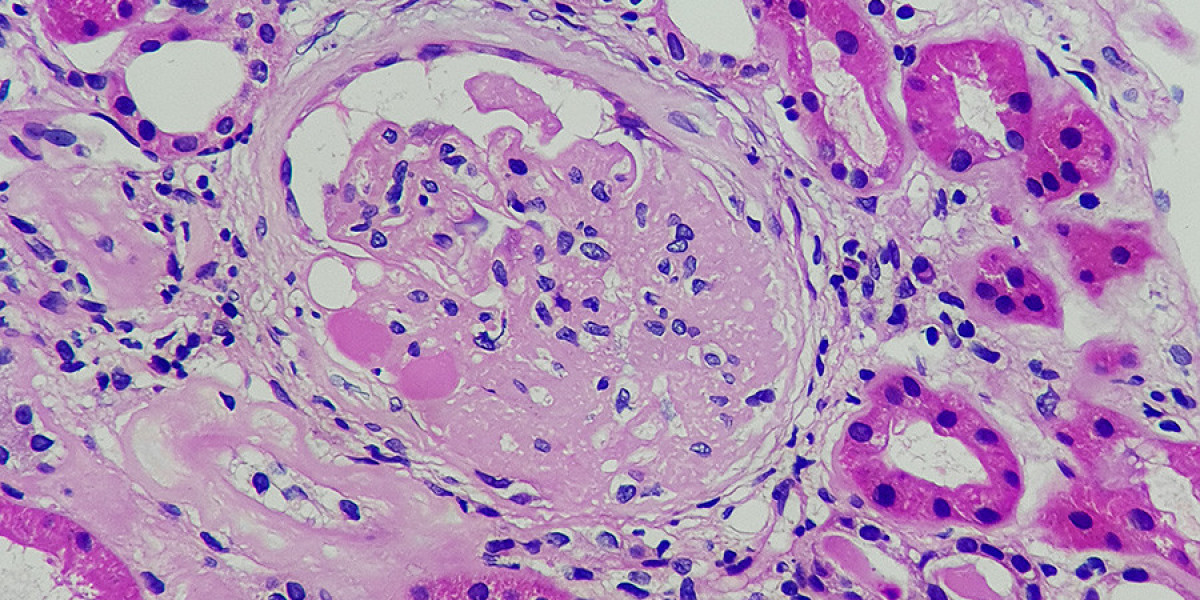
Focal segmental glomerulosclerosis, commonly known as FSGS, is a chronic kidney disease that affects the glomeruli—the tiny filters in the kidneys responsible for removing waste and excess fluid from the blood. In FSGS, some of these filters become scarred, making it harder for the kidneys to function properly.
Over time, this scarring can lead to protein leaking into the urine and may progress to reduced kidney function if not carefully managed.
Recognizing FSGS Kidney Disease Symptoms
Early awareness of FSGS kidney disease symptoms is an important part of timely care. Symptoms may develop gradually and can vary from person to person.
Common Symptoms to Watch For:
Swelling in the legs, ankles, feet, or around the eyes
Foamy or bubbly urine caused by protein loss
Fatigue or low energy levels
Unexplained weight gain from fluid retention
High blood pressure
At NephCure, we encourage patients to listen to their bodies and seek medical evaluation if these symptoms appear or persist.
Understanding the FSGS Diagnosis Process
Receiving an fsgs diagnosis often involves several steps, as doctors work to understand the cause and extent of kidney damage. Because FSGS is a rare disease, diagnosis may take time and careful evaluation.
Tests Commonly Used for FSGS Diagnosis:
Urine tests to measure protein levels
Blood tests to assess kidney function
Imaging studies such as ultrasound
Kidney biopsy to confirm scarring patterns
A clear diagnosis helps guide treatment decisions and long-term care planning. NephCure emphasizes the importance of asking questions and understanding each step of the diagnostic process.
The Role of Nutrition: Understanding the FSGS Diet
While there is no single eating plan that can cure FSGS, nutrition plays a supportive role in managing symptoms and protecting kidney health. An individualized fsgs diet can help reduce stress on the kidneys and support overall well-being.
General Dietary Considerations May Include:
Managing protein intake to avoid overworking the kidneys
Reducing sodium (salt) to help control swelling and blood pressure
Balancing fluids, based on medical advice
Choosing heart-healthy foods, since kidney disease can increase cardiovascular risk
Because every patient’s needs are different, NephCure encourages working with healthcare providers or registered dietitians to create a plan tailored to your condition and lifestyle.
Living Well With FSGS
Managing FSGS goes beyond lab tests and appointments. Daily habits, emotional support, and education all contribute to quality of life.
Practical Tips for Patients and Families:
Keep a record of symptoms and medical results
Follow treatment and monitoring plans closely
Stay informed through trusted educational resources
Connect with patient communities for support
At NephCure, we recognize that living with a rare kidney disease can feel isolating, which is why community connection is a cornerstone of our work.
Why Education and Awareness Matter
Because FSGS is rare, many patients face delayed diagnosis or limited understanding of their condition. Education empowers individuals to become active participants in their care and advocates for better outcomes.
NephCure is committed to:
Supporting research into improved treatments
Providing patient-centered education
Amplifying patient voices within the healthcare community
By learning more about fsgs kidney disease symptoms, the fsgs diagnosis process, and the role of an fsgs diet, patients are better equipped to navigate their journey.
Moving Forward With Knowledge and Hope
An FSGS diagnosis can be life-changing, but it does not define the future. With growing awareness, advancing research, and strong patient advocacy, there is real hope ahead.