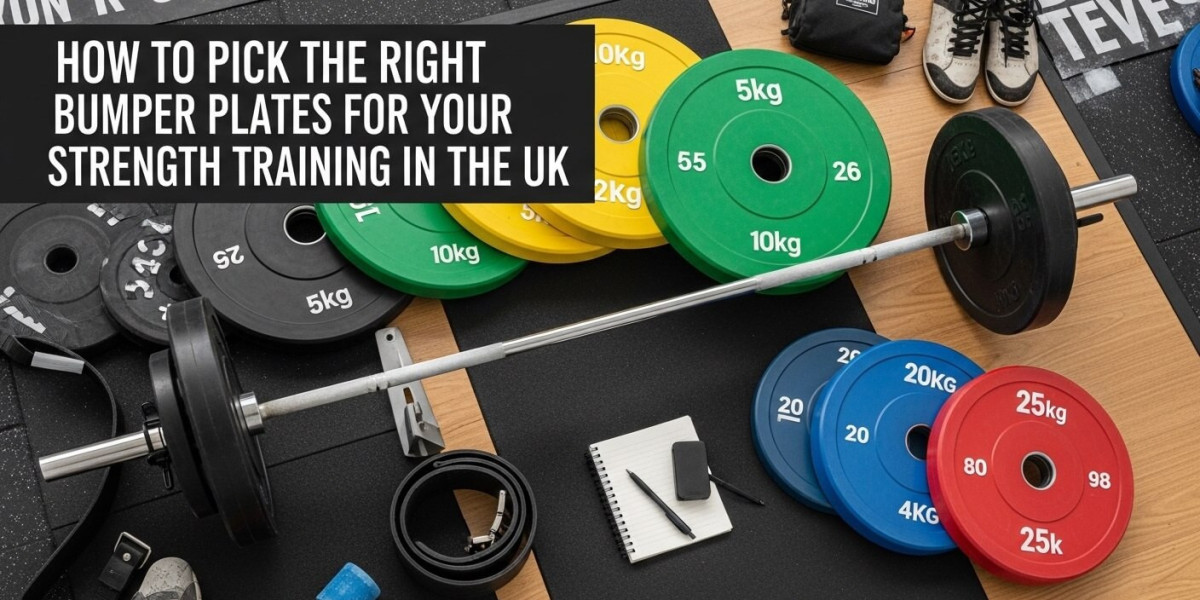

Choosing the right bumper plates is essential for anyone serious about strength training, whether you are setting up a commercial facility or building a home gym in the UK. The correct plates not only improve performance but also protect your flooring, barbell, and overall training environment. With a wide range of options available, understanding what to look for will help you invest wisely and train safely.
Understanding What Bumper Plates Are
Bumper plates are weight plates made primarily from dense rubber, designed to be safely dropped from overhead. Unlike traditional cast iron plates, they absorb impact and reduce noise, making them ideal for Olympic weightlifting, CrossFit, and high-intensity strength training. Their consistent diameter across different weights ensures proper lifting mechanics, particularly for movements such as cleans, snatches, and deadlifts.
In the UK, bumper plates are commonly measured in kilograms rather than pounds, aligning with international weightlifting standards. This is particularly important if you are training for competitions governed by organisations like British Weight Lifting, which follows strict equipment specifications.
Consider the Type of Training You Do
Your training style plays a major role in determining the right bumper plates. If you focus on Olympic lifts, you should look for plates with low bounce and high durability. These are often referred to as competition-style bumper plates and typically feature a steel centre hub for enhanced stability.
For general strength training or home gym use, standard rubber bumper plates are often sufficient. They are usually more affordable while still offering durability and floor protection. If your workouts include high-repetition functional training, durability and noise reduction should be high on your priority list.
Check the Material and Durability
Not all bumper plates are created equal. Virgin rubber plates tend to have less odour and a smoother finish, while recycled crumb rubber plates are usually more budget-friendly and slightly thicker. In commercial gym settings across the UK, durability is crucial because the plates will be dropped frequently and used by multiple members.
A high-quality steel insert or reinforced centre ring ensures the plate maintains its shape and fits securely on Olympic barbells with a 50mm sleeve diameter, which is the UK standard. Investing in well-manufactured bumper plates reduces the risk of cracking, warping, or loose inserts over time.
Evaluate Bounce and Noise Levels
Bounces can significantly affect both safety and performance. Excessive bounce may cause the barbell to rebound unpredictably, increasing the risk of injury or damage. Competition-grade bumper plates are engineered with lower bounce for controlled drops.
If you are installing equipment in a residential area or shared facility, noise control is another important factor. Rubber bumper plates are far quieter than iron alternatives, making them a popular choice for fitness facilities and those purchasing fitness equipment for gyms UK-based businesses where noise management may be a concern.
Consider Plate Thickness and Storage Space
Heavier bumper plates can be thicker than iron plates, which limits the total weight you can load onto a barbell. If you plan to lift very heavy loads, check the plate thickness to ensure your barbell can accommodate the total weight you aim to use.
Storage space also matters. UK home gyms are often compact, so slimmer plates and vertical storage racks can make a big difference in maintaining an organised training area.
Look at Certification and Standards
If you are training competitively, consider plates that meet International Weightlifting Federation standards. While not everyone needs official competition plates, certified options offer tighter weight tolerances and consistent dimensions.
For general users, ensuring the plates are compatible with Olympic barbells and clearly marked in kilograms is usually sufficient. Always check manufacturer specifications and warranty details before purchasing.
Budget and Long-Term Value
Price is an important consideration, but it should not be the only one. Cheaper bumper plates may save money initially but could wear out faster, especially in high-traffic gym environments. Investing in durable, well-reviewed products can provide better long-term value and reduce replacement costs.
When purchasing Bumper Plates in the UK, compare product reviews, warranty terms, and material specifications. Reliable suppliers often provide detailed descriptions and transparent testing standards, which help you make an informed decision.
Final Thoughts
Selecting the right bumper plates comes down to understanding your training goals, available space, and budget. Whether you are equipping a commercial gym or upgrading your home setup, prioritising durability, safety, and compatibility will ensure your investment supports your progress for years to come. By carefully evaluating material quality, bounce control, and certification standards, you can confidently choose plates that match your strength training needs in the UK.