
When your vehicle starts losing power, struggling to accelerate, or running roughly, it can quickly become frustrating and concerning. Many drivers initially assume the issue is related to fuel quality, spark plugs, or engine sensors. However, one commonly overlooked cause is a worn or failing timing belt. The timing belt plays a crucial role in synchronizing the engine's internal components. When it begins to wear out, the entire engine performance can suffer.
A timing belt connects the crankshaft and camshaft, ensuring the valves open and close at the correct time during the engine cycle. If the belt becomes loose, cracked, or stretched, the engine timing becomes inaccurate. This results in reduced efficiency, poor combustion, and noticeable power loss while driving.
Replacing worn timing belt kits at the right time can prevent these problems and restore smooth engine performance.
Signs Your Timing Belt May Be Failing
Several warning signs can indicate that your timing belt is nearing the end of its lifespan. Recognizing these symptoms early can help you avoid costly engine damage.
1. Loss of Engine Power
A worn timing belt may cause the engine timing to shift slightly. Even small changes can affect combustion efficiency, leading to noticeable power loss, especially during acceleration.
2. Engine Misfiring
If the belt slips on the camshaft gear, the valves may open at the wrong time. This leads to incomplete combustion and engine misfires.
3. Rough Idling
A damaged or stretched timing belt can disrupt the engine’s rhythm, causing the vehicle to idle unevenly or vibrate when stopped.
4. Difficulty Starting the Engine
When the timing belt becomes severely worn, the engine may struggle to start because the camshaft and crankshaft are no longer synchronized correctly.
Ignoring these warning signs can lead to more serious mechanical failures. In extreme cases, a broken timing belt can cause valves and pistons to collide, resulting in major engine damage.
Why Replacing Timing Belt Kits Is Important
Many vehicle owners delay timing belt replacement because the component is hidden inside the engine and may not show obvious wear. However, preventative replacement is far more cost-effective than repairing a damaged engine.
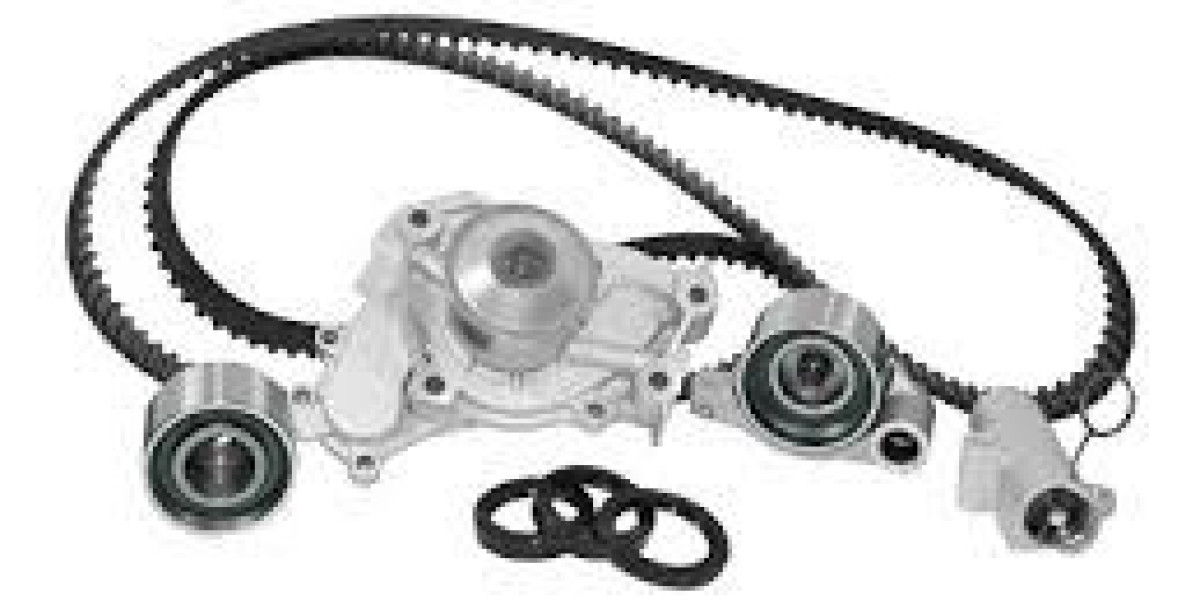
Modern timing belt kits typically include essential components such as the timing belt, tensioner, idler pulleys, and sometimes a water pump. Replacing these parts together ensures the entire timing system operates smoothly and reliably.
A complete kit also helps reduce the risk of premature failure caused by worn supporting components. If only the belt is replaced while other parts remain worn, the system may still fail earlier than expected.
How Regular Maintenance Prevents Engine Problems
Routine vehicle maintenance plays a vital role in extending engine life and maintaining optimal performance. Most manufacturers recommend replacing the timing belt between 60,000 and 100,000 miles, depending on the vehicle model.
Drivers who follow recommended service intervals can avoid sudden breakdowns and maintain consistent engine efficiency. Regular inspections can also help mechanics detect cracks, fraying, or belt wear before it becomes a major problem.
Preventative maintenance not only protects the engine but also improves fuel efficiency, reliability, and driving comfort.
Choosing the Right Timing Belt Kit
Selecting a high-quality timing belt kit is essential for long-term reliability. Quality kits are manufactured with durable materials designed to withstand high temperatures, friction, and continuous engine operation.
When choosing a kit, vehicle compatibility, material strength, and component quality should always be considered. Reliable timing belt kits ensure accurate engine synchronization and provide long-lasting performance under demanding driving conditions.
Drivers who invest in durable timing components can significantly reduce the risk of unexpected engine failure and costly repairs.
Final Thoughts
Engine power loss is a warning sign that should never be ignored. While several mechanical issues can cause this problem, a worn timing belt is often one of the most critical yet overlooked causes. Ensuring your timing system is properly maintained can protect your engine and improve overall vehicle performance.
By replacing worn timing belt kits on time, drivers can maintain smooth engine operation, prevent internal damage, and keep their vehicles running efficiently for years to come.