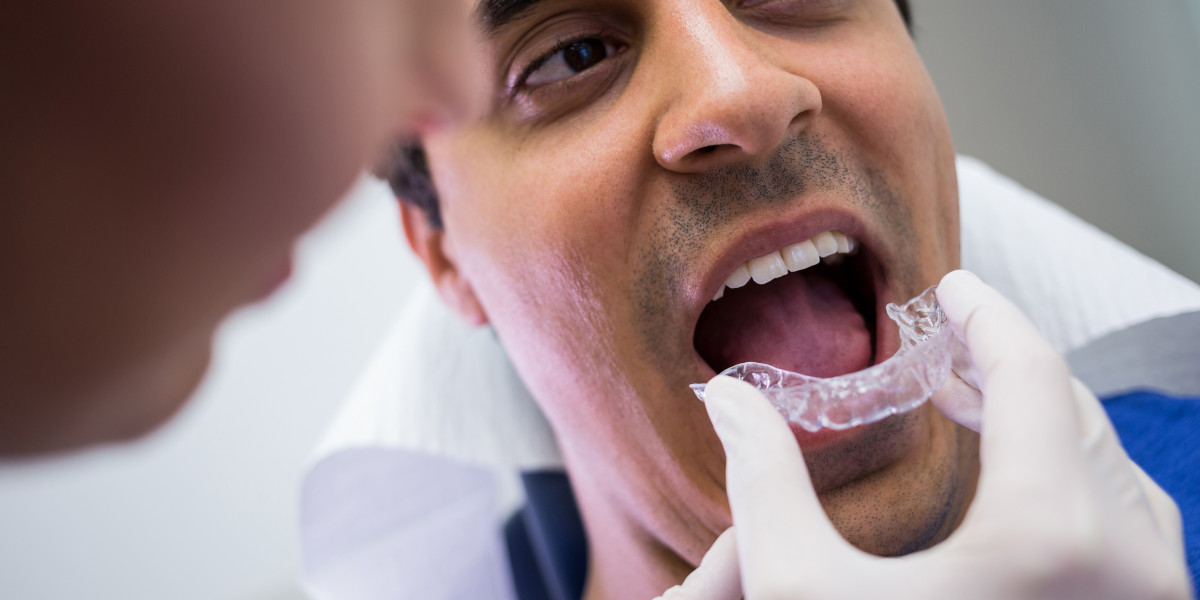

Teeth grinding, also known as bruxism, affects millions of adults and children worldwide. The consequences can be severe, including worn enamel, cracked teeth, jaw pain, and even headaches. While various treatments exist, a dental night guard remains the most effective way to protect your teeth during sleep.
Choosing the right night guard can be confusing, with options ranging from over-the-counter models to custom-made devices. This ultimate guide will help you understand the different types of dental night guards, how they work, and which one is best suited to your needs.
Why Choosing the Right Dental Night Guard Matters
A poorly fitted night guard can be uncomfortable, ineffective, and even harmful. Selecting the right dental night guard ensures proper protection for your teeth and jaw, relief from bruxism-related headaches and TMJ pain, comfortable wear for a full night’s sleep, and long-term durability and value. With the right guard, you can reduce teeth grinding, protect your oral health, and improve sleep quality.
Signs You May Need a Dental Night Guard
Before choosing a dental night guard, it’s important to identify if you truly need one. Common signs include worn or chipped teeth, morning jaw stiffness or soreness, frequent headaches or migraines, sleep disruptions due to grinding sounds, and increased tooth sensitivity. If you notice any of these symptoms, a dental night guard can prevent further damage and maintain oral health.
Types of Dental Night Guards
Selecting the right night guard starts with understanding the different types available.
Custom-Fitted Night Guards: Made by a dentist to precisely fit your teeth, providing maximum comfort and protection. Durable and long-lasting, ideal for severe grinders or those with TMJ disorders.
Boil-and-Bite Night Guards: Over-the-counter option molded at home using hot water. Affordable and widely available, providing moderate protection for mild to moderate bruxism. Less durable than custom guards.
Soft Night Guards: Made from flexible materials, comfortable for light teeth grinders, best for mild cases of bruxism, not suitable for severe clenching.
Hard Night Guards: Made from rigid acrylic, highly durable and suitable for heavy grinders. Effective for protecting teeth and correcting bite alignment, though less flexible and may take time to get used to.
Dual Laminate Night Guards: Combines a soft inner layer with a hard outer layer, providing both comfort and durability. Good option for moderate to severe bruxism.
Factors to Consider When Choosing a Dental Night Guard
Severity of Teeth Grinding: Mild grinders can opt for soft or boil-and-bite guards, while severe grinders benefit from custom or hard night guards.
Comfort: A night guard should feel comfortable throughout the night. Custom-fitted guards are designed for optimal comfort, whereas over-the-counter options may require adjustments.
Material: Soft materials are more comfortable but less durable. Hard materials offer maximum protection but can feel rigid initially. Dual laminate guards balance comfort and strength.
Budget: Custom guards are more expensive but offer long-term durability and better fit. Boil-and-bite guards are cheaper but may need frequent replacement.
Jaw Health and TMJ Issues: If you experience jaw pain or TMJ disorders, consult a dentist before choosing a night guard. Custom guards can be adjusted to reduce jaw strain.
How a Dental Night Guard Protects Your Teeth
Reduces Enamel Wear: By preventing teeth from grinding against each other, a dental night guard protects enamel and prevents chips and cracks.
Prevents Jaw Pain: Bruxism puts stress on the jaw muscles. A night guard helps distribute pressure and alleviates tension.
Improves Sleep Quality: Grinding can disrupt your sleep. Wearing a night guard ensures a more restful night.
Minimizes Headaches: Tension from clenching can cause frequent headaches. A dental night guard can reduce this strain.
Tips for Using Your Dental Night Guard Effectively
Get a professional assessment: Consult a dentist to determine the severity of your bruxism and choose the best type of guard.
Follow cleaning instructions: Rinse daily, brush gently with a soft toothbrush, and occasionally use a denture cleaner.
Store properly: Keep your night guard in a ventilated case to prevent bacterial growth and maintain its shape.
Monitor wear: Inspect your guard for cracks or thinning areas and replace it as needed.
Address underlying causes: Manage stress, avoid caffeine before bed, and practice relaxation techniques.
Custom vs. Over-the-Counter Night Guards
Custom Night Guards: Fitted by a dentist using impressions of your teeth. High comfort and long-lasting. Expensive but worth the investment for severe grinders.
Over-the-Counter Night Guards: Boil-and-bite or ready-made models. Affordable and convenient, suitable for mild bruxism. May not fit perfectly, causing discomfort or reduced effectiveness.
Common Misconceptions About Dental Night Guards
Misconception 1: Only severe grinders need a night guard.
Truth: Even mild grinders can benefit from prevention and protect their enamel.
Misconception 2: Night guards are uncomfortable.
Truth: Custom-fitted guards are designed for comfort and usually do not interfere with sleep.
Misconception 3: Over-the-counter guards are useless.
Truth: While less durable than custom options, they can still provide effective protection for light grinders.
FAQs About Choosing the Right Dental Night Guard
Q1: How do I know which type of dental night guard is best for me?
A: Consult your dentist to assess the severity of your bruxism and any jaw issues. Mild grinders may use over-the-counter options, while severe grinders benefit from custom-fitted guards.
Q2: Can a dental night guard help with TMJ pain?
A: Yes, by reducing jaw strain and clenching, a properly fitted night guard can alleviate TMJ discomfort.
Q3: How long will a night guard last?
A: Custom guards typically last 3–5 years with proper care, while over-the-counter options may need replacement every 6–12 months.
Q4: Can children use dental night guards?
A: Yes, pediatric night guards are available for children experiencing teeth grinding.
Q5: How do I clean my dental night guard?
A: Rinse with water after use, brush gently with a soft toothbrush, and occasionally use a denture cleaner. Avoid hot water, which may warp the material.
Conclusion
Choosing the right dental night guard is crucial for protecting your teeth, preventing jaw pain, and improving sleep quality. By understanding the different types, materials, and factors to consider, you can select a night guard tailored to your needs. Whether you opt for a custom-fitted or over-the-counter option, consistent use and proper maintenance will ensure long-term oral health benefits. Prioritize your smile and comfort by investing in the right dental night guard today.