
Packing for Kashmir tour packages is one of those things that looks simple until you realize how dramatically the climate changes between seasons, between elevations, and even between morning and afternoon in the same day. Getting your kashmir clothes choices right is genuinely practical because the wrong clothing can make what should be a magical experience quite uncomfortable, whether that's shivering through an early morning shikara ride in clothes meant for a beach vacation or sweating through layers you didn't need in mild April sunshine. This guide takes each season in turn and tells you exactly what to bring, what to skip, and how to dress in a way that works for both the weather and the cultural context of the places you'll be visiting.
What to wear during the warm and busy summer months
Summer in Kashmir, from May through August, is warmer than most first-time visitors expect given the mountain setting, but it is still nowhere near the heat of the Indian plains. Daytime temperatures in Srinagar typically range between 20 and 30 degrees Celsius, making light to medium-weight clothing the right starting point for your kashmir clothes selection for this season. Cotton and linen fabrics in breathable weaves are comfortable for walking around Srinagar's gardens and old city neighborhoods. That said, mornings and evenings are noticeably cooler, so always carry a light jacket or warm layer for the temperature drop. At higher altitude destinations like Gulmarg at 8700 feet and Sonamarg at approximately 8900 feet, temperatures are significantly cooler than in Srinagar even in July and August, and a proper fleece or light down jacket is essential for comfortable time outdoors. Pack for variability rather than a single temperature band.
How to dress comfortably for Kashmir's cool autumn season
Autumn, from September through November, is one of the most beautiful seasons in Kashmir and also one that requires the most thoughtful approach to kashmir clothes selection. September is still relatively mild, particularly in the lower valley around Srinagar, but temperatures drop progressively through October and November. October, when the famous chinar foliage is at its most spectacular, brings daytime highs of around 15 to 20 degrees Celsius in Srinagar with significantly cooler nights. Layering is the most effective strategy for autumn packing. A thermal base layer, a warm mid-layer in fleece or light wool, and a windproof outer jacket covers most combinations of temperature and activity during this period. Waterproof or water-resistant outer clothing is worth including since autumn can bring rain showers. By November, winter-weight clothing becomes necessary as temperatures approach freezing at night and stay cool through the day even in Srinagar.
What winter clothing is essential for snow and cold
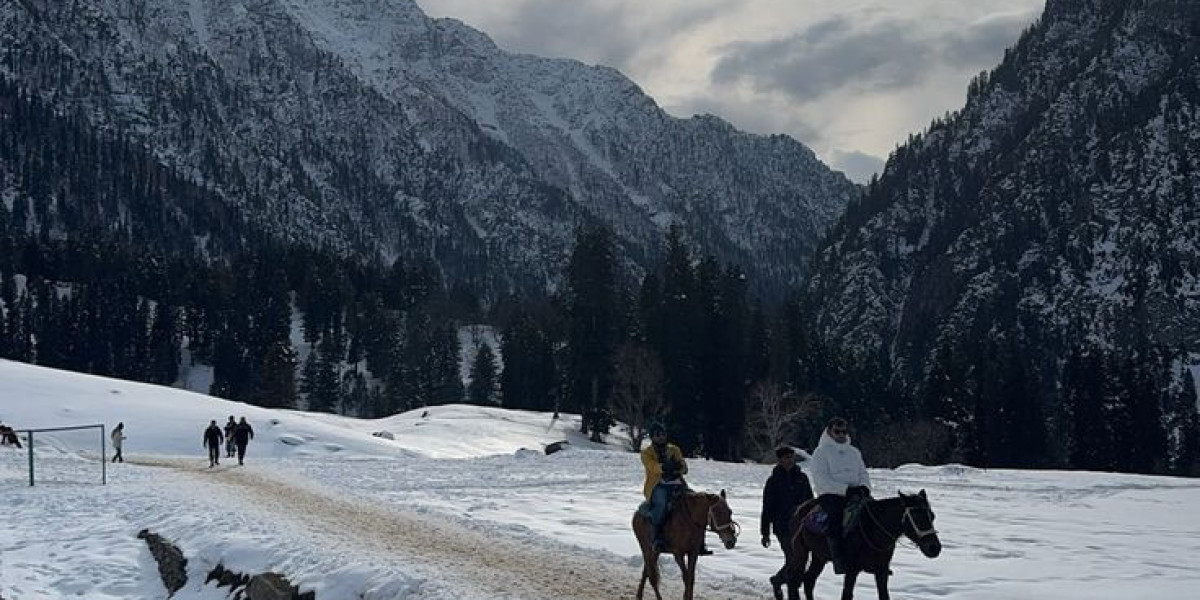
If you're visiting Kashmir in winter from December through February, especially if Gulmarg skiing is part of the plan, your kashmir clothes for this season need to be taken seriously. Temperatures in Srinagar during the famous chillai kalan period from late December through late January drop well below freezing at night and stay cold through the day. At Gulmarg's elevation, temperatures can reach minus 10 to minus 15 degrees Celsius or lower. For the Kashmir valley in winter, pack thermal base layers in moisture-wicking synthetic or merino wool fabric, a substantial insulating mid-layer in down or synthetic fill, and a waterproof outer shell jacket and pants. Warm gloves, a proper hat covering your ears, a neck gaiter or scarf, and waterproof winter boots are all non-negotiable. For skiing at Gulmarg specifically, full ski-appropriate clothing including waterproof ski pants, ski gloves, and goggles is required rather than just general winter cold-weather gear.
Why layering works better than single heavy garments here
The most consistent piece of advice from experienced Kashmir travelers about kashmir clothes is to build your wardrobe around layering rather than relying on a single heavy item. The temperature variation in a single day in Kashmir can easily span 15 to 20 degrees Celsius, from a cool morning shikara ride to a warm midday garden visit and back to a cold evening on the houseboat deck. Layers let you adjust precisely to these changes without carrying a separate outfit for each temperature band. A typical layering system for spring or autumn in Kashmir looks like this: a lightweight long-sleeve base layer against the skin, a fleece or light wool mid-layer for warmth, and a wind and waterproof outer shell that can be added and removed as conditions change. This three-layer system is infinitely more versatile and ultimately lighter and more packable than trying to solve every temperature scenario with bulky single garments.
What footwear makes sense for different terrain and weather
Footwear is one of the most important elements of your kashmir clothes planning and also one of the most commonly underestimated. The terrain in Kashmir spans paved urban streets, uneven old city lanes, paved pilgrimage routes, mountain meadow paths, glacier approaches, and ski slopes, all of which benefit from different footwear choices. For general Srinagar sightseeing, comfortable walking shoes with some grip are adequate. For Pahalgam valley walks, Gulmarg meadow exploration, and Sonamarg glacier approaches, proper trekking shoes or light hiking boots with waterproofing and ankle support are strongly recommended. For the Vaishno Devi trek, trekking shoes with good grip on paved but steeply inclined surfaces are essential. For winter visits to Gulmarg, waterproof winter boots with insulation are necessary for walking around the resort and are non-negotiable for time spent on snow. Ski boots can be rented at Gulmarg if skiing is planned.
How local Kashmiri dress traditions can inspire your wardrobe
One of the most rewarding aspects of researching kashmir clothes is discovering the valley's own extraordinary textile tradition and letting it inspire some of what you choose to bring or buy while you're there. The pheran, Kashmir's iconic long flowing cloak, is one of the most perfectly adapted cold-weather garments imaginable, designed specifically for the valley's winter climate and still worn daily by local people. Pashmina shawls, made from the fine wool of the Changthangi goat, are among the world's finest natural insulating textiles and are genuinely functional as well as beautiful. Buying a quality pashmina shawl in Srinagar and wearing it as a warm layer is both culturally connected and genuinely practical for the cool evenings and air-conditioned interiors you'll encounter. Kashmiri woolen socks and hand-embroidered kurti tops are also practical and meaningful purchases that serve you well during a valley trip.
What items most first-time visitors forget and regret missing
Beyond the obvious clothing items, experienced Kashmir travelers consistently mention a handful of kashmir clothes and accessory omissions that first-timers regret. Sunscreen rated SPF 50 or higher is consistently underestimated for a mountain destination where UV exposure is significantly higher than at sea level. Polarized sunglasses are important both for the intense mountain light and for the glare off snow at Gulmarg. A packable rain poncho folds small enough to fit in a daypack and is worth its weight when an unexpected shower hits during a Mughal garden visit. Moisture-wicking socks in merino wool are significantly more comfortable for multi-hour walks like the Vaishno Devi trek than cotton socks that hold moisture and cause blisters. A lightweight packable down vest that folds into its own pocket is one of the most versatile items you can add to a Kashmir packing list, providing a meaningful amount of warmth with virtually no bulk or weight in your bag.
https://www.travelosei.com/india/cultural/north/kashmir-tour-packages
Frequently Asked Questions
Is there a dress code to follow when visiting religious sites in Kashmir?
Yes. Modest dress covering shoulders and knees is required when visiting mosques, shrines, and temples throughout Jammu and Kashmir. Remove shoes before entering all religious sites.
Can I buy appropriate kashmir clothes in Srinagar if I underpack?
Yes. Srinagar's markets sell everything from warm woolen garments to rain ponchos and trekking accessories. However, quality and sizing can be inconsistent, so bringing the core essentials from home is more reliable.
What fabric works best for the Vaishno Devi trek clothing?
Moisture-wicking synthetic or merino wool base layers, a warm mid-layer, and a waterproof outer jacket work best. Avoid pure cotton base layers since they hold moisture and become cold quickly during sustained physical activity.
Should I pack formal clothing for Kashmir?
No. Kashmir is a casual destination and even better hotels and restaurants have no formal dress requirements. Smart casual is more than adequate for any dining or social situation you'll encounter.
Are there any colors or styles to avoid when packing for Kashmir?
Very bright or revealing clothing is best avoided out of cultural respect, particularly in the more traditional neighborhoods of Srinagar's old city and near religious sites. Earth tones and modest cuts are appropriate throughout the region.