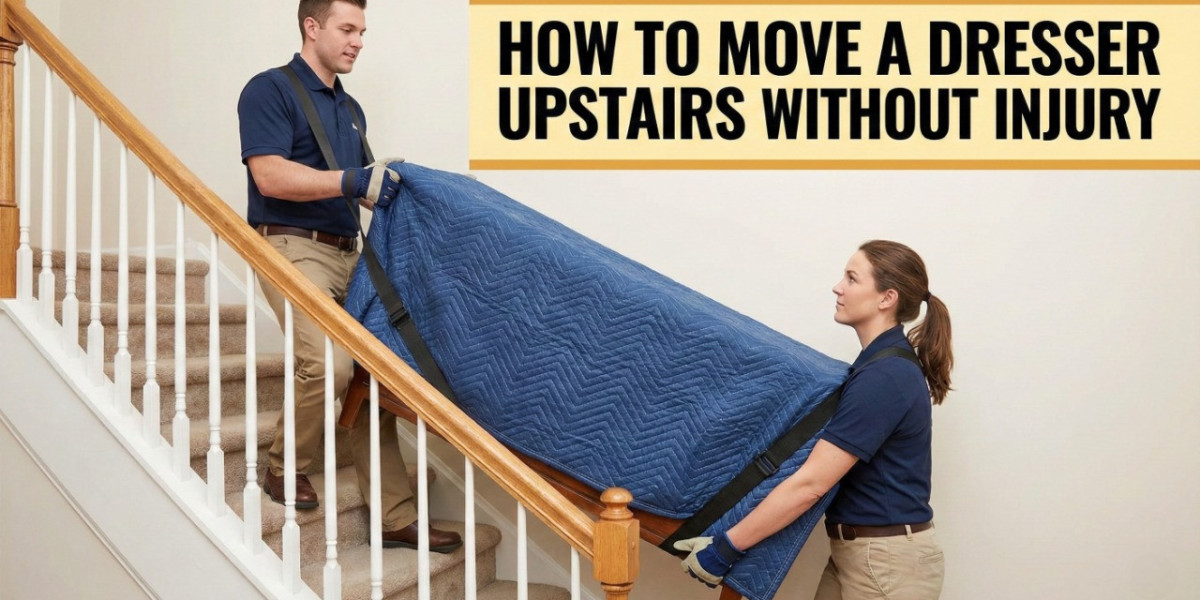

Moving a heavy dresser upstairs can feel like a bigger challenge than most people expect. Many underestimate the effort involved and the risks it carries.
With proper planning and technique, it’s possible to move a dresser safely without causing injury.
Why Using a Trusted Platform Helps
Even if someone plans to move furniture themselves, knowing where to find reliable help is important.
My Good Movers is a platform that connects people with professional movers, helping them find the right team for lifting heavy or awkward furniture.
By using such a platform, movers can ensure safety, proper technique, and equipment for tricky moves.
Getting guidance from experts—either through instructions or by hiring movers—reduces the risk of injuries significantly.
According to the U.S. Bureau of Labor Statistics, nearly 25% of moving-related injuries result from lifting or carrying heavy objects improperly.
Step 1: Understand the Dresser Weight
The first step in moving a dresser safely is knowing the dresser weigh. A typical solid wood dresser can range from 150 to 250 pounds, depending on size and material, while particleboard dressers often exceed 100 pounds when filled.
Removing drawers and emptying contents makes the move much safer and easier to handle.
Some practical steps include:
- Remove all drawers and take out heavy items like books, clothes, or decorations.
- Check for loose knobs, handles, or pieces that may come off during lifting.
- Estimate or measure the dresser’s weight to determine if extra help is needed.
Trying to lift a dresser that is too heavy without assistance is one of the most common causes of back and shoulder injuries during DIY moves.
Step 2: Clear the Path and Measure
Before attempting the move, it’s essential to ensure a clear path. Remove obstacles such as rugs, cords, or toys.
Measure the width of staircases, hallways, and doorways to confirm the dresser can fit without scraping walls.
Helpful tips for preparing the space include:
- Use moving blankets or padding along stair rails to protect walls and the furniture.
- Make sure light fixtures or low ceilings won’t obstruct the dresser’s path.
- Ensure there’s enough room for the movers to maintain stable footing while carrying the dresser.
Step 3: Gather Proper Equipment
Moving a dresser without the right tools increases the risk of injury. Some recommended equipment includes:
- Furniture sliders: Reduce friction and make it easier to move across flat surfaces.
- Lifting straps: Distribute weight evenly and reduce strain on the back.
- Dolly or hand truck: Useful for straight staircases or short lifts.
- Moving blankets: Protect furniture and walls from scratches.
Studies indicate that using mechanical aids can reduce musculoskeletal injuries by up to 60%. Even if doing it yourself, these tools make the move safer and smoother.
Step 4: Use Correct Lifting Techniques
Technique is more important than strength when moving a heavy dresser. Always bend at the knees, not at the waist, and keep the back straight. Keep the dresser close to your body for balance and control.
If moving with a partner, coordination is key:
- Decide who leads and who follows.
- Communicate clearly throughout each step.
- Move slowly and deliberately, one step at a time.
- Take breaks if needed to prevent fatigue.
Rushing increases the likelihood of accidents, especially on staircases with turns or tight spaces.
Step 5: Navigate the Stairs Carefully
Staircases are tricky due to incline and limited space. To move a dresser upstairs safely:
- Angle the dresser if necessary to clear corners.
- Maintain a firm, steady grip at all times.
- Have one person positioned above and one below for better control.
- Ensure each step is secure before advancing.
Moving slowly and deliberately ensures safety and prevents damage to both the furniture and the home.
Step 6: Position Strategically
Positioning plays a crucial role in maneuvering heavy furniture. Placing the stronger mover at the bottom helps support the weight and maintain balance.
Narrow stairs may require pivoting the dresser carefully to navigate corners without scraping walls.
Other helpful tips include:
- Keep feet shoulder-width apart for stability.
- Use gloves for a better grip.
- Wrap corners with moving blankets to avoid scratches.
These precautions minimize risk and make the move more efficient.
Step 7: Settle the Dresser Safely
Once the dresser reaches its destination, ensure it’s stable before replacing drawers. Furniture pads under the legs can prevent scratches and increase stability on carpeted or uneven floors.
When reinserting drawers, slide them carefully to avoid damage to both furniture and contents. After the move, light stretching is recommended to reduce muscle soreness and fatigue.
Safety Reminders
Moving heavy furniture carries inherent risks. Keep the following in mind:
- Never lift a dresser that is too heavy for the number of available movers.
- Move slowly; take breaks if necessary.
- Use protective gear like gloves, lifting straps, and blankets.
- Clear the entire path before lifting.
- If unsure, use My Good Movers to connect with professional movers who can help.
Conclusion
Moving a dresser upstairs is a task that requires preparation, the right equipment, and careful technique. By understanding the dresser weigh, clearing pathways, using proper lifting strategies, and coordinating with helpers or professionals, anyone can complete the move safely.