
Introduction
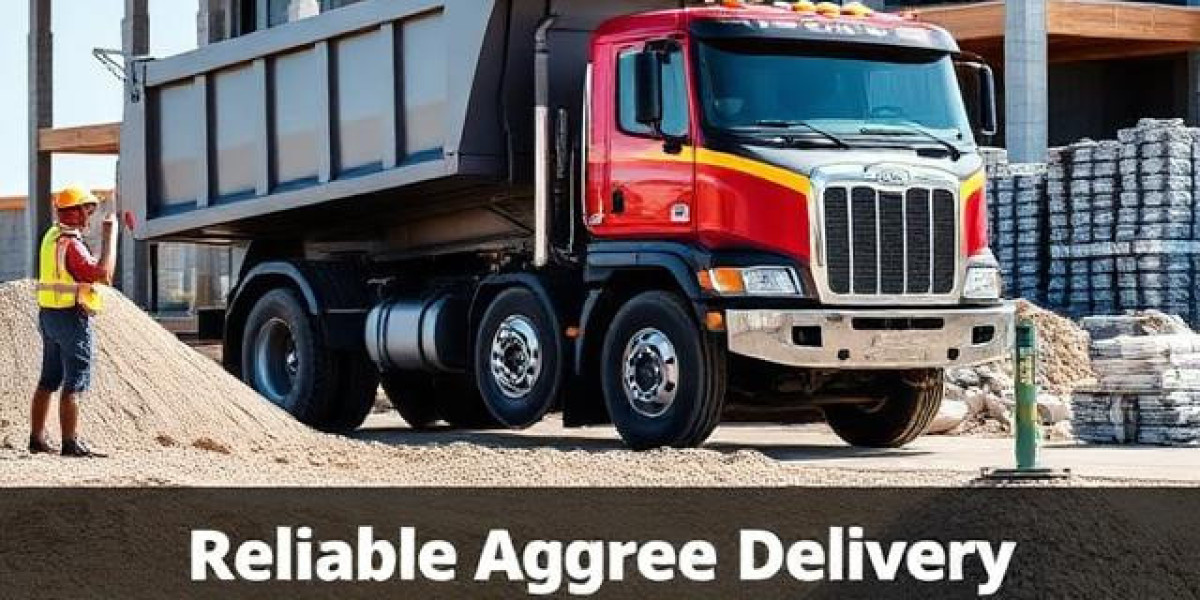
Aggregate hauling companies play a critical role in construction, infrastructure development, and large-scale land projects. From moving crushed stone and gravel to transporting sand and fill dirt, these companies ensure materials arrive on time, in the right quantity, and in compliance with safety and weight regulations.
For professionals and business owners, selecting the right hauling partner is not just about cost. Delays, improper equipment, or regulatory issues can stall an entire project. Understanding how aggregate hauling companies operate and what sets reliable providers apart—helps decision-makers reduce risk and maintain project momentum.
This guide explains how aggregate hauling companies work, the equipment they use, common use cases, and how to evaluate providers with confidence.
What Do Aggregate Hauling Companies Do?
Aggregate hauling companies specialize in transporting bulk construction materials from quarries, processing plants, or excavation sites to job locations. These materials are foundational to construction and earthwork projects.
Common materials hauled include:
Crushed stone and limestone
Sand and gravel
Recycled concrete and asphalt
Fill dirt and topsoil
Hauling companies coordinate logistics, vehicle scheduling, load management, and delivery timing to align with construction phases.
Why Aggregate Hauling Is a Specialized Service
Transporting aggregates is not the same as general freight hauling. These materials are heavy, abrasive, and often moved in high volumes under tight schedules.
Key challenges include:
Load weight compliance with state and federal limits
Site access constraints on undeveloped land
Weather-related delays
Coordination with excavation and grading crews
Professional aggregate hauling companies address these challenges through experienced drivers, well-maintained fleets, and precise scheduling.
Earth Cutting and Hauling Equipment Explained
Effective aggregate transport depends heavily on the right earth cutting and hauling equipment. The equipment used varies based on terrain, material type, and haul distance.
Common equipment includes:
Dump Trucks
Used for short to medium hauls. Ideal for gravel, crushed stone, and demolition debris.
Articulated Haulers
Designed for rough or uneven terrain. Often used on large earthmoving and land development projects.
Excavators and Loaders
Used to cut earth, load materials, and manage stockpiles before hauling begins.
Dozers and Scrapers
Support large-scale earth cutting operations by moving and preparing material for transport.
Common Use Cases for Aggregate Hauling Companies
Aggregate hauling services are used across multiple industries.
Typical projects include:
Commercial building foundations
Road and highway construction
Industrial site preparation
Utility trenching and backfilling
Land clearing and grading
For business owners, reliable hauling ensures crews are not waiting on materials, which directly impacts labor costs and project timelines.
Benefits of Hiring Professional Aggregate Hauling Companies
Working with experienced aggregate hauling companies offers several operational advantages:
Improved efficiency: Scheduled deliveries aligned with project phases
Reduced liability: Proper licensing, insurance, and compliance
Equipment flexibility: Access to specialized earth cutting and hauling equipment
Scalability: Ability to increase hauling volume as projects expand
Professional providers also understand local hauling regulations, helping clients avoid fines or shutdowns.
Regulations and Compliance Considerations
Aggregate hauling is subject to strict oversight. Regulations vary by state but often include:
Weight limits per axle and vehicle
Dust and material containment rules
Haul route restrictions
Environmental protection requirements
Reputable aggregate hauling companies stay current with regulatory changes and ensure all vehicles meet inspection standards.
Failing to follow these rules can result in penalties, delays, or forced unloading—costly issues for any project.
How to Evaluate Aggregate Hauling Companies
Before selecting a hauling partner, professionals should assess more than pricing.
Key evaluation factors include:
Fleet condition and capacity
Experience with similar projects
Knowledge of earth cutting and hauling equipment
Insurance coverage and safety record
Communication and dispatch reliability
Asking about contingency planning for weather delays or equipment breakdowns also provides insight into operational maturity.
Best Practices for Working With Hauling Providers
To get the best results from aggregate hauling companies:
Share accurate volume estimates upfront
Confirm site access and turnaround space
Coordinate delivery windows with onsite crews
Monitor load counts and delivery tickets
Clear communication minimizes downtime and ensures materials arrive exactly when needed.
FAQs Section
1: What materials do aggregate hauling companies transport?
Aggregate hauling companies transport materials such as gravel, crushed stone, sand, fill dirt, and recycled concrete. These materials are essential for foundations, roadbeds, drainage systems, and grading projects. Professional haulers ensure proper load containment and compliance with weight regulations.
2: How does earth cutting relate to aggregate hauling?
Earth cutting involves excavating and preparing material before transport. Earth cutting and hauling equipment like excavators, dozers, and loaders work together to extract material efficiently. Once prepared, aggregate hauling companies transport the material to its destination.
3: How do I choose the right aggregate hauling company?
Choose a company with experience in similar projects, a well-maintained fleet, proper licensing, and strong safety practices. Reliable scheduling, clear communication, and knowledge of local regulations are also critical for avoiding delays and compliance issues.
4: Are aggregate hauling services regulated?
Yes. Aggregate hauling companies must comply with weight limits, environmental regulations, and transport laws. Regulations may also govern haul routes and dust control. Experienced companies manage compliance to protect clients from fines or operational disruptions.
5: What types of trucks are used in aggregate hauling?
Dump trucks and articulated haulers are most common. Dump trucks handle standard site deliveries, while articulated haulers are used for rough terrain and large earthmoving projects. The right truck depends on distance, terrain, and material type.
6: Can aggregate hauling companies support large-scale projects?
Yes. Established aggregate hauling companies scale operations using multiple trucks, experienced dispatch teams, and coordinated earth cutting and hauling equipment. This allows them to support commercial, industrial, and infrastructure projects efficiently.
7: How far can aggregate materials be hauled?
Haul distances vary based on project needs and cost considerations. Short hauls are common for local construction, while longer hauls may be necessary when specialized aggregates are sourced from distant quarries.