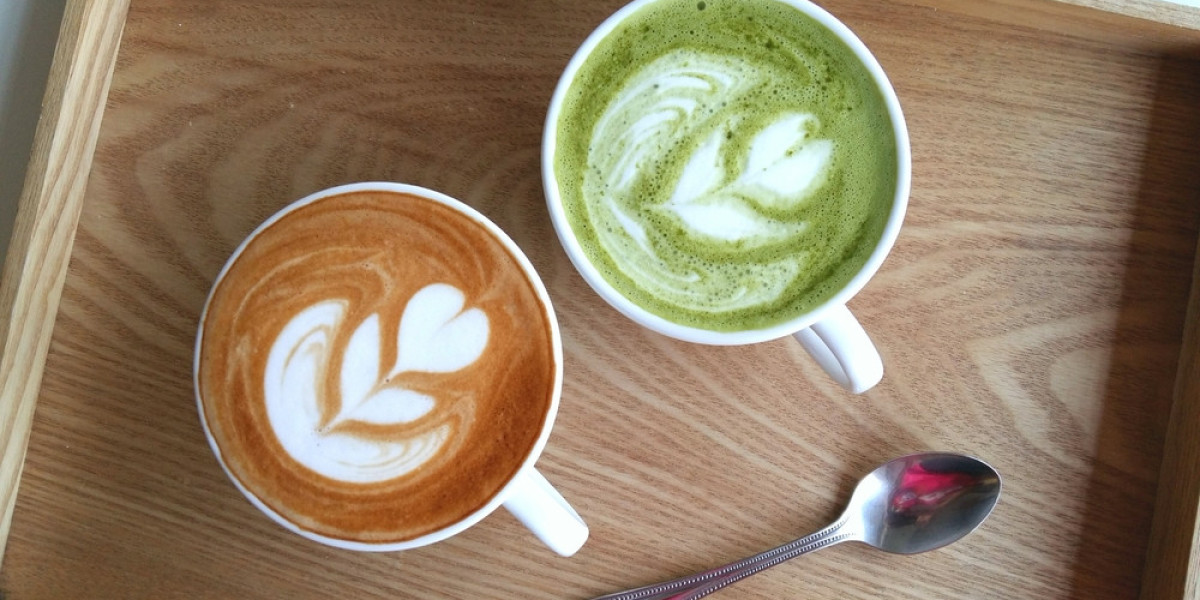

Staying focused isn’t just about willpower; it often comes down to what you drink. If you’ve ever felt wired one minute and drained the next, your daily cup might be the reason. So, when it comes to matcha or coffee for better focus, the short answer is this: matcha usually supports steady concentration, while coffee gives a faster but shorter boost.
In this blog, we’ll break down how each drink affects your brain, how long the focus lasts, and which one fits your routine better. By the end, you’ll know exactly what to reach for when you need to get things done.
What Happens in Your Brain After That First Sip?
When you take that first sip, your brain doesn’t just “wake up.” It reacts in very different ways depending on what’s in your cup.
How Coffee Affects Focus Quickly
Coffee works fast. Within minutes, caffeine enters your bloodstream and blocks adenosine, the chemical that makes you feel tired. As a result, you feel alert, awake, and ready to go.
However, that quick boost can feel a bit intense. You might notice:
A sudden spike in energy
Faster thinking and reaction time
Occasional jitters or restlessness
In some cases, it feels less like focus and more like your brain is racing ahead of you.
How Matcha Works More Gradually
Matcha, on the other hand, takes a calmer route. It still contains caffeine, but it also has L-theanine, an amino acid that slows down how caffeine is absorbed.
Because of that, you get:
A smoother rise in energy
A more relaxed, steady state of alertness
Less tension or overstimulation
It’s not as dramatic as coffee, but it often feels more controlled. And that difference becomes even clearer when we look at how long the focus actually lasts.
Steady Focus vs Quick Boost: Which One Wins?
Now here’s where things get interesting. It’s not just about how fast you feel the effects; it’s about how long they stick around.
The “Spike and Crash” Effect of Coffee
Coffee gives you that instant push, which can be great in the moment. However, that energy often drops just as quickly as it rises.
You might notice:
A strong burst of focus early on
A dip in energy after a few hours
The urge to grab another cup
This cycle can turn into a loop. You drink coffee to stay focused, but then you need more to maintain it.
Matcha’s Balanced Energy Curve
Matcha plays the long game. Instead of peaking early, it keeps your energy more stable throughout the day.
That means:
Focus builds gradually
It lasts longer without sharp drops
You feel more consistent overall
Here’s a quick comparison:
Speed of effect: Coffee is faster
Duration: Matcha lasts longer
Stability: Matcha feels smoother
So, while coffee wins in speed, matcha often wins in staying power. But focus isn’t just about energy; it’s also about how clearly you can think.
Does It Help You Think Clearly or Just Stay Awake?
There’s a big difference between being awake and being focused. And honestly, not all energy feels the same.
Coffee and Mental Sharpness
Coffee can sharpen your attention, especially when you’re tired. It helps you react quickly and stay alert during short tasks.
However, too much can backfire. You might feel:
Distracted or scattered
Slightly anxious
Overstimulated instead of focused
It’s helpful, but sometimes a bit unpredictable.
Matcha and Calm Concentration
Matcha offers a different experience. Thanks to L-theanine, your mind stays calm while still being alert.
This often leads to:
Better concentration for longer tasks
A relaxed but focused state
Fewer mental distractions
If you’re studying, writing, or doing deep work, this can make a real difference. Still, your routine matters just as much as the drink itself.
Which One Fits Your Daily Routine Better?
Not every day looks the same. Some mornings are rushed, while others require hours of steady attention.
When Coffee Makes More Sense
Coffee works best when you need a quick push. For example:
Early mornings when you feel groggy