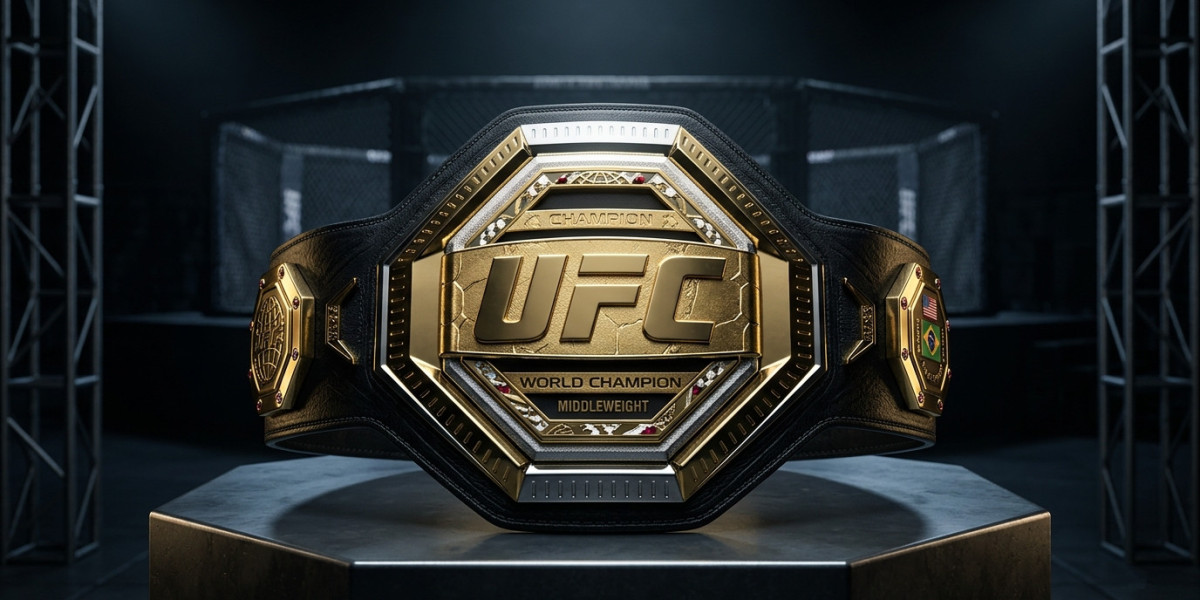

For any athlete stepping into the Octagon, the ultimate goal is not just victory in a single bout, but the attainment of the highest honor in mixed martial arts: the UFC championship belt. This piece of leather and gold represents far more than a physical prize; it is a symbol of years of sacrifice, technical mastery, and the unyielding spirit required to stand at the top of the world’s most competitive fighting organization.
In this article, we explore the history, evolution, and profound significance of the UFC belt, understanding why it remains the most coveted object in combat sports.
From Modest Beginnings to Global Icon
When the Ultimate Fighting Championship held its inaugural event in 1993, the concept of a championship belt did not exist. The early days were focused on a grand experiment: pitting different martial arts disciplines against one another to determine which was truly the most effective. Winners were awarded medals and trophies, reflecting the tournament-style nature of those early competitions.
It wasn't until the promotion matured and sought to solidify its structure that the championship belt was introduced. The first divisional world champion was crowned at UFC 12 in 1997, where Mark "The Hammer" Coleman captured the heavyweight title. That moment marked a turning point, signaling that the sport was transitioning from a spectacle to a disciplined, professional hierarchy.
Over the decades, the design of the belt has shifted to mirror the UFC’s own growth. Early designs were simple, reminiscent of traditional wrestling titles, but as the sport gained mainstream legitimacy and was purchased by Zuffa in 2001, the emphasis on the belt as a prestigious, high-value asset increased.
The Evolution of Design: The Legacy Era
The modern UFC belt is a far cry from the versions seen in the late 90s or early 2000s. In 2019, the organization unveiled the "Legacy" belt, a design specifically engineered to commemorate the history of the sport while incorporating modern, personalized features.
Key Features of the Legacy Design:
Customization: Unlike the "one-size-fits-all" belts of the past, today’s championship titles are custom-crafted. Each belt includes the name of the champion and their specific weight class, often featuring a flag icon that represents the fighter's home country.
- Symbolism in Stones: The plates are adorned with stones that carry historical weight. For example, the center plate features 25 stones, representing the years from the UFC’s inception in 1993 to the belt's release.
- Defense Tracking: One of the most unique aspects of the current design is how it tracks a champion's reign. With every successful title defense, a gemstone is added to the belt, providing a tangible record of a fighter’s dominance over their division.
- Security and Authenticity: Each belt includes a unique serial number and an engraving of the UFC president’s signature on the back, ensuring that it remains an authentic, verifiable piece of sports history.
These changes were not merely aesthetic; they were designed to create a deeper emotional connection between the fans, the fighters, and the history of the sport.
Why the UFC Belt Matters
Why do fighters dedicate their entire lives to chasing this gold-plated prize? The answer lies in what the belt represents beyond the physical object.
The Peak of Human Potential
Holding a UFC title means a fighter has navigated through a division filled with the most elite athletes in the world. It is a validation of their training, their mental fortitude, and their ability to perform under the highest possible pressure. A champion is not just the best in their gym or their region; they are the gold standard for that weight class globally.
Financial and Career Advancement
The impact of winning a title extends into a fighter’s economic future. Beyond the base pay and bonuses, a champion becomes the face of the promotion. This status opens doors to endorsements, pay-per-view points, and a level of mainstream recognition that is otherwise impossible to achieve. The belt is the key that unlocks the next tier of a professional combat sports career.
Cementing a Legacy
In a sport where careers can be short and brutal, the belt is a permanent mark of excellence. Legendary champions like Anderson Silva, Georges St-Pierre, and Jon Jones are defined by their lengthy title reigns. When a fighter is introduced in the Octagon, the mention of "undisputed champion" is the highest accolade they can receive. The belt transforms a fighter from a contender into an icon, ensuring they are remembered long after they hang up their gloves.
Understanding Belt Variants
Not all belts serve the same purpose. To truly understand the landscape of UFC titles, one must distinguish between the different types of hardware awarded:
Undisputed Championship Belt: This is the primary prize, awarded to the official king or queen of the weight class. It signifies that the holder has beaten the best in the division and is the singular, recognized authority in that class.
- Interim Championship Belt: These are introduced when an undisputed champion is unable to defend their title for an extended period due to injury or other external factors. The interim belt keeps the division active and competitive until a unification bout can take place.
- Special Commemorative Belts: On rare occasions, such as for the "BMF" (Baddest Motherf***er) title, the UFC creates special designs for unique, fan-favorite contests. While these do not carry the same ranking prestige as a divisional belt, they are celebrated for their cultural impact on the sport.
The Craftsmanship Behind the Gold
A common question among fans is: Is the UFC belt made of real gold? The answer is nuanced. While the belts are not solid gold—which would make them prohibitively heavy and susceptible to damage—they are masterpieces of modern craftsmanship. They are constructed from high-grade materials, including stainless steel, brass, and synthetic leather, and are treated with professional-grade gold plating.
This construction is deliberate. The belts are designed to be carried, worn during celebrations, and handled frequently without losing their luster. The artisans who craft these belts ensure that every detail, from the laser-engraved lettering to the precisely set stones, reflects the prestige of the UFC brand.Conclusion: More Than Just Metal
The UFC belt is the centerpiece of the MMA world. It is the destination of every journey in the sport, the reward for every grueling training camp, and the validation of every sacrifice. Whether you are a casual viewer or a die-hard follower of the sport, understanding the history and the weight of the UFC belt enhances the experience of watching title fights.
It is a symbol that binds the past legends of the Octagon to the future stars of tomorrow. As long as there is competition, there will be a drive to wear the gold, ensuring that the legacy of the UFC championship belt continues to grow with every passing year.