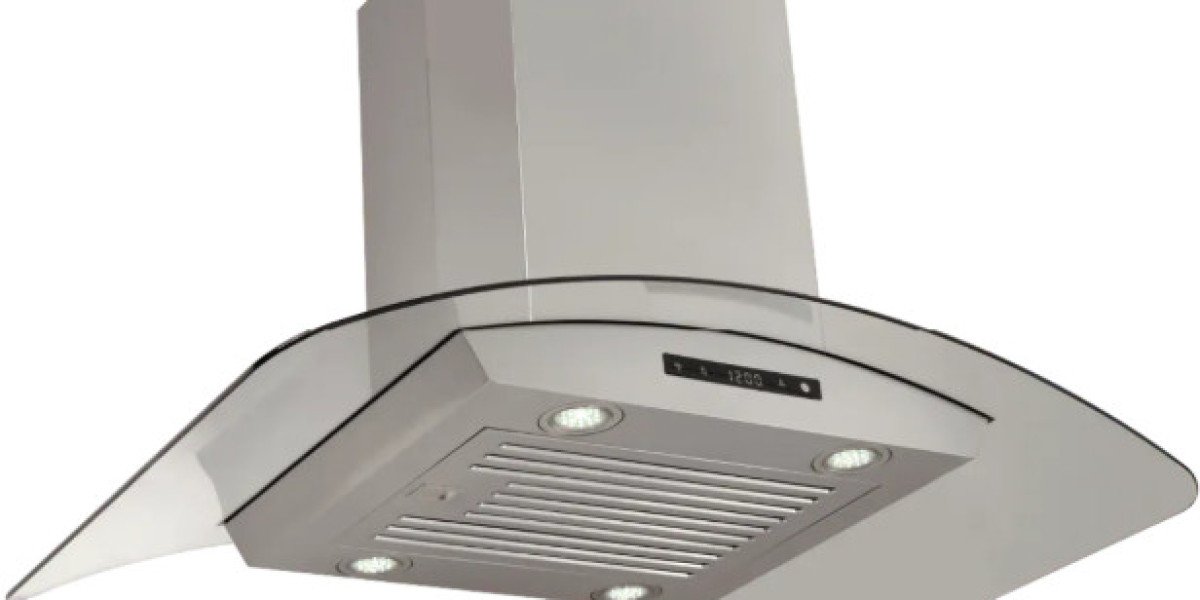

A well-functioning kitchen ventilation system is essential for maintaining clean air and a healthy cooking environment. Over time, grease, smoke, and debris can build up inside your unit, reducing its efficiency. Proper care of your wall-mount range hood vent ensures optimal performance, longer lifespan, and better air quality in your kitchen.
Clean the Filters Regularly
Filters play a crucial role in trapping grease and airborne particles. In a wall-mount range hood vent, filters can quickly accumulate buildup, especially with frequent cooking. It is recommended to clean them every two to four weeks. Most metal filters are dishwasher-safe, making maintenance simple. Regular cleaning prevents blockages and maintains strong airflow.
Wipe Down Exterior Surfaces
Grease and dust can settle on the outer surface of your wall-mount range hood vent. Cleaning the exterior weekly with a mild detergent or a specialized cleaner helps maintain its appearance and prevents sticky buildup. For stainless steel models, using a non-abrasive cleaner ensures the finish remains polished and free from scratches.
Inspect and Clean the Fan Blades
The fan is responsible for pulling air through the system, and dirty blades can reduce its efficiency. Over time, grease can accumulate on the blades, causing the fan to work harder and produce more noise. Carefully inspecting and cleaning the fan every few months will help maintain proper airflow and extend the life of your wall-mount range hood vent.
Check and Maintain the Ductwork
For ducted systems, the ductwork is just as important as the hood itself. Grease and debris can collect inside the ducts, restricting airflow. Inspecting the ducts periodically and ensuring there are no blockages or leaks will keep your wall-mount range hood vent operating efficiently. Professional cleaning may be required for heavily used systems.
Replace Charcoal Filters When Needed
If your wall-mount range hood vent is ductless, it likely uses charcoal filters to remove odors. These filters cannot be cleaned and must be replaced regularly, usually every three to six months, depending on usage. Timely replacement ensures effective odor control and maintains indoor air quality.
Monitor Noise Levels
An increase in noise can indicate a problem with your wall-mount range hood vent. It may be caused by loose components, clogged filters, or motor issues. Addressing unusual sounds early can prevent more serious damage and costly repairs. Regular maintenance helps keep the unit running quietly and efficiently.
Check Electrical Components
Ensuring that all electrical components are functioning properly is essential for safety and performance. Periodically check the lights, switches, and wiring of your wall-mount range hood vent. If you notice flickering lights or inconsistent operation, it may be time to consult a professional technician.
Maintain Proper Ventilation Habits
Good usage habits also contribute to the longevity of your wall mount range hood vent. Always turn on the hood before you start cooking and let it run for a few minutes after you finish. This helps clear any remaining smoke or odors and reduces the amount of grease buildup inside the unit.
Schedule Professional Maintenance
While regular cleaning can handle most maintenance tasks, scheduling professional servicing once a year is a smart choice. Experts can thoroughly inspect and clean internal components that are not easily accessible. This ensures your wall mount range hood vent continues to perform at its best over time.
Conclusion
Proper maintenance of your wall-mount range hood vent is essential for ensuring efficiency, durability, and clean kitchen air. At Proline Range Hoods, we focus on delivering reliable ventilation solutions and recommend consistent care to keep your system performing at its best. By regularly cleaning filters, checking components, and following good usage practices, you can extend the life of your unit and maintain its performance. Investing time in maintenance not only saves money on repairs but also improves your cooking environment.