
Hair loss can begin in small patches or appear suddenly across the body, leaving patients confused and concerned about what is happening. One of the most severe forms of hair loss is alopecia universalis, a condition that requires careful evaluation and medical expertise for accurate diagnosis. Many people first ask a critical question: is alopecia universalis genetic? While genetics can play a role, diagnosis involves much more than family history alone.
Alopecia universalis is an autoimmune condition where the immune system attacks hair follicles, leading to complete loss of scalp and body hair. Because several other conditions can mimic similar patterns of hair loss, proper diagnosis is essential for treatment planning and long-term management.
Understanding Alopecia Universalis
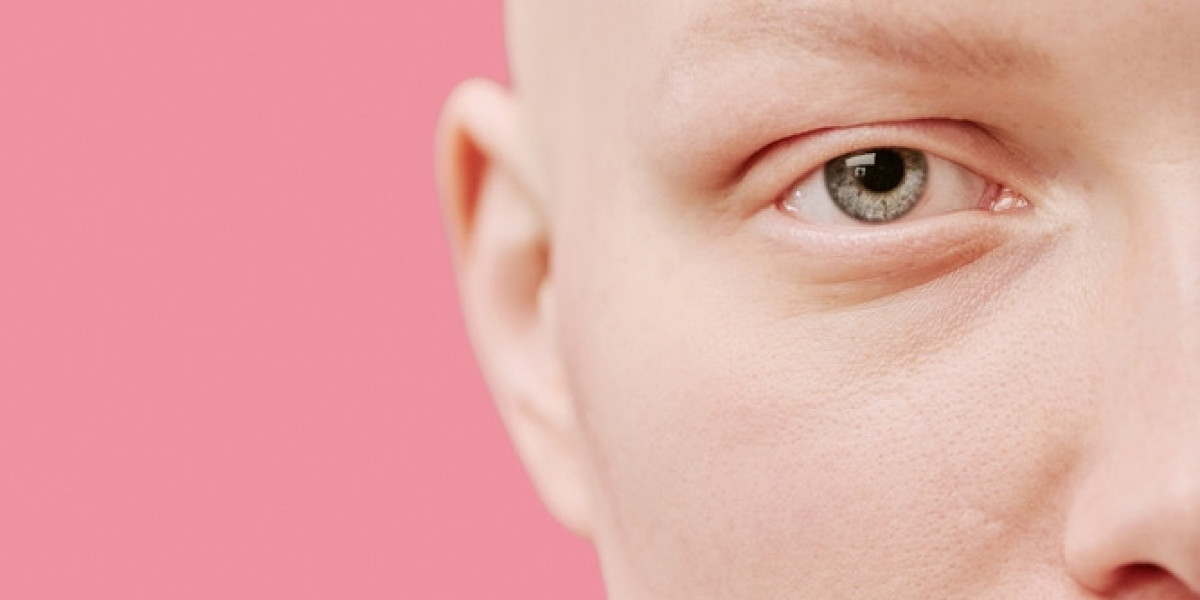
Alopecia universalis is the most advanced stage of alopecia areata. It involves total hair loss from all hair bearing areas of the body.
Areas Affected
Scalp hair
Eyebrows
Eyelashes
Beard area
Body hair, including arms, legs, and chest
The condition can develop suddenly or evolve from patchy hair loss over time.
Why Diagnosis Matters
Accurate diagnosis is important because several conditions can cause hair loss, but not all require the same treatment approach.
Key Reasons for Proper Diagnosis
Rule out other medical conditions
Identify underlying autoimmune activity
Guide treatment decisions
Monitor disease progression
Early diagnosis can also help manage emotional stress and prepare patients for potential outcomes.
Clinical Evaluation: The First Step
The diagnosis of alopecia universalis begins with a detailed clinical examination by a dermatologist.
What Doctors Look For
Complete or near-complete hair loss on the scalp and body
Smooth, non-scarring skin
Absence of inflammation or scaling
Pattern of hair loss progression
Doctors often rely heavily on visual examination, as the condition has a distinctive appearance.
Medical History Assessment
A thorough medical history is a key part of diagnosis.
Important Questions Asked
When did hair loss begin
Was it sudden or gradual
Any previous patchy hair loss episodes
Family history of autoimmune diseases
Recent stress or illness
This helps doctors understand possible triggers and disease progression.
Physical Examination
A detailed physical exam provides important diagnostic clues.
Key Observations
Condition of scalp skin
Presence of “exclamation mark” hairs
Nail changes such as ridging or pitting
Extent of body hair loss
Nail abnormalities are often associated with more severe forms of alopecia.
Role of Dermatoscopy
Dermatoscopy is a non-invasive tool used to examine the scalp and hair follicles closely.
What It Reveals
Hair follicle miniaturization
Broken hair shafts
Yellow dots indicate follicle changes
Reduced hair density
This tool helps confirm patterns consistent with alopecia universalis.
Blood Tests in Diagnosis
Blood tests help rule out other conditions and identify associated autoimmune disorders.
Common Tests Include
Thyroid function tests
Vitamin and mineral levels
Autoimmune markers