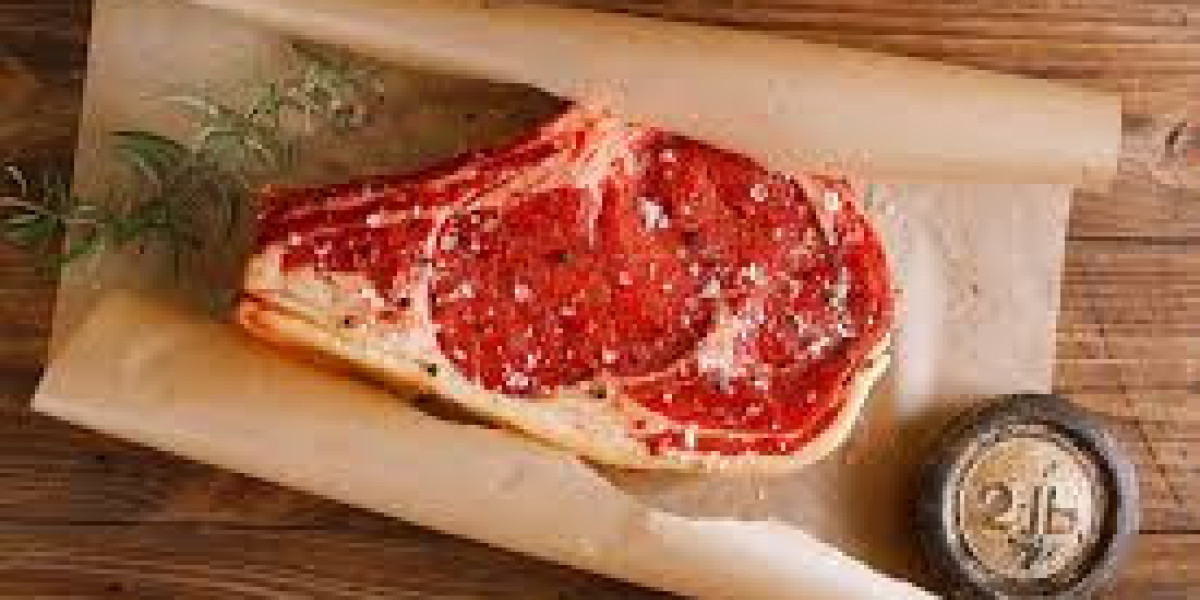

Meat is more than just food; it tells a story about quality and care. When small businesses serve meat creatively, it shapes how customers see their brand. For example, neatly arranged cuts or unique presentation styles make food more appealing. People tend to associate visually pleasing meat with freshness and quality. Studies show that diners are more likely to return to places where the meat looks attractive and well-prepared. This isn’t just about appearance; it’s about building trust. Customers feel confident when they see attention to detail.
Why Does Portioning Affect Meat Appeal?
Portioning serves as a strong way to improve how meat looks. Customers judge value by size and consistency in many situations. Proper portioning ensures each cut looks planned and clean, giving confidence to buyers. Portioning also makes meat easier to cook, reducing complaints and ensuring satisfaction. Standardizing thickness of cuts allows even cooking and better visual appearance on plate. Small businesses that ignore portioning risk disappointing customers or creating the impression of carelessness. Portioning also affects perception of food balance. Balanced portions give customers feeling they receive enough. Portioning also helps in pricing, keeping cost and profit consistent over time.
How Do Color and Freshness Influence Customer Choice?
Color is among the first aspects people notice in meat. Red cuts and white fat suggest freshness. Customers connect visual cues with taste and safety. Dull or uneven colors can give the impression of poor quality or old meat. Businesses can store meat at the correct temperature to maintain color and feel. Arranging cuts so vibrant sides face customers improves visual impact. Freshness goes beyond looks, involving smell and firmness, but the first view strongly affects perception. Gentle handling, like careful placement, communicates attention and care. Many businesses miss these steps, losing the chance to build trust and confidence. Combining color with proper placement ensures meat appears correct and inviting.
Why Does Temperature Matter in Serving Meat?
Temperature affects visual quality and taste of meat. Meat served too cold looks dull, too warm and soft. Proper serving temperature keeps color, texture and moisture intact. Cuts resting before serving release juices and hold shape for better appearance. Many businesses focus only on taste, but temperature influences perception strongly. Correct temperature handling communicates attention and care. Proper temperature also ensures safety and maintains freshness. Customers notice when meat is served at the correct temperature, creating a feel of trust. Simple steps like allowing resting or using trays improve outcome.
How Does Pairing Meat With Accompaniments Enhance Presentation?
Pairing meat with sides and herbs improves perception. Small additions like vegetables, sauces or sprinkles draw attention to meat. Pairing shows thought and care in service. Customers often perceive food as better when portions are combined thoughtfully. Even minimal touches enhance visual appeal and presentation. Pairing communicates a story about flavors, preparation and intended experience. Creative side items distinguish businesses from competitors. Thoughtful combinations make food memorable and encourage sharing. Presentation with accompaniments increases trust and loyalty.
Why Do Customer Experiences Influence Brand Loyalty?
Customer experiences shape perception of the brand strongly. Serving meat with attention to detail creates lasting impressions. Elements like portioning, layout and pairing affect satisfaction and memory. Small businesses offering consistent positive experiences build trust and encourage repeat visits. First-time buyers are more likely to return when service and presentation show care.
Experiences also influence social media sharing when customers post photos or comments. Wax Papers Hub provides businesses with access to materials that support creative presentation, helping maintain consistent quality. Businesses focusing on experience gain advantage over competitors. Positive experiences combine careful handling, preparation and thoughtful presentation.
How Can Storytelling Through Meat Serving Increase Interest?
Each serving has the potential to tell a story. Meat can show origin, preparation or handling methods. Adding context about farm, source or cutting process gives meaning and engages customers. Storytelling makes food more interesting and memorable. Businesses can share stories on menus or explain while serving. Presentation itself communicates story through arrangement and effort, showing care. Customers value food when connection is created. Storytelling separates businesses from competitors in a crowded market. Combining arrangement with source information strengthens link to customer. Storytelling through serving transforms ordinary meat into an experience remembered after a food, encouraging repeat visits and customer loyalty.
What Are Some Seasonal Presentation Tips for Meat?
Seasonal presentation includes using seasonal sides, colors or ingredients to enhance appeal. Autumn vegetables or fresh produce improve visual effect and communicate attention. Seasonal elements show businesses adjust offerings and focus on freshness and relevance. Customers enjoy food that reflects time or season. Rotating side items, garnishes, or preparation approaches adds interest and variety. Seasonal presentation creates anticipation and excitement for food. Small businesses leveraging seasonal changes differentiate from competitors. Seasonal adjustments make dining experience more engaging and encourage sharing, boosting trust and creating lasting impressions in customer memory.
How Do Simple Enhancements Make Meat Look Premium?
Small enhancements make meat appear higher quality. Brushing glaze, adjusting slice angles or adding garnish improves visual appeal without complexity. Simple steps show effort and attention to care. Customers perceive food as higher quality when presentation is managed carefully. Many small businesses miss these opportunities, leaving potential lost. Even minimal improvements leave strong impressions and can justify pricing. Enhancements communicate freshness, handling and preparation. Doing simple enhancements consistently builds reputation and shows focus on quality and customer satisfaction. Minor adjustments make meat more appealing and memorable, supporting return visits and long-term brand perception.
Why Should Small Businesses Consider Unique Wrapping Ideas?
Wrapping meat shows care and attention during service or takeaway. Using items like Butcher Christmas wrapping paper adds finishing touch and communicates hygiene. Wrapping shows cleanliness and concern for customer experience. Small businesses using wrapping stand out and create memorable experiences. Neat folding or careful coverage enhances perception. Wrapping also supports brand identity and builds trust and loyalty. Thoughtful wrapping complements serving and increases overall impression of quality. Customers notice these details, strengthening relationships with brands.
How Can Businesses Use Custom Materials to Improve Presentation?
Materials protect meat and communicate attention to quality. Branding materials support identity and signal investment in customer experience. Using items like custom kraft paper for wrapping or layering improves presentation and conveys care. Presentation beyond plate shows focus on detail and care. Patterns or textures improve visual effect and attract attention. Customers notice these elements and link them with reliability and trust. Startups using custom materials differentiate from competitors and increase likelihood of repeat business. Combining practical protection with visual appeal strengthens reputation and reinforces brand.