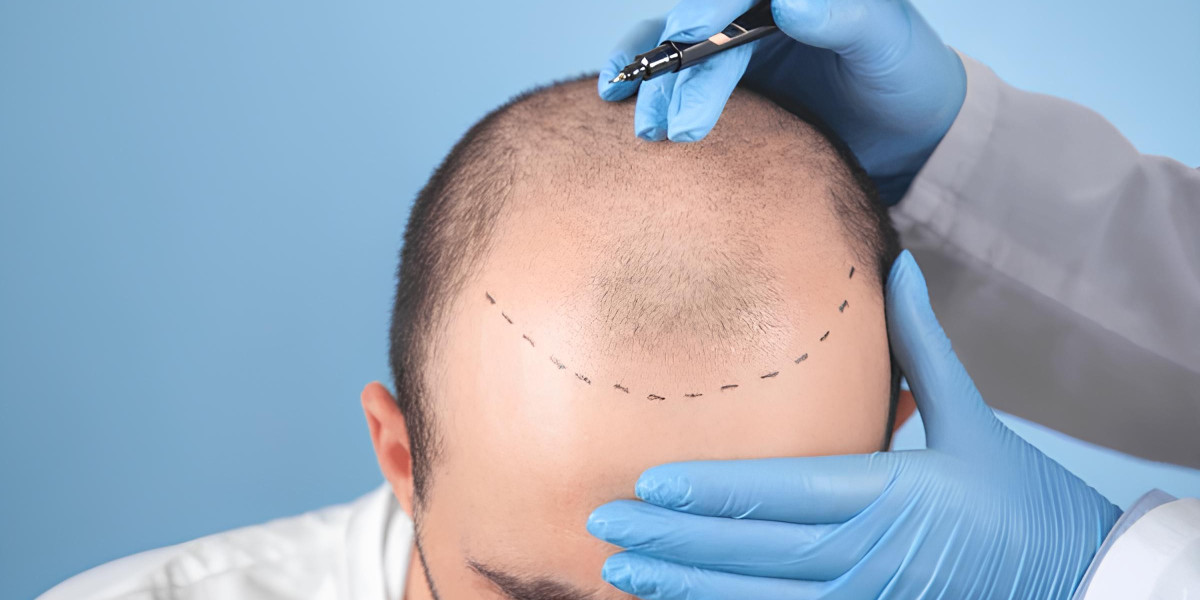

The first three months after Hair Transplant Surgery are often more unpredictable than most patients expect, not because something is going wrong, but because the scalp is going through multiple biological phases that are not always visible or well explained beforehand. While clinics usually focus on the procedure itself and final results, the early recovery stage is where most confusion happens. During this 90-day window, transplanted follicles are adjusting, shedding, resting, and slowly re-entering the growth cycle. Understanding this timeline helps prevent unnecessary anxiety and sets realistic expectations about what is normal and what is not.
The First Week Is About Healing, Not Hair Growth:
The first week after surgery is primarily focused on scalp recovery rather than visible hair results. At this stage, the grafts are securely placed, but the scalp is still sensitive and healing from micro-incisions. Patients often underestimate how important this phase is for long-term success. Key experiences during this period include:
- Mild swelling around forehead and eyes
- Small scabs forming around transplanted follicles
- Tightness or slight discomfort in donor and recipient areas
- Strict sleeping position requirements to protect grafts
This stage is less about aesthetics and more about ensuring graft survival. The follicles are still fragile, and proper aftercare plays a critical role in protecting the newly implanted roots.
Weeks 2 to 4: The Shedding Phase Nobody Warns You About:
One of the most misunderstood stages occurs in the second to fourth week when transplanted hair begins to shed. Many patients panic at this point, thinking the procedure has failed, but this is actually a normal biological response called “shock loss.” The follicles remain intact beneath the skin even though visible hair falls out. Key points during this phase include:
- Transplanted hair shafts fall out temporarily
- Scabs fully disappear by around 10–14 days
- Scalp looks similar to pre-surgery condition
- Follicles enter a resting (telogen) phase
This shedding phase is essential because it allows follicles to reset and prepare for new, stronger growth. It is one of the least discussed but most important parts of recovery.
Weeks 5 to 8: The “Invisible Growth” Stage:
Between the fifth and eighth week, the scalp often appears unchanged externally, leading many patients to assume nothing is happening. In reality, significant activity is occurring beneath the surface. Hair follicles are transitioning from resting to active growth phases, but the new hairs are still too fine to notice. During this stage:
- No visible hair growth is typically observed
- Follicles begin reactivating internally
- Scalp may feel normal but look unchanged
- Patience becomes mentally challenging for many patients
This is often called the “silent phase,” where progress is happening biologically but not cosmetically visible, which can make it psychologically difficult for some individuals.
Weeks 9 to 12: Early Signs of Real Growth:
The final stretch of the 90-day period is when early signs of new growth begin to appear. Small, thin hairs start emerging from the transplanted follicles, although they are often uneven in density and texture at first. This phase marks the beginning of visible transformation. Key developments include:
- Fine, soft hair starts to appear in transplanted areas
- Density is still low but gradually increasing
- Hair texture may look thin or uneven initially
- Growth patterns begin to establish direction
This is when patients start seeing the first real indication that the procedure is working, even though final results are still far away.
Emotional Ups and Downs During the First 90 Days:
What many people are not prepared for is the emotional aspect of recovery. The first three months often involve fluctuating confidence levels because visible results lag behind expectations. Even though the procedure is medically successful, the appearance may not reflect progress immediately. Common emotional experiences include:
- Anxiety during the shedding phase
- Doubt when no visible growth appears
- Excitement when early hairs begin to show
- Frustration with slow progress
This emotional cycle is completely normal and expected. Understanding the timeline helps reduce unnecessary stress and prevents patients from misinterpreting natural healing phases as complications.
Care Habits That Influence Early Results:
The success of early recovery is heavily influenced by post-operative care. While genetics and surgical skill are important, daily habits during the first 90 days play a major role in follicle survival and growth quality. Recommended practices include:
- Avoiding scratching or rubbing the scalp
- Following prescribed washing instructions carefully
- Protecting scalp from direct sunlight exposure
- Avoiding heavy exercise during early recovery weeks
- Maintaining a nutrient-rich diet for healing support
These habits ensure that transplanted follicles remain stable and have the best chance of transitioning smoothly into the growth phase.
Why Results Look Uneven at First:
One of the biggest surprises for patients is that early growth rarely looks uniform. Some areas may show faster growth while others appear slower, which is completely normal. Hair follicles do not grow in perfect synchronization. Factors influencing uneven growth include:
- Different follicle growth cycles
- Variation in blood supply to different scalp areas
- Natural differences in graft healing speed
- Temporary shock loss patterns
This uneven appearance gradually evens out over time as more follicles enter the active growth phase.
When Real Results Actually Begin:
Although early signs of growth appear within 90 days, meaningful cosmetic improvement usually becomes visible after this period. The first three months are only the foundation phase of a much longer transformation process. Patients typically begin seeing noticeable improvement after the 4–6 month mark, with full results developing over 9–12 months. This timeline reinforces the importance of patience and realistic expectations following Hair Transplant Surgery.
Final Thoughts:
The first 90 days after a hair transplant are often the most misunderstood part of the entire journey because they involve internal healing, temporary shedding, and delayed visible growth. While the scalp may appear unchanged for weeks at a time, significant biological processes are constantly taking place beneath the surface. Understanding these stages helps reduce anxiety and prevents misinterpretation of normal recovery signs as failure. With proper care, patience, and awareness of the timeline, patients can navigate this period confidently and prepare for the more visible improvements that follow in the months ahead.