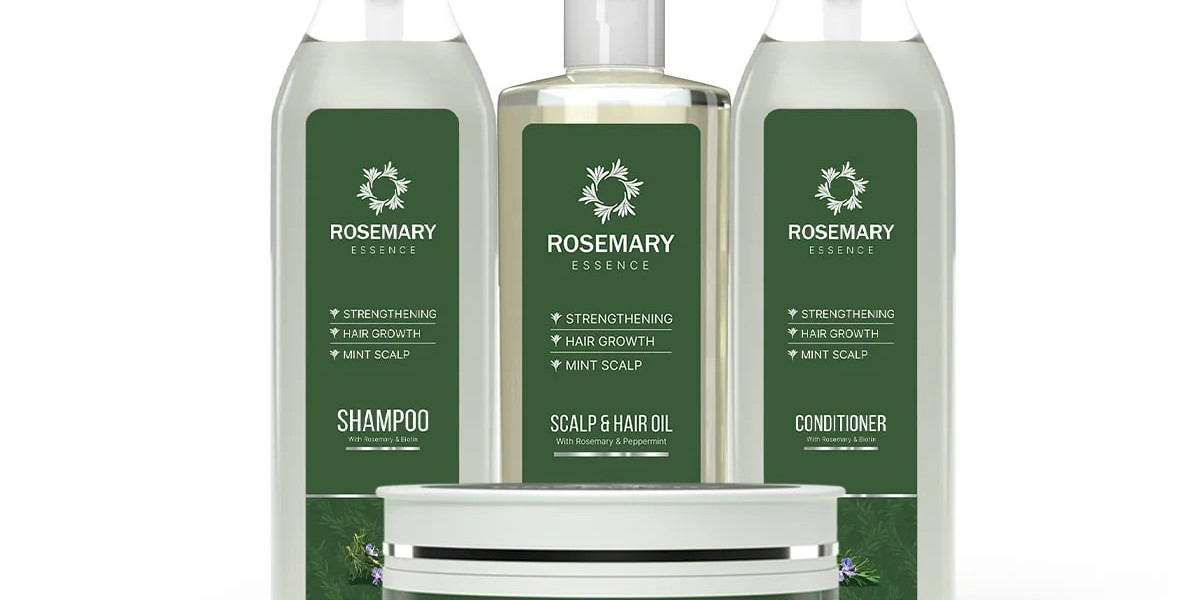

Hair loss and thinning hair are common concerns for both men and women. From stress and pollution to genetics and poor diet, many factors can weaken hair over time. As people search for natural remedies, rosemary oil has become one of the most talked-about solutions for healthier and thicker hair. Social media platforms, beauty influencers, and hair care experts often praise it for encouraging hair growth naturally.
But does rosemary oil really work, or is it just another rosemary oil price in pakistan beauty trend? Research suggests there may be real benefits behind the hype. Studies show rosemary oil may improve scalp circulation, support healthier hair follicles, and reduce hair thinning when used consistently.
In this article, you will learn everything about rosemary oil for hair growth, including how it works, its benefits, the best ways to use it, possible side effects, and tips for getting the best results.
What Is Rosemary Oil?
Rosemary oil is an essential oil extracted from the rosemary plant, scientifically known as Rosmarinus officinalis. The herb has been used for centuries in cooking, herbal medicine, and beauty treatments. The oil contains powerful compounds with antioxidant, anti-inflammatory, and antimicrobial properties.
These natural compounds are believed to help improve scalp health and stimulate hair follicles, making rosemary oil popular in modern hair care routines.
Why Hair Growth Matters
Healthy hair growth is often connected to overall scalp health. When hair follicles receive proper nutrients and blood circulation, they become stronger and more active. However, several issues can interfere with the growth cycle, including:
- Hormonal imbalances
- Stress and anxiety
- Poor nutrition
- Excessive heat styling
- Harsh chemical products
- Genetics
- Scalp infections
When follicles weaken, hair may become thinner, break more easily, or stop growing properly. Rosemary oil is believed to support healthier follicles naturally.
How Rosemary Oil Helps Hair Growth
Improves Blood Circulation
One of the biggest reasons rosemary oil is linked to hair growth is its ability to improve blood circulation in the scalp. Better circulation helps hair follicles receive oxygen and nutrients more effectively.
Healthy blood flow may help reduce follicle damage and support stronger hair growth over time.
Supports Hair Follicles
Hair follicles are tiny structures in the scalp responsible for growing hair strands. Rosemary oil contains compounds that may protect follicles from inflammation and damage. Some experts believe it may even help revive weakened follicles.
Reduces Scalp Inflammation
Inflammation can weaken the scalp environment and contribute to hair loss. Rosemary oil’s anti-inflammatory properties may help calm irritation and create healthier conditions for hair growth.
May Help Reduce DHT
DHT (dihydrotestosterone) is a hormone associated with pattern hair loss in many people. Some research suggests rosemary oil may help reduce the effects of DHT on hair follicles.
This is one reason it is often compared to treatments like minoxidil.
What Research Says About Rosemary Oil
A well-known 2015 study compared rosemary oil with 2% minoxidil, a common hair growth treatment. After six months, both groups experienced similar improvements in hair count. Interestingly, the rosemary oil group reported less scalp itching.
However, experts also point out that more research is still needed. Some online discussions and dermatologists believe the evidence is promising but not yet strong enough to call rosemary oil a guaranteed hair loss solution.
The truth likely lies somewhere in the middle. Rosemary oil may support healthier hair growth for some people, especially when hair thinning is mild or related to scalp health.
Benefits of Rosemary Oil for Hair
1. Encourages Thicker Hair
Many users report that their hair feels fuller and healthier after consistent use of rosemary oil.
2. Helps Reduce Hair Fall
Regular scalp massage with rosemary oil may reduce breakage and shedding.
3. Improves Scalp Health
Its antimicrobial properties may help reduce dandruff and irritation.
4. Adds Shine
Rosemary oil may help smooth the hair cuticle, making hair appear shinier and healthier.
5. Natural Alternative
Many people prefer rosemary oil because it is a plant-based remedy with fewer reported side effects than some chemical treatments.
Best Ways to Use Rosemary Oil for Hair Growth
Scalp Massage
One of the most effective methods is mixing rosemary oil with a carrier oil and massaging it into the scalp.
Popular carrier oils include:
- Coconut oil
- Jojoba oil
- Castor oil
- Argan oil
How to use:
- Mix 4–5 drops of rosemary oil with one tablespoon of carrier oil.
- Massage gently into the scalp for 5 minutes.
- Leave it on for at least 30 minutes before washing.
This method may improve circulation and relax scalp tension.
Add It to Shampoo
Another simple method is adding rosemary oil to your shampoo or conditioner.
Use about 5 drops per ounce of product.
This makes it easy to include rosemary oil in your regular routine.
Rosemary Water Rinse
Rosemary water has become popular as a lightweight hair treatment.
How to make it:
- Boil fresh rosemary leaves in water.
- Let the mixture cool.
- Strain and pour into a spray bottle.
- Spray onto the scalp daily.
Many people use rosemary water between wash days for refreshing the scalp.
Overnight Oil Treatment
For deep nourishment, some people leave diluted rosemary oil on overnight.
Use a small amount to avoid greasy buildup and wash thoroughly the next morning.
How Long Does It Take to See Results?
Hair growth is slow, so patience is important. Most studies and experts suggest consistent use for at least 3 to 6 months before noticeable changes appear.
Results vary depending on:
- Genetics
- Hair loss cause
- Scalp condition
- Consistency of use
Some people notice reduced shedding within a few weeks, while visible regrowth may take longer.
Possible Side Effects
Although rosemary oil is natural, it can still cause irritation if used incorrectly.
Possible side effects include:
- Itchy scalp
- Redness
- Burning sensation
- Dryness
- Allergic reactions
Experts recommend always diluting rosemary essential oil before applying it directly to the skin.
People who are pregnant, breastfeeding, or have sensitive skin should consult a healthcare professional before using essential oils.
Common Mistakes to Avoid
Using Too Much Oil
More oil does not mean faster hair growth. Overuse may irritate the scalp.
Expecting Instant Results
Hair growth takes time. Consistency matters more than quick fixes.
Applying Undiluted Oil
Pure rosemary essential oil is very concentrated and should not be used directly on the scalp.
Ignoring Overall Hair Health
Healthy hair growth also depends on:
- Proper nutrition
- Good sleep
- Stress management
- Gentle hair care
Rosemary Oil vs Minoxidil
Many people compare rosemary oil to minoxidil because of the famous study that showed similar results. However, there are key differences.
| Feature | Rosemary Oil | Minoxidil |
|---|---|---|
| Type | Natural remedy | Medical treatment |
| Side Effects | Usually mild | Can include irritation and shedding |
| Cost | Affordable | Often more expensive |
| Results | Slower and varies | Clinically proven |
| Scalp Feel | Less itching reported | May cause dryness |
While rosemary oil may help support hair growth naturally, people with severe hair loss may still need professional medical treatment.
Real User Experiences
Online communities have mixed opinions about rosemary oil. Some users claim they noticed baby hairs and reduced shedding after regular use. Others say they experienced irritation or minimal changes.
This variation is common because hair loss causes differ from person to person.
Tips for Better Hair Growth Naturally
Rosemary oil works best when combined with healthy habits:
- Eat protein-rich foods
- Stay hydrated
- Reduce stress
- Avoid excessive heat styling
- Use gentle shampoos
- Massage your scalp regularly
- Get enough vitamins and minerals
Healthy hair starts from within.
Final Thoughts
Rosemary oil has earned its reputation as one of the most popular natural remedies for hair growth. Scientific studies and user experiences suggest it may help improve scalp health, reduce hair thinning, and support healthier follicles when used consistently.
Although it may not work for everyone, rosemary oil remains a promising natural option for people looking to improve their hair care routine without relying entirely on chemical treatments.