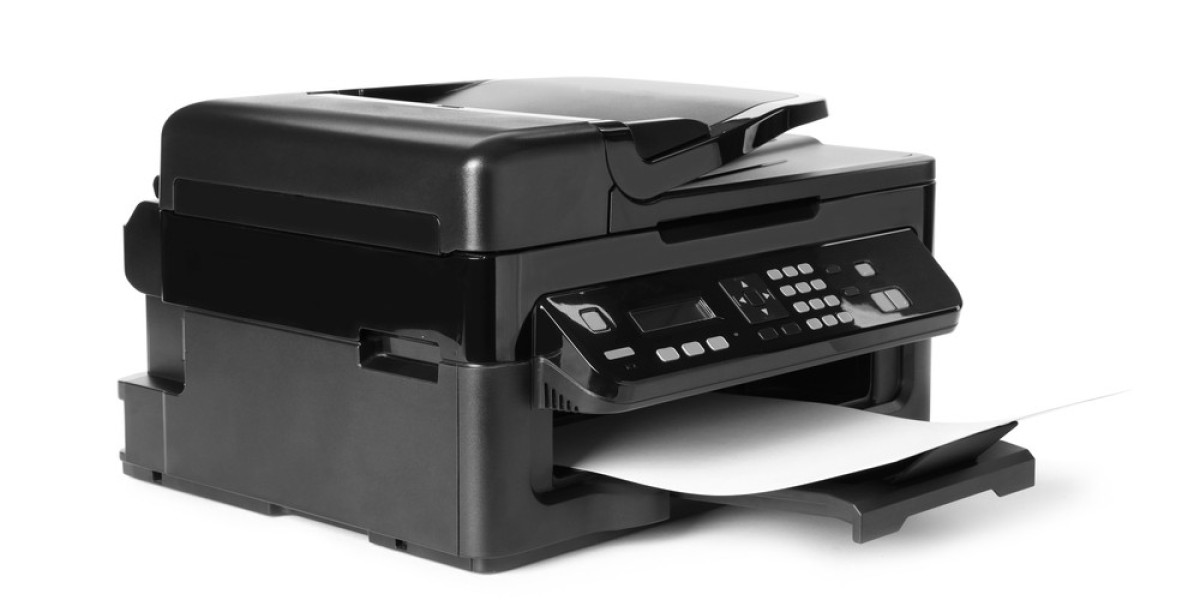

Laser vs inkjet printer choice can make all the difference between efficient and chaotic office printing environments. Because of slow and inefficient printing, businesses lose hundreds of productive hours annually. Many offices struggle with poor print quality, delayed reports, and unexpected maintenance issues.
Not choosing the printer according to your printing needs will cost you both time and money. The consequences become more serious when you have to handle high-volume printing and important documents.
What is a Laser Printer?
A laser printer is a high-speed output device that uses laser technology and toner powder to create sharp and consistent prints. This is ideal for the professional environments that handle a large volume of heavy documents. These printers are particularly known for their professional output, crispness, and relatively low cost per page.
What is an Inkjet Printer?
An inkjet printer has precise nozzles that spray printing inks directly onto the paper, creating detailed and vibrant prints. These excel at small-volume printing, color-rich graphics, and photo production. Because of the affordable upfronts, these are accessible for small offices and startups.
How Laser and Inkjet Printers Differ
Each printer has its unique features, which make it ideal for different printing needs. Some businesses prefer speed and volume, while others prioritize versatility and color accuracy more. Let’s discuss the factors that differentiate these printer types.
Print Speed
With respect to speed, laser printers outperform the inkjet printers. Offices that need to print hundreds of pages every day should go with laser printers. Laser technology reduces the wait times between the prints and ensures faster page-per-minute output. Laser printers give offices the competitive edge when they have to handle large volumes of documents reliably and quickly.
On the other hand, inkjet printers are slow due to the liquid ink drying process. These are enough for occasional printing.
Print Quality and Resolution
Inkjet printers produce vibrant and rich colors and fine details, particularly for marketing material and images. This technology benefits promotional material and color-heavy presentations.
Conversely, laser printers produce clean text and crisp, professional documents. This makes it ideal for official correspondence, reports, and contracts. Laser printing will remain more advantageous for offices that emphasize speed and sharp text.
Cost and Efficiency Comparison
A cost comparison would further make your choice between these printers easy. Laser printers have long-lasting toner cartridges, which reduces the cost per page. However, the initial upfront cost may seem higher. In high-volume printing, modern laser printers typically consume less energy per page.
Inkjet printers, although cheaper initially, require regular ink replacements. It raises the long-term expenses. By evaluating these factors against your office printing requirements, you can balance the operating cost and performance.
Paper Handling and Versatility
Inkjet printers are suitable for creative projects, as they offer greater flexibility in paper types. They accept glossy paper sheets and specialty materials easily. If you have diverse printing needs, then you should go for the inkjet printers.
This is not the case with laser printers. These are only optimized for standard office paper and are efficient in handling large print batches. Paper capacity, duplex printing, and media size vary among the printer models. Laser printers would benefit routine document production.
Maintenance and Reliability
Laser printers have long-lasting toners and fewer moving parts, because of which they require less maintenance. These features make these printers ideal for heavy office use. Offices that prioritize low-maintenance operations often buy laser printers.
Inkjet printers require regular cartridge replacement, nozzle cleaning, and careful handling to prevent clogging or drying. These are acceptable for the offices that have manageable print volumes. During maintenance, the downtime affects productivity. That’s why understanding each printer becomes crucial.
How to Choose the Printer That Fits Your Office Needs
When it comes to choosing the right printers, you need to evaluate your budget, desired output quality, and the everyday printing requirements of your office. Making an informed choice ensures your office is an asset and not a liability. Let’s discuss how you can find the right printers that meet your criteria:
Match Printer Choice with Business Needs
First of all, you have to assess “what your offices most frequently print”. Matching the printer with actual needs prevents overspending on the features you don’t even need. When printer capabilities are aligned with your real-world tasks, it reduces downtime and increases productivity.
Do not ignore the departmental requirements when choosing the printer. Some teams would require faster and high-volume output, while others need color fidelity for presentations. Laser printing suits high-volume and quality printing. If you are looking for one for color- and image-rich tasks, choose to buy or rent the inkjet printer.
Evaluate Long-Term Costs and ROI
The initial upfront cost isn’t everything. Consider ongoing costs such as maintenance, energy consumption, and toner or ink cartridges. Laser printers deliver a low cost per page, but despite lower upfront costs, inkjet printers incur high operational costs.
Calculating ROI involves balancing speed, quality, and total cost over the printer’s lifespan. It also ensures you purchase the printer that is not only operational but also financially stable.
Assess Print Quality, Speed, and Versatility
Understand how important the print quality, versatility, and speed are for your printing needs. Offices that print marketing material and produce presentations tend to prioritize print quality. On the other hand, low operational costs and high printing frequency are the priorities of high-volume offices.
Those who print on different media types and paper sizes prefer versatility. Understanding these factors ensures you choose the printer that aligns with both your current and future printing needs. The one that delivers consistent performance across tasks.
Improve Your Office Productivity and Output
Choosing between an inkjet and a laser printer can transform your office operations. A machine that is a perfect match ensures crisp documents, supports varied printing tasks, and reduces delays. When your staff has a suitable printer, their efficiency immediately increases, and frustrations are reduced. Such an environment shows professionalism.
Visit our website if you are interested in getting more information or looking to buy or rent out a printer.