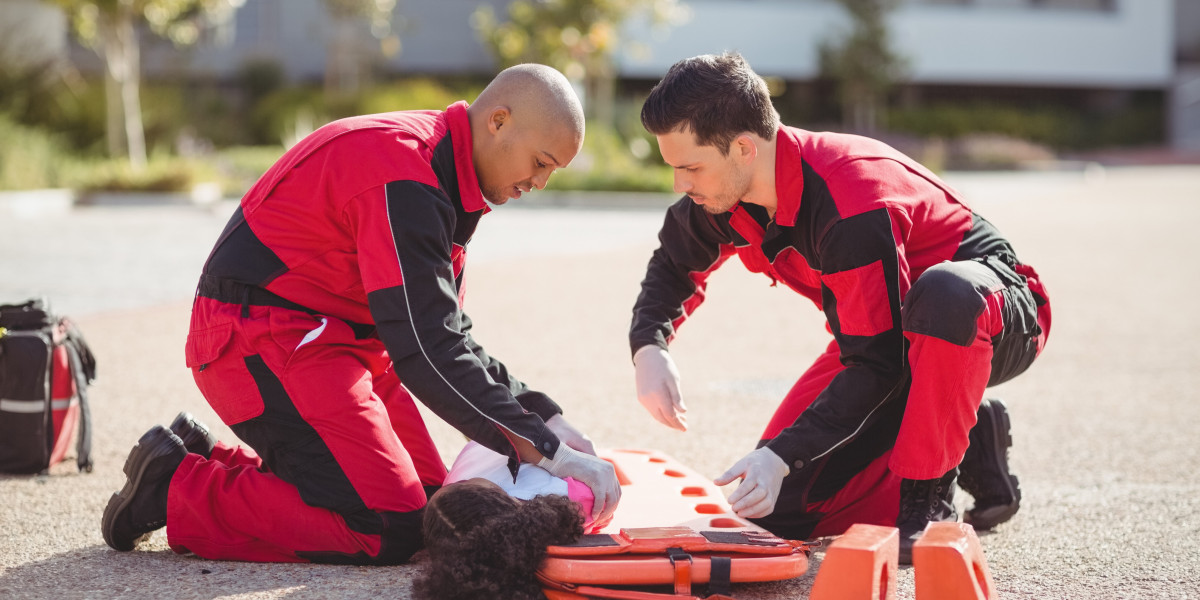

Every year, thousands of Australians experience sudden cardiac arrest, and many of these emergencies occur in public places, including schools and sporting facilities. In these critical moments, immediate action can mean the difference between life and death. Equipping students with cardiopulmonary resuscitation (CPR) skills empowers them to respond confidently and effectively during emergencies, creating safer school environments and stronger communities.
As awareness around health and safety continues to grow, CPR education is no longer seen as an optional extra. Instead, it is increasingly recognised as a fundamental life skill that every young Australian should learn before leaving school.
Understanding CPR and Its Life-Saving Impact
CPR is a first aid technique used when a person’s breathing or heartbeat has stopped. By maintaining blood flow to the brain and vital organs, CPR significantly increases the chance of survival until professional medical help arrives.
Research consistently shows that early CPR intervention can double or even triple survival rates following cardiac arrest. When students are trained from a young age, they not only gain practical skills but also develop the confidence to act quickly under pressure—something that can be invaluable in real-life situations.
The Role of Schools in Building Safer Communities
Schools play a crucial role in shaping responsible, capable individuals. Teaching CPR within the school curriculum extends learning beyond academics and into real-world readiness. When students understand how to respond to emergencies, they carry this knowledge into their homes, sporting clubs, and future workplaces.
Introducing CPR Training In Schools ensures that lifesaving knowledge is not limited to healthcare professionals. Instead, it becomes a shared community skill, increasing the likelihood that someone nearby can help during an emergency. Over time, this widespread awareness contributes to safer neighbourhoods and more resilient communities across Australia.
Benefits of Teaching CPR to Students
Early Skill Development
Learning CPR at a young age helps students retain the information long-term. Repeated exposure throughout their schooling reinforces correct techniques and builds muscle memory.
Confidence in Emergencies
Many people hesitate to act during emergencies due to fear or uncertainty. CPR education reduces this hesitation by providing clear, practical steps students can rely on when it matters most.
Promoting Responsibility and Empathy
CPR training fosters a sense of responsibility and care for others. Students learn the importance of looking out for those around them, encouraging empathy and social awareness.
Alignment with Health Education Goals
CPR fits naturally within health and physical education programs, supporting broader learning outcomes related to wellbeing, safety, and personal development.
Making CPR Education Age-Appropriate
Effective CPR programs are tailored to suit different age groups. Younger students may focus on recognising emergencies and calling for help, while older students can learn full CPR techniques and how to use automated external defibrillators (AEDs).
Hands-on practice, interactive demonstrations, and scenario-based learning help students engage with the material. By making lessons practical and relatable, schools can ensure students feel comfortable applying their skills outside the classroom.
Supporting Teachers and Schools
While teachers play a vital role in delivering CPR education, external training providers can offer valuable support. Professional instructors bring up-to-date knowledge, real-world experience, and structured programs that align with Australian standards.
Organisations such as Growth Training Group work with schools to deliver engaging, compliant training that fits seamlessly into existing curricula. This collaboration allows educators to focus on teaching while ensuring students receive high-quality, practical instruction.
Long-Term Impact Beyond the Classroom
The benefits of CPR education extend far beyond school years. Students who learn CPR are more likely to refresh their skills as adults, pursue further first aid training, or even consider careers in health and emergency services.
Moreover, widespread CPR knowledge contributes to a culture of preparedness. When more people understand how to respond in emergencies, communities become better equipped to handle unexpected situations, reducing preventable loss of life.
Overcoming Common Barriers
Some schools worry about time constraints, costs, or curriculum overload. However, CPR training can be delivered efficiently through short sessions, integrated health units, or special safety days. The long-term value of saving lives far outweighs the minimal time investment required.
Government support and increasing public awareness are also helping to reduce these barriers, making CPR education more accessible for schools across Australia.
Conclusion: A Skill That Can Change Lives
Teaching CPR in schools is an investment in the safety and wellbeing of future generations. By equipping students with the knowledge and confidence to act in emergencies, schools play a direct role in saving lives and strengthening communities.
As awareness continues to grow, CPR education is becoming an essential part of modern schooling. Ensuring that every student leaves school with this vital skill is not just a health initiative—it is a commitment to care, responsibility, and community resilience across Australia.