
Metal Fabrication: The Backbone of Modern Industry
Metal fabrication is one of the most essential processes in modern industry, forming the foundation of everything from construction frameworks and machinery to transportation systems and consumer products. Despite its long history, metal fabrication continues to evolve, driven by technological advancements, stricter quality standards, and increasing demand for precision and efficiency. Understanding metal fabrication is key to appreciating how raw materials are transformed into durable, functional, and often highly complex components.
What Is Metal Fabrication?
Metal fabrication is the process of cutting, shaping, assembling, and finishing metal materials to create finished products or components. It typically begins with raw metal stock—such as steel, aluminium, stainless steel, or copper and involves multiple processes to achieve the desired shape and performance characteristics.
Fabrication can range from simple tasks, like cutting metal sheets to size, to highly complex projects involving structural steelwork, pressure vessels, custom brackets, or precision-engineered components. The final product must meet exact specifications for strength, durability, and dimensional accuracy.
Key Metal Fabrication Processes
Metal fabrication consists of several core processes, each playing a crucial role in the final outcome.
Cutting is often the first step. This can be done using methods such as laser cutting, plasma cutting, waterjet cutting, or traditional sawing. Modern CNC-controlled cutting machines allow for exceptional accuracy and repeatability, reducing material waste and improving production speed.
Forming and bending shape the metal without removing material. Press brakes, rollers, and stamping machines are commonly used to bend sheets or plates into specific angles and curves. Proper forming ensures structural integrity while achieving the required design.
Welding and joining are central to fabrication. Welding fuses metal parts together using heat, pressure, or filler material. Techniques such as MIG, TIG, and arc welding are selected based on material type, thickness, and application. High-quality welds are critical for safety, especially in load-bearing or pressure-related applications.
Machining may be used to achieve tight tolerances. Drilling, milling, and turning operations refine components where precision is essential, such as holes, threads, and mating surfaces.
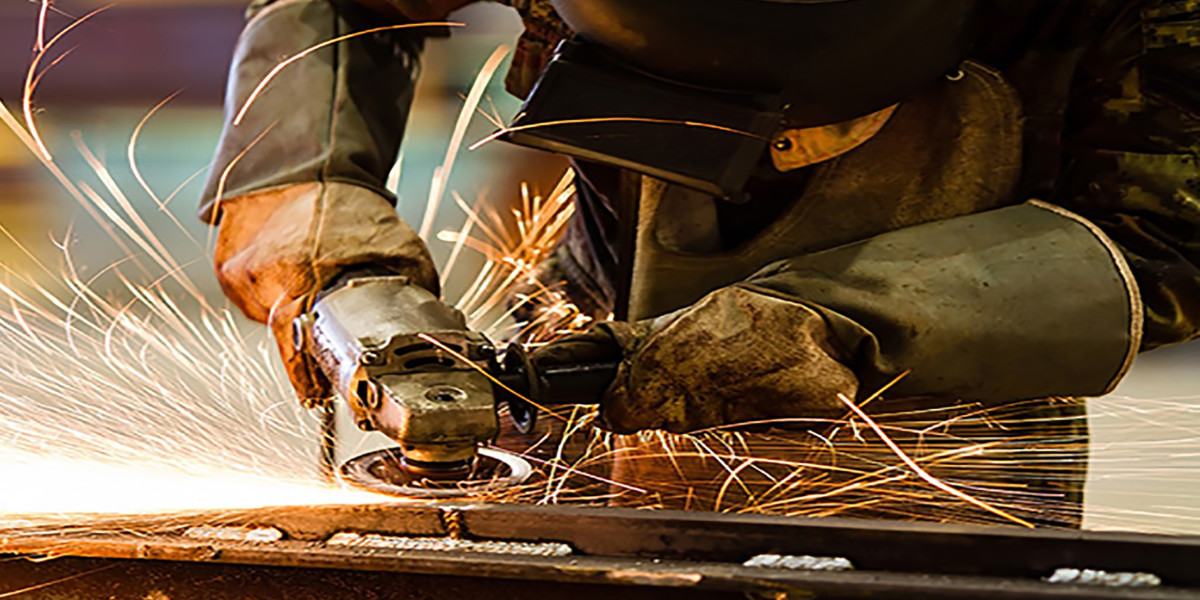
Finishing improves both appearance and performance. Processes like grinding, polishing, galvanizing, powder coating, or painting help protect against corrosion, wear, and environmental damage while also enhancing visual appeal.
Materials Used in Metal Fabrication
The choice of material is a crucial decision in any fabrication project. Carbon steel is widely used due to its strength, affordability, and versatility. Stainless steel offers excellent corrosion resistance and is commonly used in food processing, medical, and architectural applications. Aluminum is lightweight and corrosion-resistant, making it ideal for transportation and aerospace industries.
Other materials, such as brass, copper, and specialty alloys, are selected for specific properties like electrical conductivity, heat resistance, or aesthetic finish. A skilled fabricator understands how different metals behave during cutting, forming, and welding, ensuring optimal results.
The Role of Technology in Modern Fabrication
Technology has transformed metal fabrication dramatically over the past few decades. Computer-aided design (CAD) and computer-aided manufacturing (CAM) allow engineers to create detailed 3D models before any physical work begins. These digital designs reduce errors, improve consistency, and streamline production.
Automation and robotics are increasingly common in fabrication shops, especially for repetitive welding and cutting tasks. Automated systems improve speed, consistency, and workplace safety while allowing skilled fabricators to focus on complex or custom work.
Quality control has also benefited from technology, with advanced inspection tools ensuring that fabricated components meet strict industry standards and tolerances.
Industries That Rely on Metal Fabrication
Metal fabrication is vital across a wide range of industries. Construction depends on fabricated steel for buildings, bridges, and infrastructure. Manufacturing relies on custom-fabricated components for machinery and production lines. The automotive, aerospace, oil and gas, energy, and agricultural sectors all depend heavily on high-quality metal fabrication.
Even everyday products—such as furniture, appliances, and electronic enclosures—are the result of precise fabrication processes working behind the scenes.
Choosing the Right Fabrication Partner
Selecting a reliable metal fabrication company is critical to the success of any project. Experience, skilled workmanship, modern equipment, and a strong commitment to quality are essential factors. A good fabrication partner will not only execute designs accurately but also offer practical advice on materials, manufacturing methods, and cost efficiency.
Clear communication, adherence to safety standards, and the ability to meet deadlines are equally important, particularly for large or time-sensitive projects.
Conclusion
Metal fabrication is far more than cutting and welding metal—it is a sophisticated blend of engineering, craftsmanship, and technology. As industries continue to demand stronger, lighter, and more precise components, metal fabrication will remain a cornerstone of innovation and industrial growth. Whether for large-scale infrastructure or bespoke custom parts, high-quality metal fabrication ensures that ideas are transformed into reliable, real-world solutions.