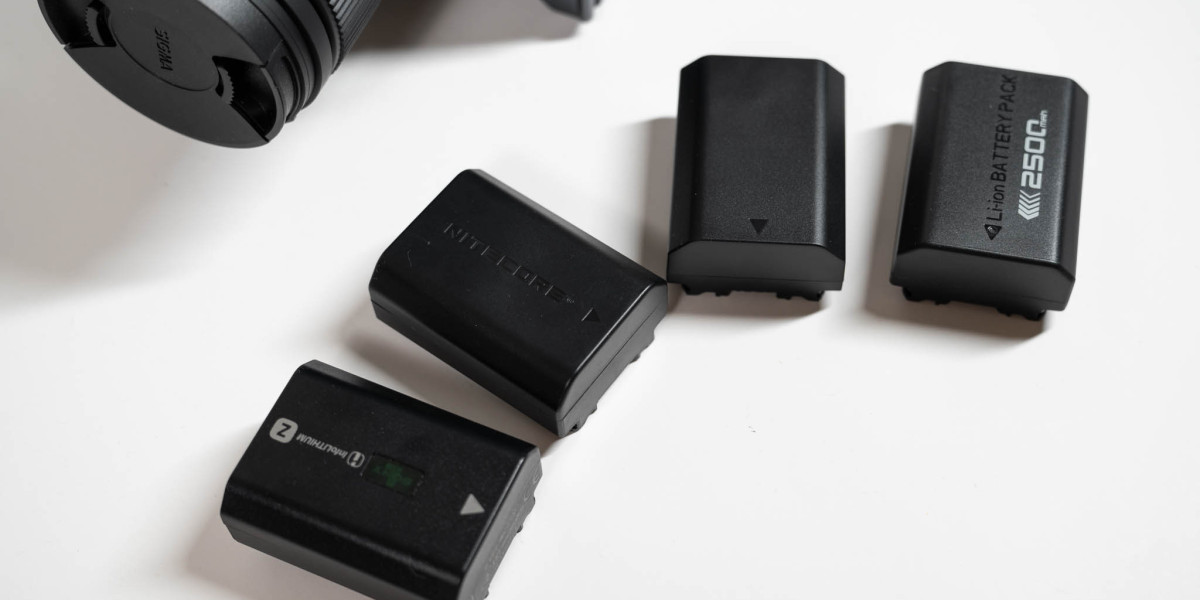

Why Is My DSLR Battery Draining Fast When Shooting Video — Power Management Tips
Video content creation has become increasingly important for photographers, content creators, and filmmakers who rely on DSLR cameras for their versatility and image quality. However, many users discover that their camera batteries drain dramatically faster during video recording compared to still photography, sometimes depleting completely within thirty to forty minutes. This frustrating reality can interrupt important shoots, limit creative opportunities, and create anxiety about equipment reliability during critical production moments.
Understanding why DSLR batteries drain quickly during video recording requires examining the fundamental differences between how cameras operate in photo versus video modes. More importantly, implementing practical power management strategies can significantly extend recording times, ensuring your camera remains operational throughout entire shooting sessions. This comprehensive guide explores the technical reasons behind rapid battery depletion and provides actionable solutions that videographers can implement immediately.
The Fundamental Difference Between Photo and Video Modes
When capturing still images, DSLR cameras operate intermittently, with most components remaining inactive between shots. The sensor activates only during the brief exposure, the autofocus system engages momentarily before each shot, and image processing occurs in short bursts. Even during intensive photography sessions, the camera spends considerable time in low-power states where battery consumption remains minimal. A typical wedding photographer might capture thousands of images throughout a day on a single battery charge.
Video recording transforms this intermittent operation into continuous, sustained activity that taxes every camera system simultaneously. The image sensor must remain constantly active, continuously converting light into electrical signals without the rest periods that photography provides. The image processor works continuously to compress and write video data to memory cards at rates exceeding hundreds of megabits per second. The autofocus system operates constantly to maintain focus on moving subjects, and the display screen remains illuminated throughout recording sessions.
This shift from intermittent to continuous operation explains why batteries that might support 800 to 1200 still images can barely manage thirty to sixty minutes of video recording. The power draw increases exponentially when all systems operate simultaneously rather than in the brief bursts characteristic of photography. Understanding this fundamental operational difference helps videographers develop realistic expectations and implement appropriate power management strategies.
Major Battery Drain Culprits in Video Recording
Live View Display and Continuous Sensor Operation
The most significant power consumer during video recording is the image sensor operating in live view mode. Unlike still photography where optical viewfinders allow sensors to remain inactive until exposure, video recording requires the sensor to continuously capture and transmit images to the display screen. This constant operation generates substantial heat that further accelerates battery depletion, as batteries lose efficiency as temperatures rise.
Modern DSLR sensors contain millions of photosites that convert light into electrical signals, and keeping all these photosites continuously active demands substantial electrical current. The larger the sensor and higher the resolution, the more power this continuous operation requires. Full-frame sensors with high megapixel counts consume more power than smaller APS-C sensors, contributing to the shorter video recording times often observed in high-end professional cameras.
The rear LCD screen compounds sensor power consumption by requiring its own substantial electrical draw. These high-resolution, bright displays consume significant power to maintain visibility in various lighting conditions. Videographers monitoring their shots on the rear screen essentially run two power-hungry components simultaneously throughout entire recording sessions, creating the primary drain on battery reserves.
Continuous Autofocus Systems
Modern DSLR cameras offer continuous autofocus during video recording, maintaining focus on moving subjects throughout shots. While this capability proves invaluable for tracking action and maintaining professional-looking footage, it comes at considerable power cost. The autofocus motor constantly adjusts lens elements, the camera processor continuously analyzes focus accuracy, and communication between camera and lens occurs uninterrupted.
Contrast-detection autofocus, used by many DSLRs in video mode, proves particularly power-intensive. This focusing method requires the camera to continuously analyze image data, hunting for maximum contrast to determine optimal focus position. The processor works harder during continuous autofocus than during single-shot focusing in photography mode, adding to overall power consumption throughout recording sessions.
Lenses with image stabilization systems activated during video recording contribute additional power drain. These stabilization mechanisms continuously adjust lens elements to counteract camera movement, requiring their own motors and processing. While stabilization proves crucial for handheld video work, it represents another continuous power draw absent during still photography with optical viewfinder use.
Video Processing and Data Writing
Recording video requires intensive, sustained data processing that still photography handles in brief bursts. The camera processor must continuously compress video frames using complex algorithms, manage audio recording, synchronize multiple data streams, and write massive files to memory cards. This processing occurs continuously throughout recording rather than in the brief intervals between still photographs.
Higher video quality settings dramatically increase processing demands and power consumption. Recording 4K video requires processing approximately four times the data volume compared to 1080p Full HD, translating to significantly higher processor workload and power draw. High frame rate recording, such as 60fps or 120fps modes, similarly increases data processing demands proportional to the frame rate increase.
The camera's internal buffer and cache systems work continuously during video recording to manage the constant data flow from sensor through processor to memory card. These memory systems consume power while active, adding to the cumulative drain on battery reserves. Unlike still photography where buffers clear between shooting bursts, video recording maintains these systems in constant operation.
Environmental and Temperature Factors
Battery chemistry responds significantly to temperature variations, with both cold and hot conditions reducing effective capacity and accelerating drain rates. Cold weather particularly impacts lithium-ion batteries used in DSLR cameras, reducing available capacity by twenty to forty percent in freezing conditions. Videographers shooting in winter environments or air-conditioned studios often discover their batteries deplete much faster than specifications suggest.
Heat generation during extended video recording creates a challenging feedback loop affecting battery performance. The continuously operating sensor, processor, and other components generate substantial heat that raises internal camera temperatures. This heat transfers to the battery compartment, warming the battery beyond its optimal operating temperature range and reducing its effective capacity. As the battery struggles to maintain voltage under load at elevated temperatures, it depletes faster, generating additional heat and accelerating the decline.
Humidity and environmental moisture can affect battery contacts and electrical connections, increasing resistance that forces batteries to work harder to deliver required power. Corrosion on battery terminals, often invisible to casual inspection, increases resistance that reduces battery efficiency and accelerates depletion during the high current demands of video recording.
Practical Power Management Strategies
Optimizing Camera Settings for Extended Recording
Reducing LCD screen brightness represents one of the most effective power-saving adjustments videographers can implement. Most cameras default to maximum brightness appropriate for outdoor viewing, but reducing brightness by thirty to fifty percent in controlled environments significantly extends battery life without compromising monitoring capability. Many cameras offer auto-brightness settings that adjust display intensity based on ambient light, providing a useful compromise between visibility and power consumption.
Disabling unnecessary camera features eliminates parasitic power drains that accumulate during extended recording sessions. WiFi and Bluetooth connectivity, GPS logging, and electronic level indicators all consume power even when not actively used. Systematically disabling features unnecessary for the specific shooting scenario can extend recording time by fifteen to twenty-five percent without sacrificing essential functionality.
Switching to manual focus when appropriate eliminates the continuous power draw of autofocus systems during recording. Videographers shooting static subjects or using pre-planned focus pulls can achieve professional results while conserving substantial battery power. This approach requires additional technical skill but rewards practitioners with dramatically extended recording times and often superior creative control over focus transitions.
Reducing video quality settings when circumstances allow provides another effective power management strategy. Projects destined for web delivery rarely require 4K resolution, and recording at 1080p Full HD reduces processing demands and power consumption significantly. Similarly, reducing frame rates from 60fps to 30fps or 24fps when high-speed capture proves unnecessary conserves power while maintaining appropriate image quality for final delivery.
External Power Solutions
External battery grips that accommodate additional batteries represent the most straightforward solution for extending recording times. These accessories effectively double or triple available power capacity without requiring workflow changes or technical modifications. The additional battery capacity proves particularly valuable for event videography, documentary work, and other scenarios where uninterrupted recording capability outweighs the added weight and bulk.
AC adapters that power cameras from wall outlets eliminate battery concerns entirely for studio work, interviews, and other stationary shooting scenarios. These adapters provide unlimited recording time constrained only by memory card capacity and camera thermal management systems. Most professional-grade DSLRs support AC adapter accessories, though users should verify compatibility before purchasing.
Portable power banks designed for camera use offer flexible external power solutions for field production. These devices typically connect to cameras through dummy batteries that replace internal battery packs, drawing power from high-capacity external battery banks. Quality power banks can extend recording times to several hours, proving invaluable for documentary production, wedding videography, and other demanding applications.
USB power delivery has become increasingly common in newer DSLR models, allowing cameras to operate from USB power banks during recording. This capability provides enormous flexibility for videographers who can leverage the vast selection of USB power banks available at various capacities and price points. Understanding whether your specific camera model supports USB power during recording rather than just charging requires consulting technical specifications or testing directly.
Battery Care and Maintenance
Proper battery maintenance significantly impacts performance and longevity, ultimately affecting how long batteries sustain video recording sessions. Storing batteries at partial charge, approximately forty to sixty percent capacity, rather than fully charged or depleted maximizes their service life. Batteries stored for extended periods at full charge or complete depletion experience accelerated capacity degradation that reduces their useful recording time.
Regular charging and discharging cycles maintain battery health and calibrate the camera's power management system. Batteries left unused for months may develop capacity loss that recovering through several complete charge-discharge cycles can partially restore. Professional videographers who maintain multiple batteries should rotate them regularly rather than continuously using the same units while leaving others idle.
Cleaning battery contacts periodically with isopropyl alcohol and lint-free cloths removes oxidation and contaminants that increase electrical resistance. This simple maintenance task often restores degraded battery performance without requiring replacements. Inspecting contacts for visible corrosion or damage during cleaning helps identify batteries requiring replacement before they fail during critical shoots.
Temperature management during charging affects battery health and capacity. Charging batteries in extreme heat or cold reduces their effective capacity and accelerates long-term degradation. Allowing batteries to return to room temperature before charging and avoiding leaving them in hot vehicles preserves their performance characteristics throughout their service life.
Investing in Quality Batteries and Accessories
Genuine manufacturer batteries, while more expensive than third-party alternatives, typically deliver superior performance, longer service life, and better compatibility with camera power management systems. The capacity ratings on authentic batteries generally prove accurate, while some aftermarket batteries fail to deliver their claimed specifications. Professional videographers who depend on reliable equipment performance typically view genuine batteries as worthwhile investments rather than unnecessary expenses.
High-quality third-party batteries from reputable manufacturers can provide excellent value for videographers on limited budgets. Brands with established reputations in the photography industry often produce batteries that match or exceed original manufacturer specifications at lower prices. However, extensively researching specific battery models and reading detailed user reviews helps avoid inferior products that might damage cameras or fail unexpectedly.
Photographers and videographers building comprehensive equipment kits often explore various accessories and components to optimize their systems. For those researching lens options alongside power solutions, understanding the complete range of available equipment helps make informed decisions. Some might investigate options like checking the sigma 16mm 1.4 price in pakistan when considering wide-angle video work, demonstrating how comprehensive equipment research encompasses both power management and optical components.
Battery management systems that monitor individual battery health, charge status, and cycle counts help professionals maintain optimal battery performance across their entire inventory. These systems prevent accidentally depleting batteries completely or leaving them fully charged for extended periods, both of which accelerate degradation. Some advanced chargers provide reconditioning functions that can restore capacity to batteries showing performance decline.
Building a Sustainable Video Production Workflow
Professional video production requires planning power management as carefully as planning shot lists and lighting setups. Calculating expected recording time based on battery capacity, camera settings, and environmental conditions allows producers to bring appropriate backup power solutions. This planning prevents the frustration and lost opportunities that occur when batteries deplete during crucial moments.
Establishing efficient workflows that minimize continuous recording reduces overall power consumption during video projects. Rather than running cameras continuously throughout shooting sessions, strategic recording during actual takes and pausing between setups conserves battery power while reducing storage requirements and post-production editing time. This disciplined approach to recording proves particularly valuable for projects involving multiple camera angles or extended production schedules.
Communication between production team members about battery status prevents situations where multiple cameras deplete simultaneously. Designating a production assistant to monitor battery levels and coordinate replacement ensures cameras remain operational throughout shoots. This organizational approach proves as important as hardware solutions for maintaining consistent production capability.
Documentation of battery performance under various conditions helps videographers develop accurate predictions for specific shooting scenarios. Recording how long batteries last at different settings, temperatures, and recording modes builds practical knowledge that informs preparation for future projects. This empirical data proves more valuable than manufacturer specifications, which reflect ideal laboratory conditions rather than real-world production environments.
Where to Find Reliable Camera Equipment and Accessories
Acquiring quality batteries, power accessories, and related video production equipment requires partnering with knowledgeable suppliers who understand professional requirements. Reputable dealers provide genuine products with proper warranty coverage, ensuring buyers receive authentic items that meet manufacturer specifications. This assurance proves particularly important for batteries, where counterfeit products pose performance and safety risks.
Many videographers appreciate the convenience of researching and purchasing equipment through established retailers offering comprehensive product selections. For those seeking variety alongside expert guidance, exploring options through a trusted camera shop online provides access to genuine batteries, charging solutions, and related accessories with detailed specifications and customer reviews informing purchase decisions.
Local photography communities often develop around specialized equipment suppliers who provide ongoing support beyond initial transactions. These relationships prove valuable for troubleshooting technical issues, comparing products directly, and accessing expert advice tailored to specific shooting requirements. In major metropolitan areas, established retailers such as those in the camera market lahore serve as hubs where videographers can examine products personally and benefit from staff experience with various camera systems and accessories.
Authorized dealer purchases ensure proper warranty coverage and access to manufacturer support networks, crucial considerations for professionals whose livelihoods depend on reliable equipment. While gray market products may offer lower prices, the potential complications regarding warranty service and product authenticity often outweigh modest savings. Professional videographers typically prioritize reliability and support over marginal cost differences.
Advanced Power Management Techniques
Understanding your camera's power consumption patterns through systematic testing enables precise planning for specific shooting scenarios. Recording actual battery duration at various settings provides data for creating accurate power budgets for different project types. This empirical approach surpasses relying on manufacturer estimates that rarely reflect real-world conditions.
Implementing tiered power conservation strategies based on remaining battery capacity helps maximize available recording time. As batteries deplete, progressively disabling non-essential features and reducing quality settings extends operational time until battery replacement becomes possible. This graduated response prevents abrupt recording interruption by strategically sacrificing less critical functions.
External recording solutions that bypass internal camera processing can dramatically reduce power consumption during extended recording sessions. External recorders often support longer recording times on single batteries while offering enhanced codec options and monitoring capabilities. This approach proves particularly valuable for documentary work, interviews, and other scenarios requiring sustained recording capability.
Wireless video transmission systems, while adding another power consumer to the production setup, can enable powering cameras from AC sources while monitoring remotely. This configuration provides unlimited recording time for studio work, live streaming, and multi-camera productions where cable connections prove feasible.
Conclusion
Rapid battery depletion during video recording represents an inherent characteristic of DSLR operation rather than equipment deficiency or malfunction. The continuous operation of sensors, processors, displays, and autofocus systems during video recording creates substantially higher power demands than intermittent still photography. Understanding these technical realities helps videographers develop realistic expectations and implement effective power management strategies.
Extending recording times requires combining multiple approaches including optimized camera settings, quality batteries, external power solutions, and proper maintenance practices. No single solution completely eliminates battery concerns, but systematically implementing the strategies discussed throughout this guide can double or triple available recording time. Professional videographers view power management as integral to production planning rather than an afterthought addressed when batteries unexpectedly deplete.
Investing in quality batteries, appropriate charging systems, and backup power solutions proves essential for reliable video production. These investments deliver returns through reduced stress during shoots, increased creative freedom to explore multiple takes, and professional reliability that builds client confidence. Combined with proper technique and workflow planning, comprehensive power management transforms battery anxiety into confident, sustained video production capability that supports creative vision without technical compromise.