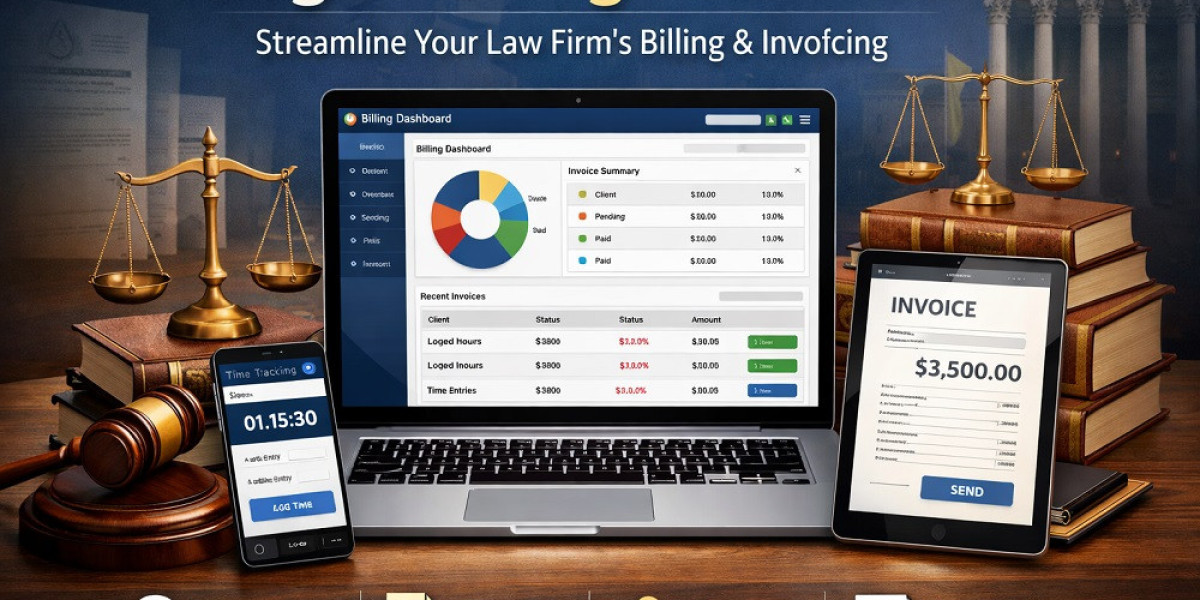

Manual billing is one of those tasks most law firms tolerate far longer than they should. It feels familiar, controllable, and “good enough.” But if another month is about to close and your firm is still tracking time in spreadsheets, reconciling invoices by hand, or chasing billing errors after the fact, it may be quietly costing you revenue, time, and trust.
This article is written for managing partners, firm administrators, and legal professionals who suspect there must be a better way—but want clarity before making a change.
The Hidden Cost of Manual Billing in Law Firms
Manual billing doesn’t usually fail loudly. Instead, it erodes efficiency a little at a time.
Common pain points include:
Lost or underreported billable hours
Delayed invoices and slower payments
Billing disputes caused by inconsistent descriptions
Administrative burnout and overtime
Limited visibility into firm profitability
When billing relies on human memory, manual calculations, or disconnected tools, even small mistakes compound. Over the course of a year, those “minor” issues can translate into tens or hundreds of thousands in unrealized revenue.
Why Manual Processes Struggle to Scale
Time Tracking Becomes Inaccurate Under Pressure
Attorneys are busy. When time entries are logged at the end of the day—or worse, the end of the week—details get missed. Studies consistently show that delayed time entry leads to underbilling, especially for short tasks like emails, calls, or document reviews.
Billing Errors Damage Client Trust
Clients today expect transparency and consistency. Manual invoices often include vague descriptions, formatting inconsistencies, or math errors that invite questions. Even if the total is correct, the perception of sloppiness can strain client relationships.
Month-End Billing Turns Into a Fire Drill
If your accounting team dreads month-end, that’s a sign your billing process isn’t working for you. Manual reconciliation across time sheets, trust accounts, and invoices takes time—and often delays billing altogether.
How Legal Billing Software Solves These Problems
Modern legal billing software is designed specifically for how law firms operate, not generic businesses. The right billing software doesn’t just automate invoices—it supports better financial decision-making.
Automated, Real-Time Time Tracking
With built-in timers and seamless integrations, attorneys can capture billable time as work happens. This dramatically reduces lost revenue and ensures accurate billing without adding administrative burden.
Consistent, Compliant Invoicing
Legal billing software standardizes invoice formats, applies billing rules automatically, and helps ensure compliance with client guidelines or LEDES requirements. Fewer errors mean fewer disputes and faster payments.
Faster Billing, Healthier Cash Flow
Automated workflows allow firms to generate and send invoices as soon as a billing period closes. Some billing software even supports online payments, reducing days outstanding and improving cash flow predictability.
Practical Tips for Firms Considering the Switch
Audit Your Current Billing Process
Before adopting new billing software, document where time is being lost today. Are attorneys entering time late? Are invoices delayed due to manual reviews? Knowing your bottlenecks will help you choose the right solution.
Choose Software Built for Law Firms
Not all billing software understands trust accounting, matter-based billing, or legal compliance requirements. Look for legal billing software with proven experience in your practice area and firm size.
Involve Attorneys Early
Adoption fails when attorneys see new software as extra work. Demonstrate how billing software actually saves time, reduces write-offs, and minimizes follow-up questions from clients.
Addressing Common Concerns About Billing Software
“Our firm is too small for billing software.”
In reality, smaller firms often benefit the most. Billing software reduces administrative overhead and allows attorneys to focus on billable work instead of back-office tasks.
“Implementation will disrupt our workflow.”
Most modern billing software platforms are cloud-based, intuitive, and supported by onboarding specialists. Short-term adjustment leads to long-term efficiency.
“We’ve always done it this way.”
That may be true—but client expectations, regulatory requirements, and competitive pressures have changed. Firms that modernize billing are better positioned for sustainable growth.
The Bigger Picture: Billing as a Strategic Advantage
Billing is not just an accounting function—it’s a reflection of your firm’s professionalism, efficiency, and respect for client time. Firms that adopt legal billing software gain clearer financial insights, more predictable revenue, and stronger client relationships.
Waiting another month to address manual billing may feel harmless. But every billing cycle that passes with outdated processes is an opportunity missed.
Conclusion: Don’t Let Another Month Slip By
If your law firm still bills manually, now is the time to reevaluate. Legal billing software is no longer a luxury—it’s a foundational tool for modern, client-focused firms.
Take action before the next billing cycle. Assess your current process, explore purpose-built billing software, and position your firm for greater accuracy, efficiency, and growth.
The right legal billing software doesn’t just change how you bill—it changes how confidently you run your firm.