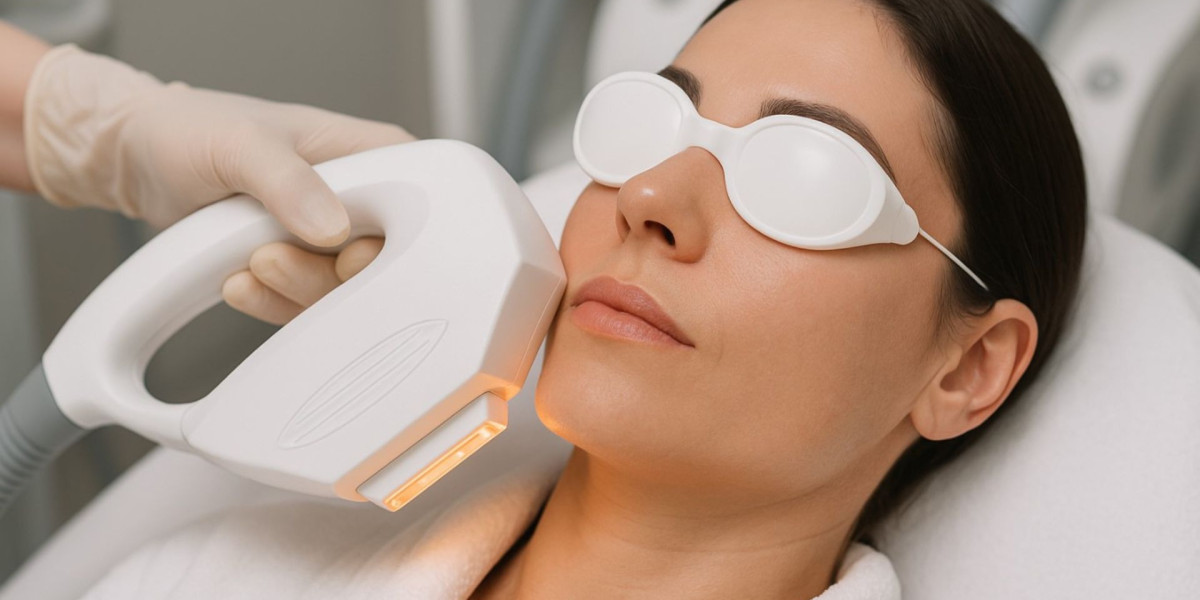

What the Skin Barrier Actually Does
The skin barrier is the outermost protective layer of the skin. Its job is to:
Lock in moisture
Keep irritants out
Regulate inflammation
Maintain overall skin balance
When the barrier is damaged, skin can become:
Red or reactive
Dry or tight
Acne-prone
More prone to pigmentation
Treatments that disrupt the barrier may deliver quick results — but often at a cost.
How IPL Works Differently
IPL uses broad-spectrum light to target pigment and redness beneath the skin’s surface. Instead of exfoliating the top layer, IPL energy is absorbed by:
Melanin (brown pigmentation)
Hemoglobin (redness and visible vessels)
This allows IPL to address uneven tone without physically breaking the skin.
? Fact: IPL has been shown to reduce sun-related pigmentation by 50–75% after a series of properly spaced treatments.
Why IPL Is Considered Barrier-Friendly
Unlike chemical peels or abrasive treatments, IPL:
Does not remove layers of skin
Does not rely on controlled injury
Does not strip protective oils
This makes it a valuable option for people who want tone correction without triggering sensitivity.
Who Typically Benefits from IPL
IPL is often chosen by people dealing with:
Sun damage
Freckles and age spots
Diffuse redness
Uneven skin tone
Early signs of photoaging
It works best when pigmentation is epidermal or superficial, rather than deep or hormonally driven.
IPL and Sensitive Skin: Why Assessment Matters
Although IPL is gentler than many resurfacing options, it still requires professional judgment.
Factors that must be considered include:
Skin tone
Pigment depth
Sensitivity levels
Existing inflammation
? Fact: Treating deeper pigmentation like melasma with the wrong settings can worsen discoloration — which is why IPL should never be applied without evaluation.
How IPL Supports Long-Term Skin Health
By correcting uneven tone without damaging the barrier, IPL helps skin:
Retain moisture more effectively
Respond better to skincare products
Maintain a calmer, more balanced appearance
Results are gradual and cumulative, aligning well with a long-term skin health strategy.
Why Multiple Sessions Are Important
Pigment and redness develop over time — and they fade the same way.
IPL treatments are typically spaced several weeks apart to:
Allow the skin to process targeted pigment
Prevent inflammation
Maintain barrier integrity
Improvement continues as the skin clears treated pigment naturally.
The Role of Sun Protection
Because IPL works on pigment, sun protection is essential. Daily SPF helps:
Protect results
Prevent new pigmentation
Support the skin barrier
Without sun protection, even the best IPL results can be short-lived.
If uneven skin tone or redness has been difficult to manage without irritating your skin, a consultation at Skin Bliss Med Spa can help determine whether IPL is an appropriate and barrier-safe option for your skin.