
Best RØDE Accessories for Professional Podcasting
Professional podcasting demands more than just a quality microphone and recording software. The accessories surrounding your core equipment often determine whether your audio sounds polished and professional or amateur and distracting. RØDE Microphones has built a comprehensive ecosystem of accessories designed specifically to enhance podcast production, addressing common challenges that creators face during recording and post-production processes.
Understanding which accessories genuinely improve your workflow versus those that simply occupy shelf space requires careful consideration of your specific podcasting style, recording environment, and production goals. This comprehensive guide explores essential and advanced RØDE accessories that elevate podcast quality, examining how each component contributes to professional-grade audio production.
The Foundation of Professional Podcast Audio
Before diving into specific accessories, understanding the role each component plays in your signal chain helps make informed purchasing decisions. Audio quality begins at the microphone but depends equally on proper shock mounting, acoustic treatment, signal routing, and monitoring solutions. Each accessory addresses specific technical challenges that can compromise otherwise excellent microphone performance.
Many podcasters invest heavily in premium microphones while overlooking supporting accessories, resulting in audio that fails to reflect the microphone's true capabilities. Environmental vibrations, improper positioning, insufficient monitoring, and signal degradation between components all introduce problems that no amount of post-production can fully correct. Strategic accessory selection prevents these issues from occurring in the first place.
The RØDE ecosystem approach ensures compatibility and optimal performance across all components. While third-party alternatives exist for most accessory categories, RØDE designs its products to work seamlessly together, eliminating compatibility concerns and simplifying troubleshooting when issues arise. This integration proves particularly valuable for podcasters who prioritize reliability over experimenting with mixed-brand configurations.
Shock Mounts and Suspension Systems
Shock mounts represent perhaps the most critical accessory investment for podcasters serious about audio quality. These suspension systems isolate microphones from vibrations transmitted through desk surfaces, microphone stands, and floor structures. Without proper shock mounting, every keyboard stroke, mouse movement, footstep, and furniture adjustment translates into audible rumble and handling noise that distracts listeners and requires time-consuming editing to minimize.
The RØDE PSM1 shock mount accommodates RØDE's popular podcasting microphones including the Procaster, Podcaster, and NT-USB models. The elastic suspension system effectively decouples the microphone from mechanical vibrations while maintaining stable positioning throughout recording sessions. The Rycote Lyre system employed in RØDE's shock mounts uses thermoplastic rather than traditional elastic bands, providing consistent performance across temperature variations and eliminating the gradual degradation that plagues rubber suspension systems.
Installation simplicity matters when switching between different recording setups or transporting equipment to remote recording locations. RØDE designs shock mounts with secure yet tool-free mounting mechanisms that attach firmly to standard microphone stands without requiring Allen keys or adjustment tools. This convenience proves invaluable during quick setup situations or when adjusting microphone positioning mid-recording.
Proper shock mounting becomes even more critical in home studio environments where isolation from building vibrations proves challenging. Apartment dwellers recording above commercial spaces, studios located near busy streets, or recording setups sharing floors with household activity all benefit dramatically from quality shock mount implementation. The investment pays immediate dividends in cleaner recordings requiring less corrective processing.
Boom Arms and Studio Positioning
Microphone positioning flexibility directly impacts both audio quality and recording comfort. Desktop microphone stands force uncomfortable speaking angles and limit movement during recording, while inadequate reach requires leaning forward into unnatural positions that cause fatigue during extended sessions. Professional boom arms solve these ergonomic and acoustic positioning challenges simultaneously.
The RØDE PSA1 professional studio arm remains the industry standard for podcast applications, offering extensive reach and smooth adjustment across multiple axes. The internal spring tension system balances microphone weight perfectly, allowing effortless positioning adjustments that stay precisely where placed without gradual sagging or drift. This stability proves essential when recording solo episodes where repositioning mid-session would interrupt flow and require editing to remove handling noise.
Cable management integration distinguishes professional boom arms from budget alternatives. The PSA1 includes cable clips and channels that route microphone cables cleanly along the arm's length, preventing tangled cables from pulling on connections or creating visual clutter in video podcast setups. This attention to practical recording environment concerns reflects RØDE's understanding of real-world production workflows.
The horizontal and vertical reach provided by quality boom arms enables optimal microphone positioning relative to the speaker's mouth regardless of desk configuration or seating arrangement. This flexibility proves particularly valuable for interview formats where multiple speakers require individual microphone positioning or when accommodating guests of varying heights and seating preferences. The arm's range of motion ensures proper technique without forcing uncomfortable positions.
Pop Filters and Windshields
Plosive consonants including P, B, T, and K sounds create sudden air bursts that strike microphone capsules, producing distracting pops and thumps in recordings. These artifacts prove particularly problematic in podcasting where speech constitutes the primary content, with plosives occurring frequently throughout natural conversation. Pop filters address this issue by diffusing air bursts before they reach the microphone capsule.
The RØDE WS2 windshield provides comprehensive protection against both plosives and environmental air movement using open-cell foam that acoustically transparent to voice frequencies while blocking wind and breath turbulence. The slip-on design fits securely over compatible RØDE microphones without adhesives or mounting hardware, maintaining clean aesthetics while providing practical protection. Foam windshields excel in controlled studio environments where subtle plosive control suffices.
For more aggressive plosive problems or recording environments with air conditioning or ventilation creating air movement, metal mesh pop filters offer superior performance. These filters position several inches from the microphone capsule, diffusing air bursts over greater distances before reaching the sensitive diaphragm. The RØDE professional-grade metal pop filters attach to microphone stands via adjustable gooseneck mounts, allowing precise positioning between speaker and microphone.
Double-layer mesh construction in premium pop filters provides enhanced plosive rejection compared to single-layer alternatives. The spacing between mesh layers creates turbulence that dissipates air energy more effectively, though at the cost of slight high-frequency attenuation that proves imperceptible in most podcast applications. Choosing between foam windshields and metal pop filters depends on specific plosive severity and environmental factors unique to each recording space.
Headphones for Critical Monitoring
Accurate monitoring during recording enables immediate detection of audio problems, preventing the discovery of unusable takes during post-production when correction becomes impossible. Many podcasters rely on casual consumer headphones that color sound with enhanced bass and treble, creating pleasant listening experiences but failing to reveal technical issues including mouth noises, room reflections, and electronic interference that plague recordings.
The RØDE NTH-100 professional monitoring headphones deliver flat, accurate frequency response essential for critical listening during recording and editing sessions. The closed-back design provides excellent isolation from external sounds, allowing podcasters to focus entirely on recorded audio without environmental distractions bleeding through. This isolation proves particularly valuable in untreated rooms where ambient noise otherwise competes with program material.
Comfort during extended wearing periods determines whether monitoring headphones remain useful throughout long recording and editing sessions. The NTH-100 features precisely calibrated clamping force that maintains secure positioning without creating pressure points or fatigue. Memory foam ear cushions distribute contact pressure evenly while providing effective acoustic sealing, and the adjustable headband accommodates different head sizes without binding or excessive looseness.
Impedance matching between headphones and audio interfaces affects both volume levels and sound quality. RØDE designs its monitoring headphones with impedance values optimized for typical podcast recording interfaces, ensuring adequate volume without requiring external headphone amplifiers. This consideration simplifies signal chains and reduces potential points of failure during critical recording sessions.
Audio Interfaces and USB Connectivity
Audio interfaces convert analog microphone signals into digital audio that computers can process and record. Interface quality directly affects recorded audio fidelity, with poor converters introducing noise, distortion, and limited dynamic range that no subsequent processing can fully correct. RØDE offers several interface solutions tailored to different podcasting configurations and channel requirements.
The RØDE AI-1 audio interface provides single-channel recording perfect for solo podcasters using XLR microphones. The Neutrik combo jack accepts both XLR and quarter-inch connections, accommodating different microphone types without adapter cables. The discrete Class-A preamp circuitry delivers clean gain with low noise and high headroom, capturing nuanced vocal performances without unwanted coloration or artifacts.
Studio-grade headphone amplification built into the AI-1 drives a wide range of headphone impedances with adequate volume and detail. The zero-latency monitoring circuit allows podcasters to hear their voice in real-time without distracting delays that occur when monitoring through computer software. This direct monitoring proves essential for natural speech delivery, as even slight delays disrupt timing and cause stumbling over words.
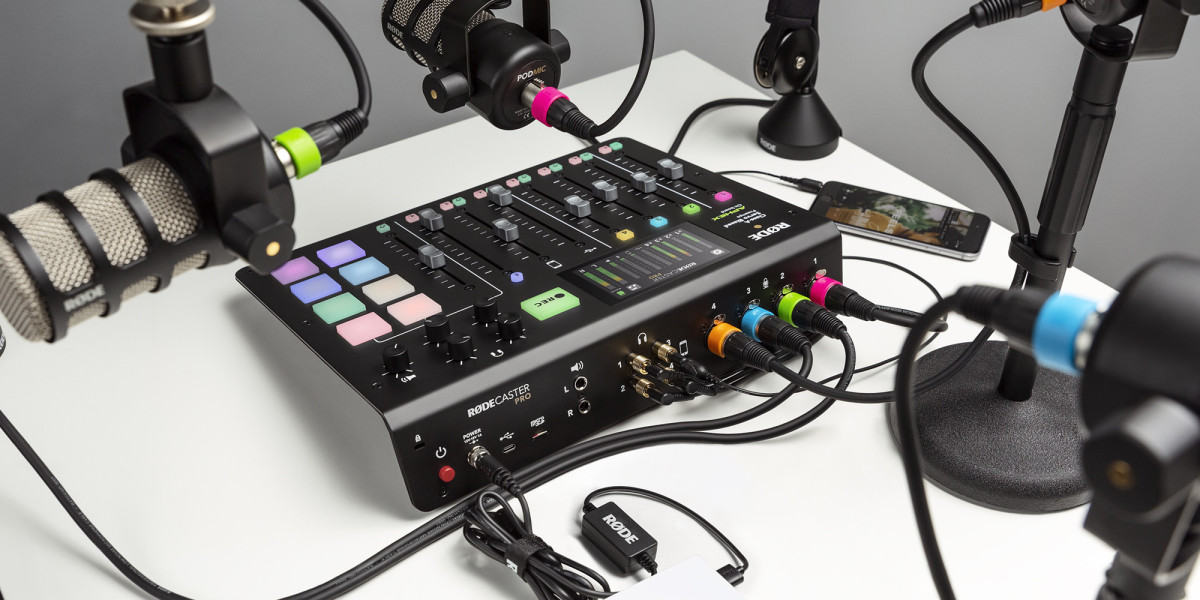
For multi-host podcast formats requiring simultaneous recording of multiple microphones, the RØDE RØDECaster Pro represents a comprehensive production solution. This integrated mixer combines audio interface functionality with onboard effects processing, soundpad triggering, and podcast-specific features including automatic level adjustment and voice processing. The standalone operation eliminates computer dependencies during recording, improving reliability and reducing technical complications.
Cables and Signal Path Integrity
Signal path quality matters tremendously in professional audio production, with inadequate cables introducing noise, radio frequency interference, and signal degradation that compromises recordings. Many podcasters overlook cable quality while investing in premium microphones and interfaces, unknowingly undermining their equipment's performance through substandard connections.
RØDE XLR cables feature oxygen-free copper conductors that maintain signal integrity across cable lengths, dual-layer shielding that rejects electromagnetic and radio frequency interference, and robust strain relief at connection points that prevents wire fatigue from repeated flexing. The investment in quality cables pays dividends in problem-free recording sessions without mysterious noise issues or intermittent connection failures.
Cable length selection balances flexibility against signal degradation, with longer runs introducing greater capacitance that can affect high-frequency response in some configurations. For typical podcast recording distances between microphone and interface, three-meter cables provide adequate reach without unnecessary excess that creates cable management challenges. Shorter cables suit fixed installations where equipment positions remain consistent, while longer cables accommodate flexible setups requiring frequent reconfiguration.
Proper cable storage extends service life and maintains performance consistency. Loosely coiling cables using the over-under technique prevents internal wire twisting that eventually causes connection failures. Velcro cable ties secure coiled cables during storage and transport without creating tight kinks that stress conductor strands. These simple practices ensure cables remain reliable throughout years of regular use.
Microphone Stands and Desk Mounting
Stable microphone positioning prevents handling noise and allows consistent microphone technique throughout recording sessions. Inadequate stands wobble with minor contact, creating distracting vibrations and requiring constant repositioning that interrupts recording flow. RØDE offers various stand solutions accommodating different studio configurations and space constraints.
Traditional tripod microphone stands suit dedicated recording spaces where floor-standing equipment positions work effectively. The adjustable height and telescoping boom arm provide positioning flexibility while maintaining stability during recording. Weighted base designs resist tipping from accidental cable pulls or contact, protecting expensive microphones from drops while ensuring consistent positioning throughout sessions.
Desktop stands serve podcasters recording in multi-purpose spaces where permanent floor stands prove impractical. These compact solutions position microphones on desk surfaces, trading height adjustment for space efficiency. Quality desktop stands include sufficient mass and non-slip bases that prevent sliding or tipping during animated speaking or gestural emphasis, maintaining professional presentation in video podcast applications.
C-clamp mounting systems attach directly to desk edges, providing secure microphone positioning without occupying desktop real estate. These solutions suit crowded workspaces where desk surface availability limits equipment placement options. The permanent attachment eliminates setup time when beginning recording sessions, particularly valuable for podcasters who record frequently in the same location. When evaluating equipment options, examining the mic price in Pakistan helps podcasters budget appropriately for complete accessory systems that support professional production workflows.
Acoustic Treatment Accessories
Room acoustics profoundly impact recorded audio quality, with untreated spaces exhibiting problematic reflections, standing waves, and excessive reverberation that muddy speech clarity. While comprehensive acoustic treatment involves installing panels and bass traps throughout recording spaces, targeted accessories provide meaningful improvements without extensive room modification.
Reflection filters mount directly behind microphones, absorbing sound waves traveling toward rear and side walls before they reflect back toward the microphone capsule. These portable solutions prove particularly valuable for podcasters recording in untreated rooms or temporary locations where permanent acoustic treatment proves impractical. The curved design focuses absorption where reflections cause the most problems, maximizing effectiveness with minimal material.
Desktop acoustic treatment including foam panels and absorption material placed strategically around recording positions reduces early reflections from desk surfaces and nearby walls. These local treatments create acoustic dead zones immediately surrounding the microphone, capturing direct vocal sound while minimizing room interaction. The improvements often surprise podcasters accustomed to problematic room acoustics, demonstrating that targeted treatment delivers results disproportionate to the modest investment required.
Vocal booth alternatives including portable isolation shields provide even more comprehensive acoustic control without requiring dedicated recording rooms. These three-sided enclosures surround the microphone on three sides, creating a mini-isolation environment that rejects room sound while capturing clean vocal recordings. While not equivalent to purpose-built vocal booths, these portable solutions deliver substantial improvements over completely untreated recording environments.
Storage and Transportation Solutions
Equipment protection during storage and transportation prevents damage that compromises performance or requires expensive repairs and replacements. Purpose-designed cases accommodate specific equipment configurations while providing protection from impacts, moisture, and environmental extremes encountered during travel to remote recording locations.
Hard-shell cases with custom foam inserts secure microphones, accessories, and cables in dedicated compartments that prevent shifting during transport. The foam cushioning absorbs impacts from drops or rough handling, distributing forces to prevent damage to sensitive components. Waterproof seals protect against moisture exposure during transport through rain or storage in humid environments, preventing corrosion and moisture damage to electronic components.
Modular case systems allow podcasters to configure protection exactly matching their equipment inventory and typical recording setups. Adding or removing foam sections accommodates configuration changes as equipment collections evolve, extending case utility across multiple years and different production requirements. This flexibility proves more economical than purchasing new cases as equipment changes, while ensuring optimal protection for current configurations.
For podcasters primarily recording in single locations, dedicated equipment racks or shelving systems maintain organization while keeping accessories readily accessible. Clear labeling and consistent storage locations reduce setup time when beginning recording sessions, eliminating frustration from searching for specific cables or adapters needed to commence recording. This organizational discipline proves particularly valuable for podcasters managing busy schedules where efficient workflows maximize productive recording time.
Power Solutions and Backup Systems
Reliable power delivery ensures consistent equipment performance and protects expensive electronics from voltage fluctuations and power anomalies. Many recording setups overlook power conditioning, connecting sensitive audio equipment to standard wall outlets without protection against spikes, sags, or noise riding on power lines.
Power conditioners filter electrical noise from power lines before it reaches connected equipment, preventing ground loops and radio frequency interference that manifest as buzzes, hums, and digital artifacts in recordings. The filtered power delivery maintains consistent voltage levels despite fluctuations from air conditioning cycles, appliance operation, and utility grid variations. This stability proves particularly important for analog audio circuits where power supply quality directly affects signal path noise floors.
Uninterruptible power supplies provide backup battery power during brief outages, preventing abrupt shutdowns that risk data loss or corruption. For podcasters recording lengthy interviews or panel discussions, UPS protection ensures that brief power interruptions don't destroy hours of recording effort. The battery capacity determines available runtime during outages, with larger capacities supporting longer recording sessions but increasing cost and physical footprint.
Surge protection safeguards equipment from voltage spikes caused by lightning strikes, utility switching, or electrical faults in building wiring. Quality surge protectors sacrifice themselves during extreme events, absorbing damaging voltage levels that would otherwise destroy connected electronics. The relatively modest cost of surge protection provides valuable insurance against catastrophic equipment damage from unpredictable electrical events.
Integration with Video Podcast Production
Video podcasting introduces additional considerations beyond pure audio production, with visual presentation affecting viewer engagement and channel growth. RØDE recognizes the convergence between audio and video content creation, designing accessories that function effectively in both contexts without compromising either medium.
Camera-mounted microphone solutions including the VideoMic series provide high-quality audio capture for mobile recording scenarios where separate microphone stands prove impractical. The shock mounting and directional pickup patterns reject off-axis noise while capturing clear dialog from on-camera speakers. These solutions suit interview formats, event coverage, and field recording where visual documentation accompanies audio content.
Wireless microphone systems enable freedom of movement during video recording, eliminating cable restrictions that limit blocking and camera angles. The RØDE Wireless GO series provides broadcast-quality audio transmission with minimal setup complexity, allowing podcasters to focus on content delivery rather than technical troubleshooting. The compact transmitter and receiver units integrate seamlessly into video production workflows without creating visual clutter in frame.
Lighting and backdrop considerations affect visual podcast presentation quality, with proper illumination and professional backgrounds elevating perceived production value. While not RØDE products directly, these components represent essential accessories for podcasters expanding into video formats. Coordinating audio and video equipment purchases ensures balanced investment across both production aspects. For podcasters building comprehensive production setups, exploring options at the camera market Lahore helps identify compatible equipment that works harmoniously with quality audio accessories.
Software and Digital Workflow Tools
Modern podcasting extends beyond hardware accessories into software tools that enhance recording, editing, and publishing workflows. RØDE provides several software utilities that complement its hardware ecosystem, addressing common production challenges through digital solutions.
RØDE Connect software transforms the RØDECaster Pro into a fully-featured digital audio workstation, providing multitrack recording, effects processing, and project management within a streamlined interface. The integration eliminates the need for separate recording software in many scenarios, simplifying workflows and reducing technical complexity. The software receives regular updates adding features and addressing user feedback, ensuring the hardware investment remains current as production needs evolve.
RØDE Central provides firmware updates and configuration management for various RØDE products, ensuring equipment operates with the latest features and performance optimizations. The utility simplifies processes that otherwise require manual firmware installation, reducing risks of update failures that temporarily disable equipment. Maintaining current firmware proves particularly important for digital products where software updates address compatibility issues with operating system changes and new recording software releases.
Educational resources including tutorials, guides, and community forums complement physical accessories by accelerating skill development and problem-solving. RØDE maintains extensive educational content addressing common recording challenges, microphone technique, and production workflows. These resources prove particularly valuable for podcasters transitioning from casual content creation to professional production standards, providing guidance that shortens learning curves and prevents costly mistakes.
Building Your Complete Accessory System
Strategic accessory acquisition balances immediate needs against future expansion possibilities, avoiding both incomplete systems that frustrate production and excessive investment in features unlikely to see regular use. Beginning with essential accessories including shock mounts, boom arms, and pop filters establishes foundational quality, while advanced additions including acoustic treatment and backup power systems enhance capabilities as production sophistication increases.
Prioritizing accessories that address specific problems in your recording environment delivers better results than generic checklist purchasing. Podcasters struggling with room acoustics benefit immediately from reflection filters and absorption panels, while those experiencing handling noise see dramatic improvements from quality shock mounts and boom arms. Honest assessment of current limitations guides effective accessory investments that meaningfully impact production quality.
Budget allocation across multiple accessory categories requires balancing competing priorities within financial constraints. While premium accessories deliver superior performance and longevity, entry and mid-level options often provide acceptable quality for podcasters developing skills and building audiences. The key involves identifying which accessories genuinely require premium investment versus those where mid-tier alternatives suffice for current production requirements.
Future-proofing through modular expansion capabilities allows system growth without replacing existing investments. Choosing audio interfaces with multiple inputs supports eventual multi-host format adoption, while power conditioners with excess capacity accommodate additional equipment additions. This forward-looking approach maximizes long-term value from initial purchases while maintaining upgrade flexibility as production needs evolve.
Maintenance and Longevity Considerations
Proper maintenance extends accessory lifespan and maintains performance consistency throughout years of regular use. Regular cleaning removes accumulated dust, debris, and skin oils that gradually degrade components and connections. Gentle cleaning using appropriate materials prevents damage to delicate surfaces and electrical contacts while maintaining equipment aesthetics and functionality.
Periodic inspection identifies developing issues before they cause recording failures, allowing preventive maintenance during convenient times rather than emergency repairs disrupting production schedules. Checking cable connections for oxidation, examining shock mount elastics for wear, and verifying boom arm tension adjustment maintains reliability and prevents unexpected equipment failures during critical recording sessions.
Firmware updates for digital accessories address compatibility issues, add features, and improve performance over product lifespans. Maintaining current firmware ensures equipment operates optimally with evolving computer systems, recording software, and production workflows. Regular update checking and installation prevents gradual obsolescence that might otherwise require premature equipment replacement.
Documentation including receipts, warranty information, and configuration settings simplifies troubleshooting and warranty claims when issues arise. Maintaining organized records proves particularly valuable for insurance claims following theft or damage, providing proof of ownership and purchase values. Digital backups of configuration settings enable quick restoration after firmware resets or equipment replacements without recreating custom configurations from memory.
Conclusion
Professional podcasting demands comprehensive accessory systems that support microphone capabilities while addressing common recording challenges. RØDE's ecosystem approach provides integrated solutions across all accessory categories, from fundamental shock mounts and boom arms through advanced acoustic treatment and power conditioning. Strategic accessory selection based on specific recording environment challenges and production goals delivers meaningful quality improvements that enhance listener experience and strengthen podcast competitiveness.
The investment in quality accessories pays dividends throughout equipment lifespans through improved recording reliability, reduced post-production correction requirements, and enhanced production efficiency. While budget constraints naturally influence purchasing decisions, prioritizing accessories that address the most significant current limitations provides the best return on investment regardless of total budget availability.
Building complete accessory systems requires patience and strategic planning rather than immediate acquisition of every available product. Beginning with essential fundamentals and expanding capabilities as production requirements grow creates sustainable development paths that match financial resources with practical needs. This measured approach prevents both inadequate systems that compromise quality and excessive spending on capabilities unlikely to receive regular use in actual production workflows.