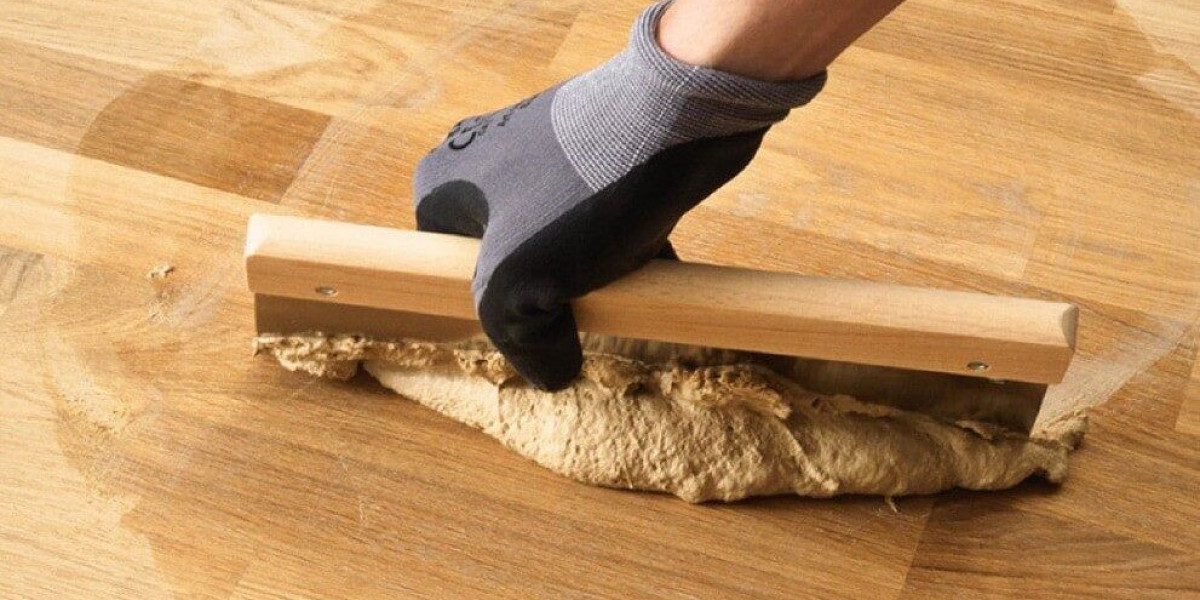

If you’ve noticed visible marks or deeper gouges on your engineered oak floor, don’t worry. With the right tools and methods, repairing scratches in engineered European oak can restore its original beauty without requiring a full replacement.
This comprehensive guide will walk you through how to identify different types of scratches, choose the right repair materials, and apply proven restoration techniques for long-lasting results.
Understanding Engineered European Oak Flooring
Engineered hardwood flooring like European oak is crafted with multiple layers to provide both beauty and stability. The top layer, known as the wood veneer, is made of real European oak, prized for its fine grain, rich tones, and ability to take stains evenly. Beneath that is a high-quality plywood or HDF (High-Density Fiberboard) core that enhances durability and resists expansion from humidity changes.
Unlike solid wood, engineered European oak can be installed in a variety of environments, including basements, kitchens, and high-traffic spaces, without as much risk of warping or swelling. However, the real oak veneer surface means that scratches can still occur, especially if the floor’s protective finish wears down over time.
Explore Why European Oak Flooring Is a Timeless Choice for Modern Homes in detail here.
Before jumping into repairs, it’s important to understand the depth and severity of the scratch, because different levels of damage require different solutions.
Identifying the Type of Scratch
Scratches on engineered oak flooring generally fall into three main categories:
Surface Scratches:
These are light marks that affect only the top protective finish (such as lacquer, oil, or polyurethane). They don’t penetrate the wood veneer itself and can be fixed with quick touch-up methods.Moderate Scratches:
These scratches extend into the veneer but don’t reach the core layers. They usually require sanding or filling to achieve an even surface again.Deep Scratches or Gouges:
These marks penetrate through the veneer layer into the core material. Deep scratches require careful filling and refinishing to blend seamlessly with the surrounding surface.
Knowing the type of scratch helps determine whether you’ll need simple products like a scratch concealer or a more detailed repair using wax repair kits, fine-grit sandpaper, and touch-up repair kits.
Step-by-Step Guide: How to Repair Deep Scratches in Engineered European Oak
Step 1: Clean and Prepare the Area
Before repairing, make sure the damaged area is clean and free from debris, dust, or residue.
Wipe the surface with a soft cloth dipped in rubbing alcohol to remove dirt and oils.
Allow it to dry completely.
Avoid using excessive water, as moisture can seep into the wood veneer and cause swelling.
A clean surface ensures that repair materials adhere properly and create a seamless finish.
Step 2: Assess the Depth of the Scratch
Inspect the scratch closely under good lighting. If your fingernail catches slightly, it’s likely a deep scratch. If it glides over smoothly, it’s probably just a surface mark.
For deep scratches, you’ll need to fill and refinish the area. For minor ones, a quick touch-up with a scratch concealer may suffice.
Step 3: Light Sanding for Smoother Surface
For deep or uneven scratches, use fine-grit sandpaper (180–220 grit) to gently smooth out the damaged area.
Always sand along the wood grain, not against it — this prevents visible marks on your European oak veneer.
Sand only the affected area; avoid removing too much veneer, as engineered floors have a limited surface layer.
Wipe away dust with a soft, dry cloth.
Sanding prepares the surface for filling and blending, creating a uniform texture that will hold stain or filler evenly.
Step 4: Fill the Scratch Using a Wax Repair Kit or Filler Stick
Deep scratches need to be filled to level the surface.
Select a wax repair kit that matches your European oak flooring color (light oak, natural, or smoked tones).
Warm the wax slightly between your fingers or with a hairdryer for easier application.
Press the wax into the scratch using a plastic putty knife.
Remove any excess wax and smooth it out along the grain.
Allow the wax to set for a few minutes before buffing it gently with a clean soft cloth.
Step 5: Blend the Repaired Area with Stain or Scratch Concealer
Once the scratch is filled, it’s time to blend it with the rest of the flooring.
Apply a small amount of scratch concealer or wood floor stain that matches the tone of your engineered European oak.
Use a wood grain marker if necessary to replicate the natural texture of oak grain.
Allow it to dry completely before moving to the next step.
This helps conceal the repair and restores the visual continuity of your floor.
Step 6: Apply a Protective Finish
After coloring and blending the repaired area, apply a protective finish to prevent future wear. Use a clear lacquer, varnish, or polyurethane that matches your existing floor coating. Apply a thin, even coat with a soft brush and let it dry for at least 24 hours. Once dry, gently buff the area to blend the repaired section with the rest of the floor’s sheen. This final layer enhances durability and shields the repaired spot from future scratches or discoloration, ensuring a long-lasting, flawless finish.
Preventing Future Scratches on Engineered Oak Floors
While repairing scratches is manageable, prevention is always better. Regular maintenance and mindful use can extend your floor’s life and keep it looking pristine.
1. Use Protective Pads Under Furniture
Attach felt pads to the legs of chairs, tables, and sofas. These prevent friction marks when moving furniture.
2. Clean with Soft Cloths or Microfiber Mops
Avoid abrasive cleaning tools that can dull or scratch the surface. Regularly sweep or vacuum using a hardwood-safe attachment.
3. Maintain Proper Humidity Levels
Excess humidity can weaken the veneer or cause subtle warping, making it more susceptible to scratches. Use a humidifier or dehumidifier to maintain stable indoor conditions.
4. Reapply Protective Coatings
Every few years, reapply a protective wood finish such as lacquer or polyurethane. This maintains the surface’s resistance to scratches and stains.
5. Avoid Harsh Cleaners
Do not use ammonia, bleach, or oil-based soaps. Instead, opt for gentle, pH-balanced hardwood cleaners that preserve the floor’s finish.
Common Mistakes to Avoid When Repairing Scratches
Over-sanding: Engineered wood has a limited veneer layer. Excessive sanding can expose the core.
Using the wrong color filler: Always test repair products on a hidden area first.
Skipping cleaning before repair: Dust and oils prevent wax or stain from adhering properly.
Not sealing afterward: Unsealed repairs can absorb moisture and discolor quickly.
Long-Term Maintenance Tips for Engineered European Oak
Wipe spills immediately: Always wipe spills as soon as they occur. Standing water can seep into the oak veneer, leading to stains, warping, and swelling that damage the floor’s finish and overall appearance.
Use rugs in high-traffic areas: Place rugs or runners in busy areas to minimize direct friction and daily wear. This simple step protects your engineered oak surface and helps preserve its natural finish longer.
Apply furniture polish sparingly: Use a small amount of furniture polish to restore shine and maintain surface beauty. Avoid excessive use, as polish should not replace sealants or protective coatings on engineered oak.
Inspect regularly: Check your floors often for scratches, dents, or dull areas. Addressing small issues early prevents deeper damage, reducing the need for major repairs or refinishing in the future.
Conclusion
Scratches, even deep ones, don’t have to mean replacing your entire floor. With the right materials, from wax repair kits to fine-grit sandpaper and wood stains, you can successfully restore your engineered European oak flooring to its original beauty.
At Parma Floors, we offer premium-grade engineered hardwood flooring collections crafted from European oak and hickory wood, designed for durability, elegance, and easy maintenance. Whether you’re repairing minor scratches or looking to upgrade your flooring altogether, our experts can help you choose the ideal solution for your home.
Contact us today to explore our engineered hardwood flooring selection and get expert advice on maintaining your floors for years of timeless beauty.
FAQs
1. Can scratches in engineered hardwood be repaired?
Yes, scratches in engineered hardwood can be repaired. Minor ones can be buffed out using a touch-up marker or floor wax. Deeper scratches may require wood filler, light sanding, and refinishing to restore the original surface finish and texture.
2. Does engineered oak scratch easily?
Engineered oak is durable but not scratch-proof. Heavy furniture, pet claws, or sharp objects can cause surface marks. Using area rugs, felt pads, and proper maintenance can help minimize scratching and preserve the floor’s appearance for years.
3. How to fix scratches in oak flooring?
To fix scratches in oak flooring, clean the area, apply a matching wood filler or wax repair stick, then buff gently. For deep scratches, sand lightly and refinish to blend the repaired area with the surrounding wood surface.
4. Can damaged engineered hardwood be repaired?
Yes, damaged engineered hardwood can often be repaired. Minor surface damage can be treated with wax or filler, while severe damage may require sanding the veneer or replacing affected planks to maintain color and grain consistency.