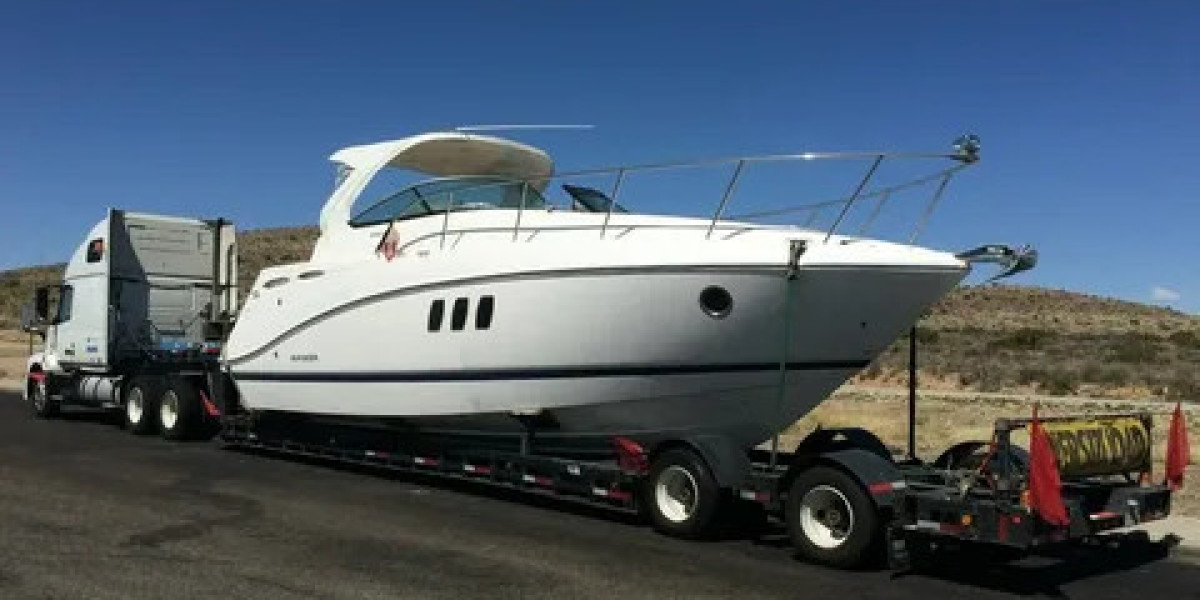

Boat trailer transport plays a crucial role in the boating and marine industry, providing a practical and efficient way to move boats over land. Whether transporting a small fishing boat, a recreational speedboat, or a mid-sized yacht, using a boat trailer is often the most cost-effective and flexible solution. This article explores what boat trailer transport is, how it works, its benefits, challenges, safety considerations, and tips for choosing the right transport service.
What Is Boat Trailer Transport?
Boat trailer transport refers to the process of moving a boat over land using a specially designed trailer attached to a towing vehicle. These trailers are engineered to support the boat’s hull, distribute weight evenly, and secure the vessel during transit. Boat trailer transport is commonly used for short- and medium-distance moves, such as transporting boats between marinas, to repair facilities, to storage locations, or to new owners after a sale.
Types of Boat Trailers
Boat trailers come in various designs to accommodate different boat sizes and hull types. Bunk trailers support the hull with long, carpeted boards and are commonly used for larger boats. Roller trailers use multiple rollers that allow for easier loading and unloading, making them popular for smaller boats and frequent launches. Custom trailers may be required for unique hull shapes or heavier vessels, ensuring proper balance and support during transport.
How Boat Trailer Transport Works
The process begins with assessing the boat’s size, weight, and condition. The appropriate trailer is selected based on these factors. The boat is then carefully loaded onto the trailer, ensuring it is properly aligned and balanced. Straps, chains, and tie-downs are used to secure the boat firmly in place. Once secured, the trailer is attached to a suitable towing vehicle, and the transport begins following designated routes and safety regulations.
Benefits of Boat Trailer Transport
One of the main advantages of boat trailer transport is flexibility. Boats can be moved on demand without relying on water routes or weather conditions. It is often more affordable than other transport methods, especially for short distances. Trailer transport also allows owners to access inland locations that are not reachable by water. Additionally, it reduces engine wear, fuel costs, and exposure to harsh marine conditions that could occur during long sea journeys.
Safety Considerations
Safety is a critical aspect of boat trailer transport. Proper weight distribution is essential to prevent swaying or instability on the road. The trailer’s brakes, lights, tires, and hitch must be inspected before transport. Securing the boat correctly with high-quality straps and supports minimizes movement and potential damage. Drivers should be experienced in towing and aware of local transport regulations, speed limits, and road restrictions for oversized loads.
Legal and Regulatory Requirements
Boat trailer transport must comply with local and national transportation laws. These may include trailer registration, lighting and braking requirements, and permits for oversized or overweight loads. Some regions require escort vehicles for large boats. Ensuring compliance with these regulations not only avoids fines but also enhances safety for all road users.
Challenges in Boat Trailer Transport
Despite its advantages, boat trailer transport can present challenges. Large or heavy boats may exceed standard road limits, requiring special permits or equipment. Poor road conditions, tight turns, and low bridges can pose risks during transport. Weather conditions such as strong winds or heavy rain can also affect safety. Proper planning, route selection, and professional expertise help overcome these challenges.
Choosing a Boat Trailer Transport Service
Selecting the right transport service is essential for a smooth experience. Look for companies with experience in boat trailer transport and a strong reputation for safety and reliability. They should have appropriate equipment, insurance coverage, and knowledgeable staff. Clear communication about timelines, costs, and responsibilities helps ensure expectations are met. Reading reviews and requesting references can provide additional confidence in your choice.
Cost Factors
The cost of boat trailer transport depends on several factors, including distance, boat size and weight, trailer type, and any special requirements such as permits or escorts. Additional services like loading, unloading, or temporary storage may also affect pricing. While cost is important, it should not come at the expense of safety or professionalism.
Tips for Boat Owners
Before transport, remove loose items from the boat and secure hatches, covers, and accessories. Document the boat’s condition with photos for reference. Communicate clearly with the transport provider about any special features or concerns. Being prepared helps reduce risks and ensures a smoother transport process.
Conclusion
Boat trailer transport is a practical, efficient, and widely used method for moving boats over land. With the right equipment, experienced professionals, and proper planning, it offers a safe and cost-effective solution for boat owners and marine businesses alike. Understanding the process, benefits, and challenges helps ensure your boat arrives at its destination securely and in excellent condition.