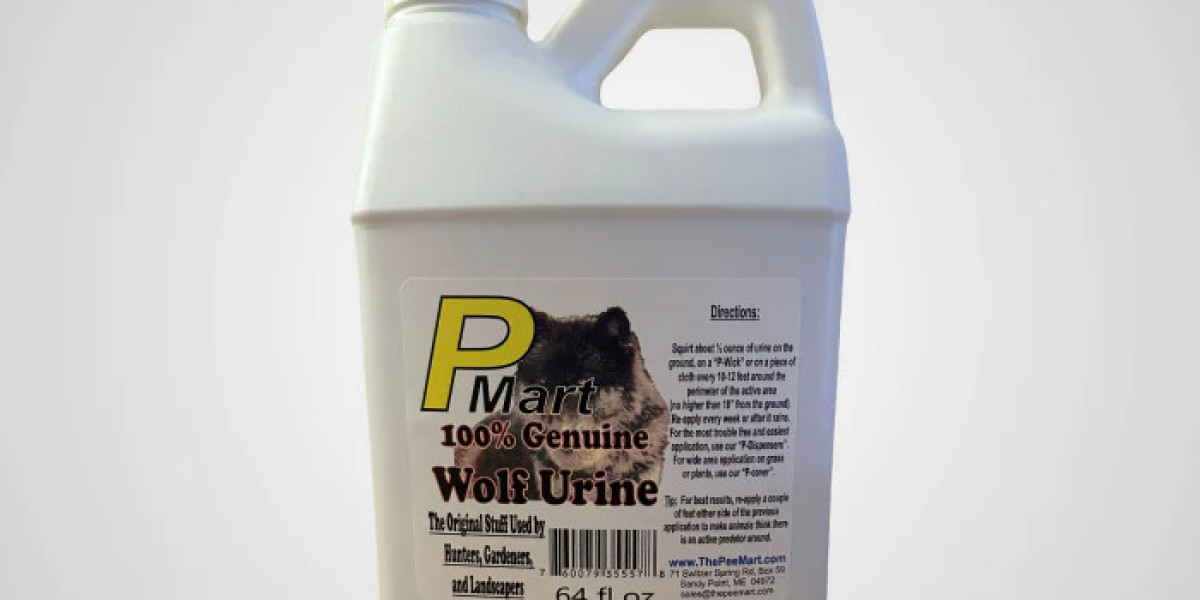

Wolf urine is a powerful, natural wildlife deterrent that has been used for decades by farmers, gardeners, and property owners to protect land from unwanted animal activity. Derived from one of nature’s top predators, wolf urine works by triggering a primal fear response in prey animals, signaling that a dangerous predator is nearby. This instinctive reaction encourages animals to avoid the area altogether, making wolf urine an effective, humane, and eco-friendly solution for wildlife control.
What Is Wolf Urine?
Wolf urine is exactly what the name suggests: urine collected from wolves, typically from licensed wildlife facilities. It is filtered and preserved to maintain its natural chemical compounds, particularly pheromones that communicate territorial dominance and predation risk. These scent markers are universally recognized by many prey species, even those that have never encountered a wolf directly.
Because wolves sit at the top of the food chain, their scent carries significant authority in the animal kingdom. Herbivores and small predators alike associate the smell with danger, causing them to flee or avoid marked areas.
How Wolf Urine Works
Animals rely heavily on scent for survival. When prey animals detect the scent of wolf urine, their instincts tell them they are within a predator’s territory. This activates a fight-or-flight response, with flight being the most common outcome.
Wolf urine does not trap, poison, or physically harm animals. Instead, it alters behavior through fear conditioning. Animals such as deer, rabbits, raccoons, groundhogs, skunks, coyotes, and even some rodents will often abandon feeding areas, gardens, and burrows once the scent is present.
The effectiveness lies in consistency. Reapplying wolf urine periodically helps maintain the illusion that a predator is actively patrolling the area.
Common Uses of Wolf Urine
Wolf urine is widely used in both rural and suburban settings due to its versatility. Common applications include:
Garden and Crop Protection: Prevents deer, rabbits, and groundhogs from eating plants, vegetables, and flowers.
Lawn and Yard Defense: Discourages digging, burrowing, and nesting.
Property Perimeter Control: Creates scent boundaries around fences, sheds, and buildings.
Livestock Protection: Helps deter predators like coyotes and foxes from approaching smaller farm animals.
Hunting and Wildlife Management: Used strategically to manipulate animal movement or discourage presence in certain zones.
Benefits of Using Wolf Urine
One of the greatest advantages of wolf urine is its natural and humane approach. Unlike traps or chemical repellents, it does not injure animals or disrupt ecosystems. Other key benefits include:
Eco-Friendly: Free from synthetic chemicals, making it safe for soil and plants.
Non-Toxic: Safe for humans and pets when used as directed.
Broad-Spectrum Deterrent: Effective against multiple species.
Easy Application: Can be sprayed, poured, or soaked into absorbent materials.
Long-Lasting: Maintains effectiveness for weeks, depending on weather conditions.
How to Apply Wolf Urine
Wolf urine can be applied in several ways, depending on the area and target animals:
Perimeter Marking: Apply small amounts every 10–15 feet around the area you want to protect.
Soaked Rags or Wicks: Hang urine-soaked cloths or scent wicks from stakes or branches.
Direct Ground Application: Pour lightly near burrows, trails, or entry points.
Spray Bottles: Ideal for targeted applications in gardens or near structures.
Reapplication is recommended every 2–4 weeks, or after heavy rain, to maintain potency.
Effectiveness and Limitations
While wolf urine is highly effective, results can vary based on factors such as animal pressure, food availability, and environmental conditions. In areas with heavy wildlife traffic or limited food sources, animals may take longer to respond or require higher application frequency.
It is also important to rotate deterrents occasionally. Combining wolf urine with other repellents, fencing, or habitat modification can improve long-term success.
Safety and Ethical Considerations
Wolf urine is considered safe when used properly. Users should avoid direct skin contact and wash hands after handling. Although non-toxic, it has a strong odor and should be stored securely away from children.
Ethically, wolf urine aligns with humane wildlife management principles. It respects natural animal behavior and avoids unnecessary harm, making it a preferred choice for environmentally conscious users.
Wolf Urine vs. Synthetic Repellents
Compared to synthetic chemical repellents, wolf urine offers a more authentic and instinct-driven solution. Synthetic products often rely on taste aversion or irritation, which animals may adapt to over time. Predator urine taps into deeply ingrained survival instincts that are far harder to ignore.
Additionally, wolf urine supports natural predator-prey dynamics rather than disrupting them, contributing to balanced wildlife management.
Conclusion
Wolf urine is a time-tested, natural deterrent that harnesses the power of nature to protect property and landscapes. By leveraging animals’ instinctive fear of predators, it provides an effective, humane, and environmentally friendly solution for wildlife control. Whether you’re safeguarding a garden, securing a farm, or maintaining a peaceful yard, wolf urine offers a practical alternative to harmful chemicals and invasive methods. With proper application and maintenance, it remains one of the most trusted tools for natural wildlife deterrence.