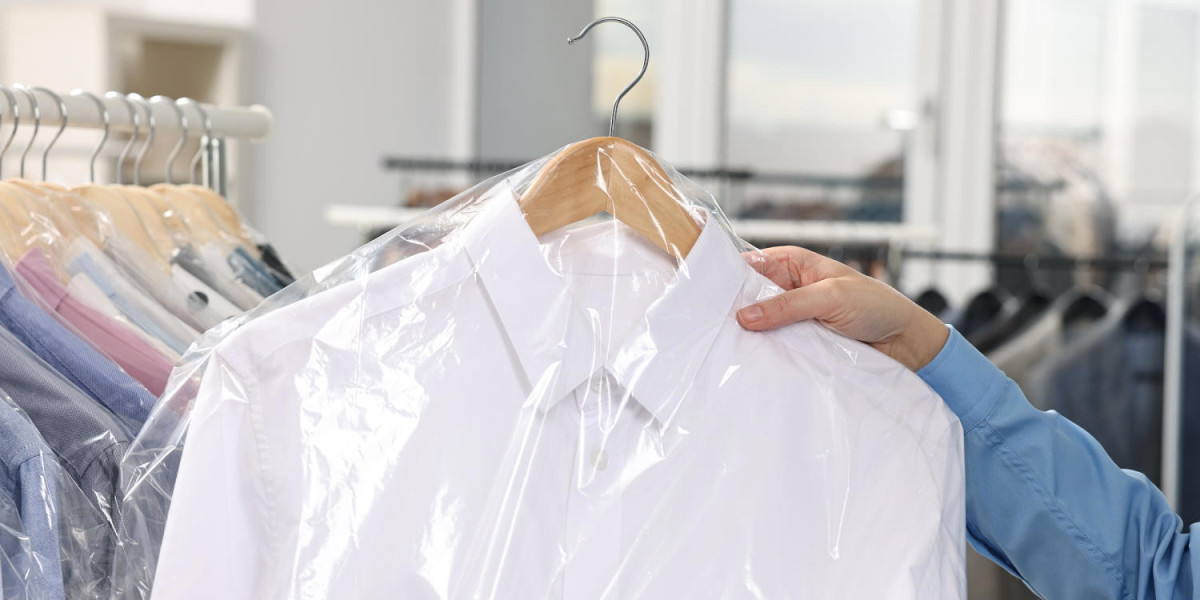

Dry cleaning is an essential garment-care service that plays a vital role in maintaining the quality, appearance, and longevity of clothing and textiles. Unlike traditional washing methods that use water and detergent, dry cleaning relies on specialized solvents to remove stains and dirt without damaging delicate fabrics. From business suits and evening gowns to household items like curtains and bedding, dry cleaning offers a safe and effective solution for items that require extra care.
What Is Dry Cleaning?
Despite its name, dry cleaning is not completely “dry.” Instead of water, it uses liquid chemical solvents to clean clothes. The most common solvent used historically has been perchloroethylene (often called “perc”), though many modern cleaners now use more environmentally friendly alternatives. These solvents dissolve oils, grease, and stains that water-based washing may struggle to remove. Because fabrics are not exposed to water, they are less likely to shrink, fade, or lose their shape.
How the Dry Cleaning Process Works
The dry cleaning process begins with garment inspection. Professionals check clothing for stains, fabric type, color fastness, and care labels. Stains are pre-treated using specialized solutions tailored to the fabric and type of stain. Once prepared, garments are placed in a dry cleaning machine, which resembles a large front-loading washer.
Inside the machine, clothes are gently agitated in the solvent, allowing dirt and oils to dissolve. The solvent is then filtered and recycled for reuse, making the process efficient. After cleaning, garments are dried within the same machine, pressed or steamed to remove wrinkles, and finally inspected for quality before being returned to the customer.
Fabrics That Benefit from Dry Cleaning
Dry cleaning is especially beneficial for delicate and high-value fabrics. Materials such as silk, wool, velvet, cashmere, linen, and rayon often respond poorly to water washing. Structured garments like suits, blazers, and coats rely on dry cleaning to maintain their shape and internal construction. Embellished or beaded garments, formal wear, and items with intricate details also benefit from professional dry cleaning, as home washing may cause damage or distortion.
Advantages of Dry Cleaning
One of the main advantages of dry cleaning is fabric preservation. Since water is not used, there is a reduced risk of shrinking, stretching, or color bleeding. Dry cleaning is also highly effective at removing oil-based stains such as grease, makeup, and body oils, which can be difficult to eliminate with standard detergents.
Another advantage is professional finishing. Garments are returned pressed, wrinkle-free, and ready to wear, saving customers time and effort. For busy professionals and households, dry cleaning provides convenience and consistent results that are difficult to achieve at home.
Dry Cleaning vs. Traditional Laundry
Traditional laundry uses water, detergent, and mechanical agitation to clean clothes. While it works well for everyday garments like cotton shirts and casual wear, it can be harsh on delicate fabrics. Dry cleaning, on the other hand, uses gentler methods and specialized solvents, making it ideal for items requiring extra care.
However, dry cleaning is typically more expensive than regular laundry and may not be necessary for all clothing. Understanding garment care labels and knowing when to choose dry cleaning versus home washing can help balance cost and clothing longevity.
Environmental Considerations
Environmental impact has been a concern in the dry cleaning industry, particularly with the use of perchloroethylene. While effective, perc can be harmful to the environment and human health if not handled properly. In response, many dry cleaners have adopted greener alternatives such as hydrocarbon solvents, silicone-based cleaning, liquid carbon dioxide, and wet cleaning systems.
Eco-friendly dry cleaning methods reduce chemical exposure, improve air quality, and offer a safer option for customers and workers alike. Consumers increasingly seek out cleaners that prioritize sustainability and responsible waste management.
Common Myths About Dry Cleaning
A common misconception is that dry cleaning damages clothes over time. In reality, professional dry cleaning often extends the life of garments by preventing fiber damage and maintaining structure. Another myth is that dry cleaning removes all stains automatically. While highly effective, some stains—especially old or set-in ones—may require multiple treatments or may not be fully removable.
Some people also believe dry cleaning is only for luxury clothing. While it is ideal for high-end items, dry cleaning is also practical for workwear, uniforms, and household textiles that benefit from professional care.
Choosing a Reliable Dry Cleaner
Selecting the right dry cleaning service is important for garment care. A reputable dry cleaner will have knowledgeable staff, transparent pricing, and clear communication about stain removal and garment limitations. Clean facilities, modern equipment, and attention to detail are signs of quality service.
Customer reviews, turnaround time, and additional services such as alterations, pickup, and delivery can also influence your choice. Building a relationship with a trusted dry cleaner ensures consistent results and personalized care for your wardrobe.
Tips for Maximizing Dry Cleaning Results
To get the most from dry cleaning, always point out stains to the cleaner and mention what caused them. Avoid leaving stains untreated for long periods, as fresh stains are easier to remove. Check pockets before dropping off garments and read care labels to understand recommended cleaning methods.
It is also wise to rotate clothing and avoid over-cleaning. Some garments do not need to be dry cleaned after every wear, especially if they are lightly used. Proper storage and occasional airing can reduce the frequency of cleaning while preserving fabric quality.
The Future of Dry Cleaning
The dry cleaning industry continues to evolve with advancements in technology and sustainability. Innovations in solvent systems, energy-efficient machines, and digital customer services are reshaping how cleaners operate. Many businesses now offer online booking, tracking, and home delivery, making dry cleaning more accessible than ever.
As consumers become more conscious of environmental impact and garment longevity, demand for high-quality, eco-friendly dry cleaning services is expected to grow. The focus is shifting toward safer chemicals, better waste management, and personalized customer experiences.
Conclusion
Dry cleaning remains an indispensable service for maintaining delicate, structured, and high-value garments. By using specialized solvents and professional techniques, it delivers superior cleaning results while preserving fabric integrity. Whether for business attire, formal wear, or household textiles, dry cleaning offers convenience, quality, and peace of mind. With ongoing improvements in sustainability and technology, dry cleaning continues to adapt to modern needs while upholding its core purpose: caring for clothes the right way.