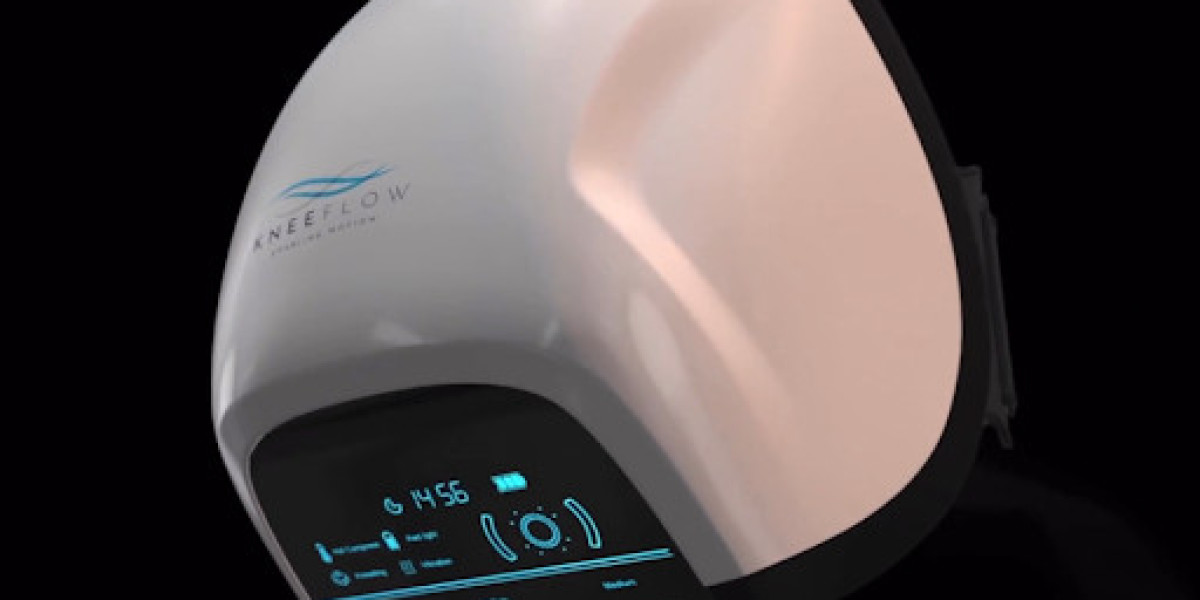

Arthritis has a way of sneaking up on you. One day stairs are fine. Next thing you know, you’re gripping the railing and moving sideways like it’s a puzzle. A lot of people hit that point and start looking for options beyond pills and braces. That’s usually when a knee massager machine for arthritis shows up in the search results. Sounds helpful. But does it actually do anything?
Short answer. Yeah, sometimes. Longer answer below.
Why Arthritis Pain Is Hard to Tame
Arthritis isn’t just pain. It’s stiffness, inflammation, and joints that don’t glide the way they used to. Cartilage wears down. Fluid builds up. Muscles tighten around the joint to protect it, which actually makes things worse.
That’s why relief can feel inconsistent. Ice helps one day, annoys you the next. Medication takes the edge off but doesn’t always touch stiffness. So the idea of a machine that works on circulation and movement sounds appealing.
But effectiveness depends on expectations. And how you use it.
What a Knee Massager Machine Is Supposed to Do
At its core, a knee massager machine for arthritis tries to improve how the joint feels and moves, not fix the joint itself. Important distinction.
Most machines combine three things: compression, vibration, and heat. Compression supports the joint and can reduce swelling. Vibration stimulates nerves and muscles, which can interrupt pain signals. Heat loosens tight tissue and increases blood flow.
Together, those effects can reduce discomfort and make movement easier. Especially after sitting too long or being on your feet all day.
Does Science Back This Up? Sort Of
There’s no single study saying knee massagers “cure” arthritis. That doesn’t exist. But heat therapy, massage, and compression are all well-established tools for managing joint pain.
When you stack them together, like many machines do, the benefits add up. People often report less stiffness and better mobility after regular use. Not permanent. But noticeable.
So when someone says a knee massager machine for arthritis helps them walk easier or sleep better, that’s believable. It lines up with how the body responds to these inputs.
Where Knee Massagers Tend to Help Most
Mid-stage arthritis is the sweet spot. When pain is frequent but the joint still moves.
This is where a knee massager can shine. It’s especially useful after activity. Long walks. Yard work. Standing all day at work. A short session afterward can calm things down.
In this middle zone, using a knee massager a few times a week can reduce flare-ups. It doesn’t erase pain, but it shortens how long pain hangs around.
That’s also when people start using a knee massager as part of a routine, not a last resort.
When They Don’t Help Much
Let’s be blunt. Severe arthritis doesn’t respond the same way.
If the joint is badly damaged, swollen constantly, or bone-on-bone, a machine won’t do much. It may provide temporary comfort, but it won’t change function.
That doesn’t mean it’s useless. Just limited. At that stage, it’s more about comfort than improvement.
Anyone expecting dramatic results from a knee massager machine for arthritis at that point will probably be disappointed.
Using a Knee Massager the Right Way
This is where people mess up.
They crank the settings too high. More vibration, more heat, longer sessions. That can backfire. Overstimulation irritates joints and surrounding tissue.
Start low. Ten to fifteen minutes. See how your knee responds the next day.
A knee massager works best when used consistently, not aggressively. Think maintenance, not rescue mission.
And timing matters. Many people prefer evening use to relax stiff joints before bed. Others use it in the morning to loosen things up. There’s no single right answer.
Features That Actually Matter
You don’t need every bell and whistle.
Adjustable intensity is key. So is adjustable heat. Arthritis pain changes day to day. Fixed settings don’t cut it.
Fit matters more than people think. If the machine doesn’t sit right, pressure ends up in the wrong spots. That’s uncomfortable and ineffective.
Battery life and ease of use also count. If it’s annoying to set up, you’ll stop using it. And then it doesn’t matter how good it is.
A decent knee massager should feel simple. Turn it on. Relax. That’s it.
So, Are They Effective?
Yes, with caveats.
A knee massager machine for arthritis can reduce pain, stiffness, and recovery time. It can help you stay active longer and rely less on medication. That’s real value.
But it’s not a cure. It won’t rebuild cartilage or reverse joint damage. It works best as part of a bigger approach that includes movement, strength, and basic joint care.
Final Thoughts
Knee massager machines live in the gray area between medical device and comfort tool. And that’s okay.
Used correctly, they offer real relief for a lot of people dealing with arthritis. Not dramatic. Not instant. Just steady help where you need it.
If your knees are slowing you down and you want something natural, practical, and low-risk, a knee massagers might be worth trying. Just keep expectations grounded. Relief is the goal. Not perfection.