
How to Remove Old Scars: Complete Dermatologist-Approved Guide
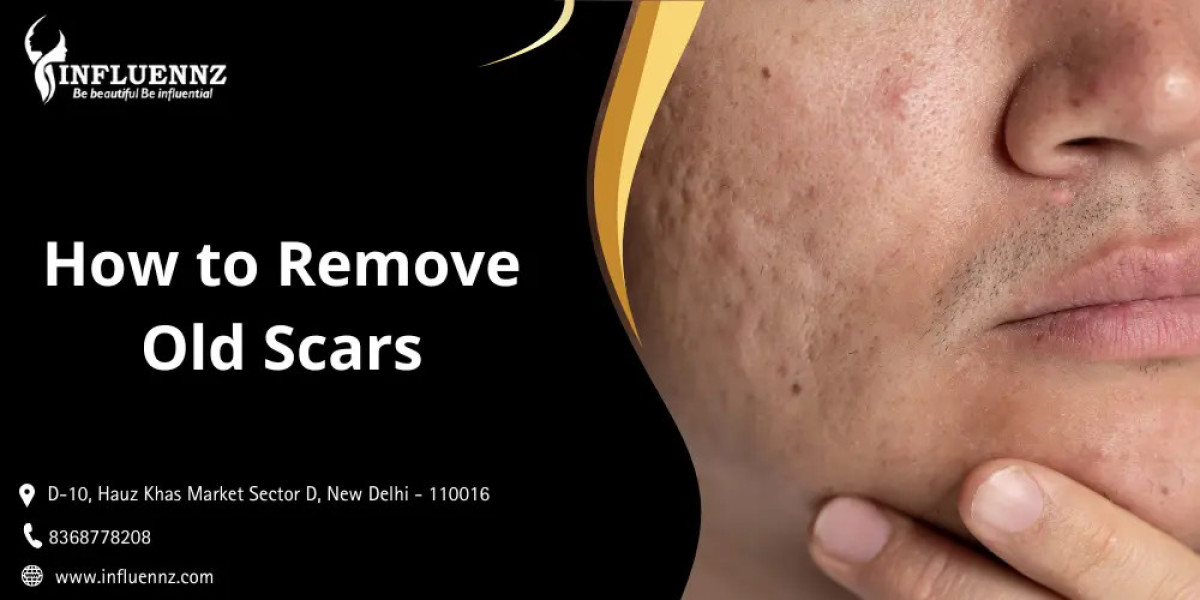
Scars are a natural part of the healing process, but when they remain visible for years, they can affect confidence and skin appearance. Many people struggle with acne scars, surgical scars, injury marks, or burn scars and often wonder how to remove old scars safely and effectively. While completely erasing scars may not always be possible, modern dermatology offers several advanced treatments that can significantly fade and smooth old scars.
This blog explains why old scars are difficult to treat, what solutions actually work, and how expert dermatological care can help you achieve visible improvement.
Why Are Old Scars Harder to Remove?
Old scars differ from fresh scars because the skin has already completed its healing cycle. Over time:
Collagen becomes rigid and uneven
Pigmentation settles deeply
Skin texture changes permanently
Unlike fresh scars, old scars don’t respond well to home remedies or over-the-counter creams. This is why professional dermatological treatments are often required.
Types of Old Scars
Understanding the type of scar helps determine the right treatment:
1. Atrophic Scars
Common with acne or chickenpox
Appear as depressions or pits
Include ice-pick, boxcar, and rolling scars
2. Hypertrophic Scars
Raised and thick
Often caused by injuries or surgeries
3. Keloid Scars
Extend beyond the original wound
Often itchy or painful
4. Pigmented Scars
Dark or uneven skin tone
Common after acne or inflammation
Each scar type needs a customized treatment plan.
Can Old Scars Be Removed Completely?
Dermatologists aim to significantly reduce the appearance of scars rather than promise complete removal. With the right combination of treatments, old scars can become:
Lighter in color
Smoother in texture
Less noticeable
Blended with surrounding skin
This realistic approach ensures safe and long-lasting results.
Effective Dermatological Treatments for Old Scars
If you’re searching for how to remove old scars, the following dermatologist-approved treatments are proven to work:
1. Laser Scar Treatment
Laser technology breaks down scar tissue and stimulates collagen production. It helps:
Improve texture
Reduce pigmentation
Smooth depressed scars
Multiple sessions may be required depending on scar depth.
2. Microneedling with RF
Tiny needles create micro-injuries that trigger skin repair. This treatment:
Improves collagen and elastin
Reduces acne and surgical scars
Enhances skin texture
When combined with radiofrequency, results are even more effective.
3. Chemical Peels
Medical-grade peels exfoliate damaged layers and promote new skin growth. Best for:
Pigmented scars
Superficial acne marks
Uneven skin tone
4. PRP (Platelet-Rich Plasma) Therapy
PRP uses your own blood growth factors to repair damaged skin. It:
Accelerates healing
Improves skin quality
Enhances results of microneedling or lasers
5. Steroid Injections
Used mainly for hypertrophic and keloid scars. They:
Flatten raised scars
Reduce redness and itching
Prevent scar overgrowth
6. Dermal Fillers
Fillers can temporarily raise depressed scars, making them less visible. Often used for deep acne scars.
Home Remedies: Do They Work for Old Scars?
Natural remedies like aloe vera, vitamin E, onion extract, or coconut oil may help moisturize skin, but they cannot remove old scars. These methods work best on fresh wounds, not scars that are years old.
Relying only on home remedies often delays effective treatment.
Why Dermatologist Expertise Matters
Scar treatments are medical procedures that require:
Correct diagnosis
Proper machine settings
Safe combination therapies
Long-term skin planning
Incorrect treatments can worsen scars or cause pigmentation issues, especially on Indian skin.
Dr. Geetika Srivastava (MD, AIIMS): Trusted Expertise in Scar Management
When it comes to managing old scars safely and scientifically, Dr. Geetika Srivastava (MD, AIIMS) is known for her evidence-based and patient-focused approach.
Why Patients Trust Her:
AIIMS-trained dermatologist with strong academic background
Specializes in advanced laser and scar treatments
Custom treatment plans for different scar types
Focuses on natural-looking skin improvement
Prioritizes long-term skin health over quick fixes
Her approach ensures gradual, safe, and visible improvement rather than unrealistic promises.
How Many Sessions Are Needed?
The number of sessions depends on:
Type of scar
Age of scar
Skin type
Treatment method
Typically:
Mild scars: 3–4 sessions
Moderate scars: 5–6 sessions
Deep scars: Combination therapy over several months
Consistency is key for best results.
Aftercare Tips for Better Results
To maintain results:
Use sunscreen daily
Avoid picking or scratching scars
Follow dermatologist-recommended skincare
Stay hydrated
Avoid unprescribed treatments
Proper aftercare enhances treatment success significantly.
Final Thoughts
If you’ve been wondering how to remove old scars, the answer lies in modern dermatology, not shortcuts. While scars may not vanish overnight, advanced treatments can dramatically improve skin texture, tone, and confidence.
With expert care from experienced professionals like Dr. Geetika Srivastava (MD, AIIMS), scar treatment becomes safer, more effective, and tailored to your skin’s unique needs.