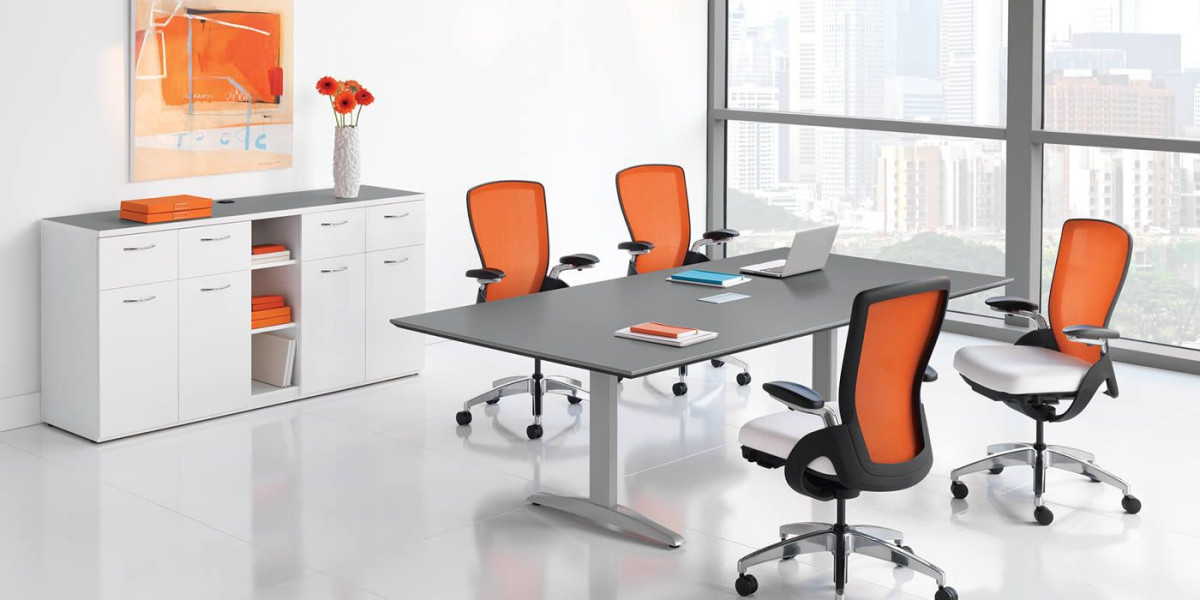

Creating an effective workspace starts with a thoughtful office table design. The right office table not only provides functionality but also influences productivity, creativity, and employee well-being. An ideal office table combines aesthetics with practicality, ensuring that professionals can work comfortably while maintaining an organized environment. Choosing the correct table design involves considering dimensions, ergonomics, storage solutions, and material quality. For instance, a sleek wooden table can provide warmth and sophistication, while metal or glass tables convey modernity and minimalism. In today’s competitive corporate world, investing in a well-designed office table reflects a company’s commitment to quality, employee satisfaction, and professional image.
Key Features to Consider in Office Table Design
When selecting an office table, there are several essential features to evaluate. Ergonomics is one of the top considerations—tables must accommodate various working styles and support healthy posture. Adjustable height tables are increasingly popular, allowing users to switch between sitting and standing positions, which reduces fatigue and improves focus. Storage is another critical feature; integrated drawers, shelves, and cable management systems keep workspaces neat and clutter-free. Material choice impacts both durability and style—wood offers timeless elegance, metal provides sturdiness, and glass adds a touch of modern sophistication. Finally, the table’s shape and size should match the office layout. L-shaped tables suit corner offices, while rectangular tables are ideal for collaborative spaces.
Popular Office Table Design Trends
Modern work environments are evolving, and so are office table designs. Minimalist designs dominate, emphasizing clean lines, neutral colors, and multipurpose functionality. Collaborative tables with integrated technology are gaining popularity in open office setups, allowing teams to work together seamlessly. Standing desks and modular office tables are becoming staples for flexible workspaces, enabling employees to adapt their environment according to changing tasks. Biophilic design elements, such as tables with natural wood finishes or built-in planters, are also on the rise, promoting a sense of calm and improving mental well-being. Understanding these trends helps organizations create offices that are visually appealing, functional, and supportive of employee performance.
How to Choose the Right Office Table
Choosing the perfect office table requires careful consideration of various factors. Start by assessing the purpose: Is the table for individual work, meetings, or collaborative projects? Next, evaluate the available space and traffic flow to ensure the table fits comfortably without obstructing movement. Consider ergonomics to avoid strain—tables should allow for proper seating posture and enough legroom. Storage needs are crucial, as clutter-free tables enhance focus and efficiency. Material and finish should match the office decor and withstand daily wear. Investing time in selecting the right office table ensures long-term satisfaction and a professional-looking workspace that inspires productivity.
Benefits of a Well-Designed Office Table
A well-thought-out office table design provides multiple benefits. Firstly, it enhances productivity by creating an organized and comfortable work area. Employees can focus better when essential tools are within reach and the workspace is visually appealing. Secondly, it contributes to employee health by promoting proper posture and reducing physical strain. Thirdly, a stylish table reflects a company’s culture and professionalism, leaving a positive impression on clients and visitors. Moreover, flexible tables that support multiple working positions improve adaptability in dynamic office environments. Ultimately, a quality office table is an investment in both functionality and aesthetics.
Tips for Maintaining Your Office Table
Maintaining an office table is essential for longevity and appearance. Regular cleaning with suitable materials preserves the finish and prevents damage. Avoid placing heavy objects or sharp items directly on the surface to minimize scratches and dents. For wooden tables, occasional polishing or conditioning helps maintain their natural look. For glass tables, use non-abrasive cleaners to avoid streaks and scratches. Also, ensure proper cable management and organization to prevent clutter and wear. By caring for your office table, you extend its lifespan and keep your workspace inviting and professional.
Customizing Office Table Design for Your Needs
Modern workplaces increasingly opt for customized office table designs to meet specific requirements. Custom tables allow businesses to optimize space, accommodate specialized equipment, and incorporate branding elements. For instance, a company can choose the table’s material, color, size, and storage configuration to align with its aesthetic and functional needs. Adjustable tables, modular systems, and integrated technology options offer flexibility for a variety of tasks. Custom designs also enhance collaboration in open-plan offices by creating configurations that suit team workflows. Investing in tailored office tables ensures that each workspace maximizes comfort, efficiency, and style.
The Future of Office Table Design
The future of office table design revolves around flexibility, technology integration, and sustainability. With hybrid work models, tables will need to support multiple functions—from individual tasks to collaborative projects. Smart tables with built-in charging ports, wireless charging pads, and IoT connectivity are becoming more common. Sustainability is another critical trend, with eco-friendly materials and modular designs allowing offices to reduce waste while maintaining modern aesthetics. The emphasis will be on creating adaptable, comfortable, and technologically advanced office environments that cater to evolving work practices.
Conclusion
Investing in the right office table is essential for creating a productive, comfortable, and visually appealing workspace. From ergonomics to material choice, storage options, and modern design trends, every element contributes to a better work experience. Whether selecting standard models or customized solutions, thoughtful planning ensures maximum functionality and style. Businesses looking to elevate their office environment should explore innovative office table design solutions offered by Modern office table designs, which combine aesthetics, practicality, and long-term value.