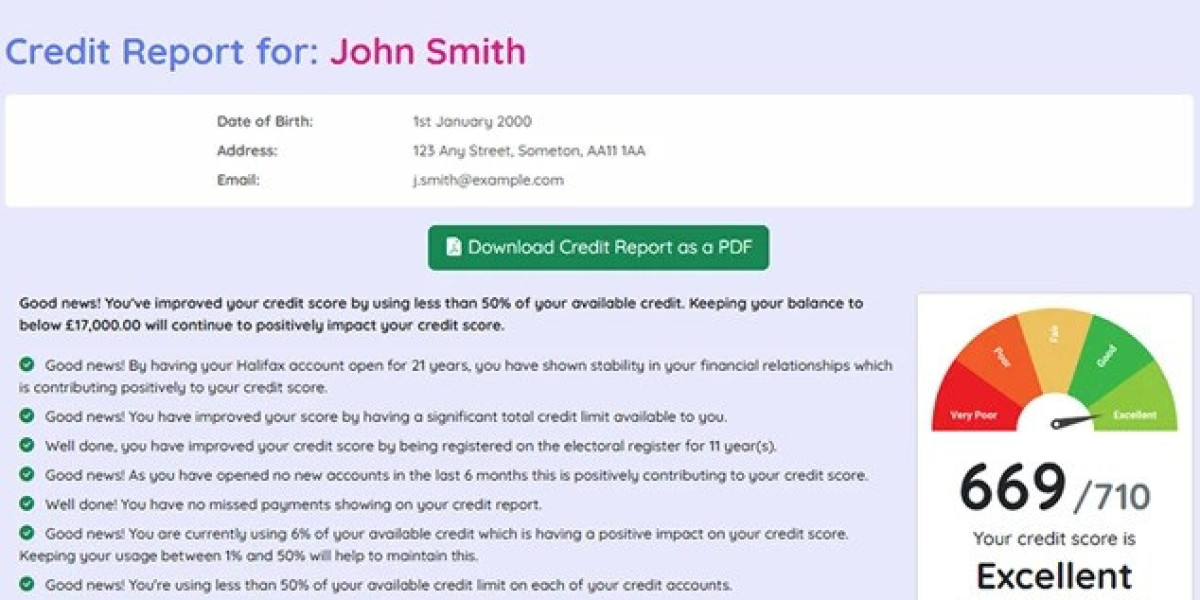

Understanding your financial health starts with one crucial step — knowing your credit score. Whether you’re applying for a mortgage, car finance, a personal loan, or even a mobile phone contract, lenders in the UK rely heavily on your credit score to decide whether to approve your application. If you’ve ever wondered how to check credit score in the UK and why it matters so much, this guide covers everything you need to know.
Why Your Credit Score Matters in the UK
Your credit score is a numerical representation of your financial reliability. It tells lenders how likely you are to repay borrowed money on time. In the UK, a good credit score can unlock better interest rates, higher credit limits, and faster approval for financial products. On the other hand, a low score can result in rejected applications or costly borrowing terms.
Credit scores also affect non-banking services. Utility companies, landlords, and mobile network providers may review your credit history before approving contracts. That’s why keeping track of your score is essential for overall financial wellbeing.
How Credit Scores Work in the UK
In the UK, three main credit reference agencies calculate your credit score:
Experian
Equifax
TransUnion
Each agency collects financial data from banks, lenders, and service providers. Because they may hold slightly different information, your score can vary between agencies. However, they all assess similar factors, including:
Payment history
Credit utilisation (how much credit you use vs. available limit)
Length of credit history
Recent credit applications
Types of credit accounts
Understanding these factors helps you improve your score over time.
How to Check Credit Score in the UK for Free
Checking your credit score in the UK is easier than ever. Several trusted platforms offer free access without harming your score. Popular options include:
Experian Free Credit Score
ClearScore (Equifax data)
Credit Karma (TransUnion data)
MoneySavingExpert Credit Club
To check your score, you’ll typically need to provide basic personal details such as your name, address, and date of birth. Once verified, you’ll receive instant access to your credit report and score.
The best part? Checking your own credit score is considered a “soft search,” meaning it won’t impact your rating at all.
What Is a Good Credit Score in the UK?
Each credit agency uses its own scoring range, but generally:
Excellent: Higher likelihood of approval and best rates
Good: Access to most credit products
Fair: Limited options with higher interest
Poor: Difficult to get approved
Knowing where you stand allows you to take action if improvement is needed before applying for major financial products.
Common Reasons for a Low Credit Score
Many people are surprised to find their credit score lower than expected. Common causes include:
Late or missed payments
High credit card balances
Multiple recent credit applications
No credit history
Errors on your credit report
Fortunately, most of these issues can be fixed with time and good financial habits.
Tips to Improve Your Credit Score
If your score needs a boost, consider these practical steps:
Pay all bills on time
Keep credit card balances low
Avoid applying for multiple credit products at once
Register on the electoral roll
Regularly review your credit report for errors
Small improvements consistently applied can significantly raise your score over a few months.
How Often Should You Check Your Credit Score?
It’s a good habit to check your credit score at least once every few months. Regular monitoring helps you:
Detect identity fraud early
Track progress in improving your score
Prepare before applying for loans or mortgages
Because free platforms update monthly, you can easily stay informed without cost.
Conclusion
Learning how to check credit score in the UK is one of the smartest financial steps you can take. Your credit score influences major life decisions — from buying a home to securing everyday services. By checking your score regularly, understanding what affects it, and making positive financial choices, you can build strong credit and unlock better financial opportunities. Take control today — your future financial confidence starts with knowing your number.