
Egypt holds a legendary status in the textile world. For centuries, "Egyptian Cotton" has served as a benchmark for quality, softness, and durability. But for modern fashion brands, Egypt offers more than just raw material; it provides a robust infrastructure for garment manufacturing.
Finding the right production partner in this region can transform your supply chain. This guide breaks down the landscape of cotton fabric garmenting in Egypt, key manufacturing hubs, and what you need to look for in a partner.
Why Egypt Remains a Textile Powerhouse
Egypt isn't just relying on history. The country actively modernizes its textile sector to compete on a global scale. The government has invested heavily in new machinery and infrastructure, aiming to quadruple textile exports.
For fashion brands, this creates a unique opportunity. You get access to premium raw materials right at the source, combined with skilled labor and favorable trade agreements. Egypt’s strategic location bridges Africa, the Middle East, and Europe, allowing for shorter shipping times compared to East Asian competitors.
When you source here, you tap into a vertically integrated supply chain. Many Egyptian facilities handle everything from spinning and weaving to the final cut-and-sew process. This integration reduces lead times and improves quality control.
Understanding Cotton Fabric Garmenting Services
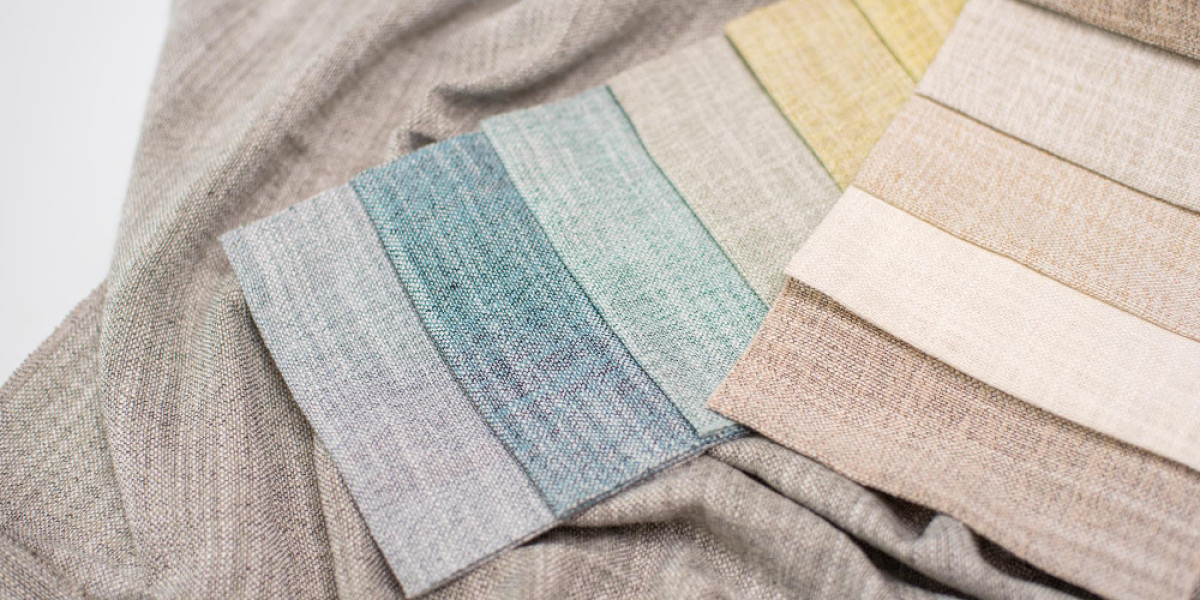
Cotton fabric garmenting involves the entire process of converting cotton fabric into finished apparel. This includes cutting, sewing, finishing, and packaging. In Egypt, manufacturers specialize in various techniques suited for different market segments, from high-end luxury basics to mass-market retail.
Knit vs. Woven Capabilities
Egyptian factories generally excel in two main categories:
Knits: This includes t-shirts, polo shirts, and activewear. The natural softness of Egyptian cotton makes it the ideal fiber for these next-to-skin items.
Woven Fabric Garmenting: This sector covers dress shirts, denim, trousers, and bed linen. Woven garmenting requires precise tailoring and high-quality finishing. Egyptian manufacturers have a strong reputation for producing high-thread-count woven goods that retain their structure and sheen over time.
Key Manufacturing Hubs in Egypt
To find the right partner, you need to know where to look. Egypt’s textile industry clusters in specific zones, each with its own strengths.
1. Greater Cairo
Cairo hosts a massive concentration of garment factories. The Shoubra El-Kheima area is particularly dense with textile operations. Here, you will find a mix of large-scale industrial exporters and smaller, artisanal workshops. Cairo is excellent for brands looking for variety and easy access to international shipping routes via air freight.
2. Alexandria
As Egypt's main port city, Alexandria is a logistics dream for export-oriented businesses. The Borg El Arab industrial zone is home to many large garment manufacturing facilities that produce for major European and American retailers. If your focus is on woven fabric garmenting and large volume orders, Alexandria is a prime location.
3. Port Said
Located at the northern end of the Suez Canal, Port Said is a dedicated Free Zone. Manufacturers here enjoy various tax exemptions and customs benefits, which often translates to competitive pricing for buyers. The region specializes in heavy-duty garment production, including denim and workwear.
4. Mahalla Al-Kubra
Known as the heart of Egypt's textile industry, Mahalla houses the largest spinning and weaving factories in the country. While it is historically known for raw fabric production, many companies here have expanded into full-package garmenting. If you need vertical integration—where the factory makes the fabric and the shirt—Mahalla is the place to start.
Factors to Consider When Choosing a Service
Selecting a manufacturer is a strategic decision. A wrong choice leads to delays and quality issues. A right choice builds a partnership that fuels growth. Evaluate potential partners on these criteria:
Minimum Order Quantity (MOQ)
Egypt offers flexibility, but large factories often have high MOQs (often 1,000+ pieces per style). If you are a startup or a boutique brand, you need a partner who supports lower volumes. Companies like Fabriclore Pvt Ltd bridge this gap effectively, offering customized fabric design and garmenting solutions even at low MOQs.
Quality Certifications
Verify that the factory meets international standards. Look for certifications like ISO 9001 for quality management or WRAP (Worldwide Responsible Accredited Production) for ethical labor practices. If you are marketing your product as sustainable or organic, ensure the facility has GOTS (Global Organic Textile Standard) certification.
Vertical Integration vs. Cut, Make, Trim (CMT)
Decide what level of service you need.
CMT (Cut, Make, Trim): You supply the fabric and designs; the factory sews it. This gives you control over materials but requires more logistics management.
Full Package: The factory sources the fabric (often weaving it themselves), creates patterns, and handles production. This is generally more efficient for brands managing remote operations.
Lead Times and Logistics
Ask for specific timelines. While Egypt is closer to Europe and the US than Asian counterparts, bureaucracy can sometimes slow things down. A reliable partner will provide transparent schedules and handle export documentation efficiently.
Fabriclore Pvt Ltd: Your Strategic Manufacturing Partner
Finding a factory that balances quality, speed, and flexible MOQs can be difficult. Fabriclore Pvt Ltd stands out as a premier solution for fashion brands navigating this landscape.
Fabriclore simplifies sourcing by combining technology with textile expertise. They are trusted by over 400 private labels globally because they solve the most common pain points in fashion sourcing:
Customization: They deliver fully customized fabric designs, dyeing, and printing.
Low MoQ: Unlike massive industrial giants that ignore small orders, Fabriclore supports brands of all sizes.
Transparency: Their tech-enabled platform ensures you know exactly where your order stands, offering exceptional delivery transparency.
Whether you need intricate woven fabric garmenting or high-quality cotton basics, Fabriclore connects you with the right capabilities while managing the quality assurance process.
The Future of Sourcing in Egypt
Egypt offers a compelling mix of heritage and modernization. The availability of high-grade cotton, combined with a skilled workforce and strategic trade location, makes it a top contender for garment manufacturing.
By focusing on the right regions—like Cairo or Alexandria—and vetting partners based on their certifications and production capabilities, you can build a resilient supply chain. Whether you choose a direct relationship with a local factory or partner with a managed solution like Fabriclore Pvt Ltd, sourcing from Egypt positions your brand to deliver high-quality, authentic cotton products to your customers.