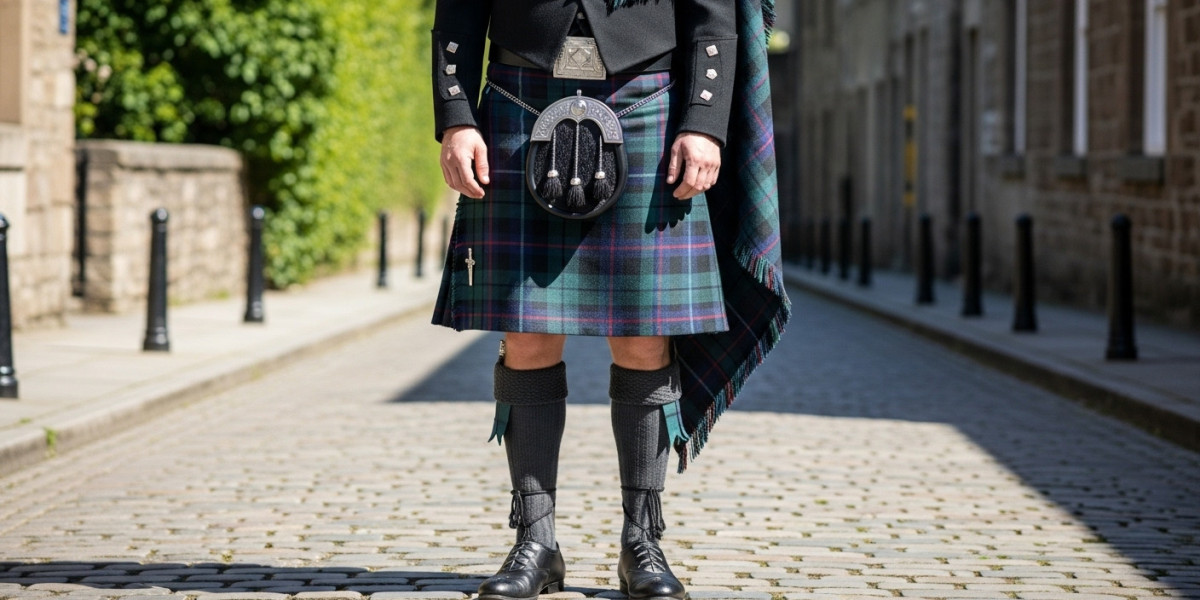

There's something undeniably striking about a man in a kilt. Whether you've seen them at weddings, Highland games, or even on city streets, kilts command attention and respect. But if you're new to this iconic garment, the idea of wearing one might seem a bit intimidating. How do you put it on? What goes with it? And most importantly, how do you wear it without looking like you're playing dress-up?
Don't worry. This guide will walk you through everything you need to know about wearing a great kilt the traditional way, while also exploring how this centuries-old garment has evolved to fit modern lifestyles.
The Cultural Legacy of the Kilt
Before we dive into the how-to, it's worth understanding what you're actually wearing. The great kilt, or féileadh mòr in Scottish Gaelic, has been part of Highland culture since at least the 16th century. Originally, it was a practical piece of clothing, essentially a large blanket that could be belted around the waist and draped over the shoulder, providing warmth and freedom of movement in the rugged Scottish terrain.
Traditional kilts weren't just fashion statements. They were clan identifiers, with specific tartan patterns representing different families and regions. Wearing your clan's tartan was a source of pride, a visual declaration of your heritage and loyalty.
Today, kilts have transcended their Scottish origins. While they remain deeply connected to Celtic culture, they've become symbols of individuality, craftsmanship, and timeless style. Whether you have Scottish ancestry or simply appreciate the garment's aesthetic, wearing a kilt connects you to a rich tradition of artisanship and cultural pride.
Choosing the Right Kilt for Different Occasions
Not all kilts are created equal, and choosing the right one depends on where and when you plan to wear it.
Formal Traditional Kilts
For weddings, ceilidhs, or Highland games, you'll want an authentic wool kilt in a traditional tartan pattern. These are typically eight-yard kilts made from high-quality worsted wool, with pleats carefully sewn to display the tartan pattern beautifully. The weight and drape of a proper wool kilt simply can't be replicated by cheaper alternatives.
When selecting a tartan, consider whether you have a family connection to a specific clan. If you do, wearing that tartan is a meaningful way to honor your heritage. If not, don't stress, many tartans are considered universal and appropriate for anyone to wear. District tartans, national tartans like the Scottish National or Black Watch, and fashion tartans are all fair game.
Casual Kilts for Everyday Wear
Maybe you're not preparing for a formal event. Perhaps you just want to incorporate kilts into your regular wardrobe. That's where casual kilts come in. These are typically made from lighter-weight fabrics, sometimes cotton or poly-cotton blends, making them more affordable and easier to care for than their formal counterparts.
Casual kilts are perfect for festivals, pub outings, or just expressing your personal style on a Saturday afternoon. They offer the same freedom of movement and distinctive look without the formality or the price tag of traditional wool kilts.
Modern Adaptations for Active Lifestyles
One of the most exciting developments in kilt culture is the emergence of practical, activity-specific designs. If you enjoy outdoor adventures, you might want to explore a men's hiking kilt designed specifically for trails and rugged terrain. These innovative garments combine the traditional kilt silhouette with modern performance fabrics, cargo pockets, and weather-resistant materials, proving that kilts aren't just for ceremonies; they're genuinely functional clothing for active people.
Getting the Perfect Fit and Comfort
A well-fitted kilt is crucial for both appearance and comfort. Unlike pants, kilts don't have much room for error in sizing.
Measuring for Your Kilt
The most important measurements are:
Waist: Measure where you'll actually wear the kilt, typically around your natural waist or slightly below your belly button
Hip: Measure around the fullest part of your hips
Length: From the top of where the kilt will sit to the center of your kneecap
Getting the length right is particularly important. The traditional rule is that the bottom edge should hit the middle of your kneecap when you're standing straight. Too long looks sloppy; too short looks, well, awkward.
Comfort Considerations
Quality kilts feature adjustable straps and buckles, allowing you to fine-tune the fit. The kilt should feel snug around your waist without cutting into your sides. You should be able to walk, sit, and move freely.
Here's an insider tip: traditional kilt wearers know that the garment sits higher on the waist than modern pants. This takes some getting used to, but once you adjust, you'll find it's actually quite comfortable. The high waist provides excellent support and freedom of movement.
How to Style a Kilt Traditionally
Now for the main event, actually wearing the kilt properly.
The Traditional Assembly
A full Highland dress involves several components working in harmony:
The Kilt Itself: This is your foundation. When putting it on, wrap it around your body from left to right (the opposite of how women's clothing typically fastens). Adjust it to the proper height, then secure the straps.
The Sporran: This leather pouch serves as your pocket and hangs at the front of your kilt, suspended from a chain or strap around your waist. Position it so it sits flat against your kilt, centered about a hand's width below your waist.
The Kilt Pin: Contrary to popular belief, the kilt pin isn't meant to hold your kilt closed; it's decorative and helps weigh down the outer apron to prevent it from blowing up in the wind. Attach it to the outer layer only, about four inches up from the bottom edge and four inches in from the edge.
Kilt Hose and Flashes: These knee-high socks, traditionally worn with colorful garter flashes tucked into the turnover, complete the leg coverage. Wear them pulled up to just below your knee, with about an inch of turnover.
The Question Everyone Asks
Yes, we need to address it: traditionally, nothing is worn under a kilt. This practice has practical origins; it reduced chafing and allowed for maximum freedom of movement. That said, in modern times, this is entirely a personal choice. Many people wear compression shorts or similar undergarments, especially for active occasions. Do what makes you comfortable and confident.
Accessories and Footwear That Complete the Look
The right accessories elevate a kilt from costume to outfit.
Essential Kilt Accessories
Kilt Belt: A wide leather belt, often embossed or decorated, helps define your waist and adds visual interest. Traditional belts feature large decorative buckles.
Ghillie Brogues: These are the traditional shoes for formal kilt wear. They're leather shoes with long laces that wrap around the ankle, designed originally to let water drain out when crossing streams.
Prince Charlie Jacket or Argyll Jacket: For formal events, pair your kilt with one of these traditional jackets. The Prince Charlie is the more formal option, while the Argyll jacket works for semi-formal occasions.
Sgian Dubh: This small ceremonial knife tucks into your kilt hose, with just the handle visible. It's a symbol of Highland heritage and adds an authentic touch to formal wear.
Modern Footwear Options
While ghillie brogues are traditional, modern kilt styling has become more flexible. For casual occasions, clean leather boots, loafers, or even quality sneakers can work. The key is ensuring your footwear choice complements rather than clashes with your kilt's formality level.
Modern Adaptations and Casual Kilt Wear
The beauty of kilts today is their versatility. You don't need a formal occasion to wear one.
Casual Styling Ideas
Pair a casual kilt with:
A simple t-shirt or polo shirt
A button-down shirt, untucked for a relaxed vibe
A leather jacket for an edgier look
Work boots or hiking boots for a rugged aesthetic
Many modern kilt wearers have made the garment part of their everyday style, wearing it to work, social events, or just running errands. The key to pulling off casual kilt wear is confidence and complementary styling.
Outdoor and Activity Kilts
The emergence of outdoor kilts has opened up new possibilities for kilt enthusiasts. These modern interpretations maintain the essential kilt silhouette while incorporating practical features like:
Quick-drying, moisture-wicking fabrics
Cargo pockets for gear
Reinforced stitching for durability
Adjustable waistbands for comfort during activity
Whether you're hiking, camping, or attending an outdoor festival, these practical kilts prove that traditional garments can evolve without losing their essential character.
Tips for First-Time Kilt Wearers
If this is your first time wearing a kilt, here are some practical tips:
Start with a casual kilt: Don't invest in an expensive tartan wool kilt until you've experienced wearing one. A more affordable casual kilt lets you get comfortable with the garment.
Practice sitting: Sitting in a kilt takes a little technique. Smooth the back of your kilt under you as you sit to prevent it from riding up.
Walk with confidence: The most important accessory for any kilt is confidence. Own your look, and most people will respond positively.
Prepare for questions: Be ready to talk about your kilt, people will ask about it. Most questions come from genuine curiosity and admiration.
Your Journey into Kilt Wearing
Wearing a kilt is more than putting on different clothing; it's embracing a tradition that spans centuries while making it your own. Whether you're honoring your Scottish heritage, making a style statement, or simply seeking the comfort and freedom a kilt provides, you're joining a global community of kilt enthusiasts who appreciate craftsmanship, individuality, and tradition.
The best part? Getting started is easier than you might think. When you're ready to add this distinctive garment to your wardrobe, Shop Men's Kilts to explore options ranging from traditional tartan wool kilts to modern casual designs. With the right kilt and a bit of knowledge about how to wear it, you'll discover why this ancient garment has remained relevant and beloved for hundreds of years.