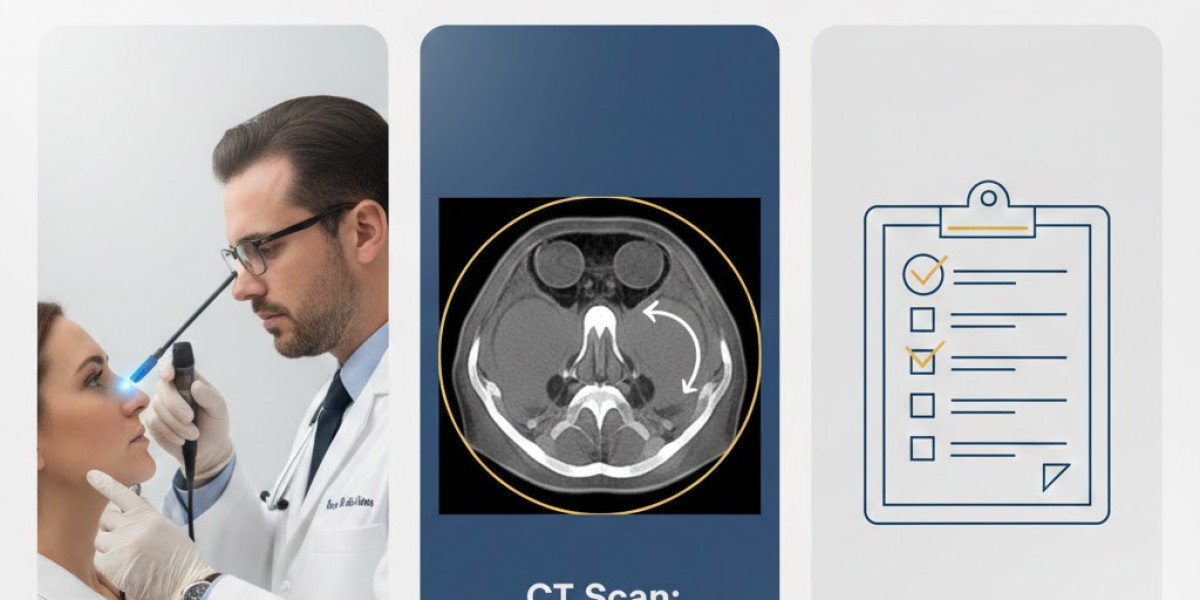

Breathing comfortably through the nose is something many people take for granted—until chronic congestion, facial pressure, snoring, or recurrent sinus infections begin to interfere with daily life. One of the most common structural causes of persistent nasal obstruction is a deviated septum. For patients considering a deviated septum consultation El Segundo, as well as those living in Beverly Hills and across Los Angeles, understanding how an accurate diagnosis is made is an important first step toward effective treatment.
This article explains the diagnostic process used by ENT specialists, including clinical evaluations, tests, and imaging, and how these tools help create a personalized treatment plan.
Understanding a Deviated Septum
The nasal septum is the thin wall of bone and cartilage that separates the left and right nasal passages. Ideally, it should be centered, allowing equal airflow through both sides of the nose. When the septum is crooked or displaced to one side, it is known as a deviated septum.
A deviated septum can be present from birth, develop during growth, or result from trauma such as a sports injury or accident. While some people have a deviation without symptoms, others experience:
- Chronic nasal congestion (often worse on one side)
- Difficulty breathing through the nose
- Frequent sinus infections
- Postnasal drip
- Nosebleeds
- Facial pressure or headaches
- Snoring or sleep disturbances
Because these symptoms overlap with allergies, sinus disease, and other nasal conditions, proper diagnostic testing is essential.
Why an Accurate Diagnosis Matters
During a deviated septum consultation El Segundo, the goal is not only to confirm whether a deviation exists, but also to determine how much it contributes to your symptoms. Many patients in Beverly Hills and Los Angeles have complex nasal issues, such as turbinate enlargement, chronic sinusitis, or allergic rhinitis, occurring alongside a deviated septum.
Accurate diagnosis ensures that:
- Surgery is only recommended when truly necessary
- Coexisting conditions are identified and treated
- Patients receive realistic expectations about outcomes
- The treatment plan is tailored to both structure and function
Step 1: Detailed Medical History
The diagnostic process begins with a thorough medical history. Your ENT specialist will ask about:
- Duration and severity of nasal obstruction
- Whether symptoms affect one or both sides of the nose
- History of nasal trauma or previous surgery
- Frequency of sinus infections
- Allergy symptoms such as sneezing, itching, or watery eyes
- Sleep quality, snoring, or possible sleep apnea
For patients in Los Angeles, environmental factors such as pollution and seasonal allergens may also be discussed, as they can worsen nasal symptoms and mimic septal deviation.
Step 2: Physical Examination of the Nose
A comprehensive nasal exam is a cornerstone of diagnosis. During your consultation, the physician will visually inspect the nose externally and internally using specialized tools.
Anterior Rhinoscopy
This initial exam uses a nasal speculum and light to examine the front portion of the nasal cavity. It allows the doctor to identify obvious septal deviations, inflammation, or swelling of the turbinates.
Nasal Endoscopy
Nasal endoscopy provides a much more detailed view. A thin, flexible camera is gently inserted into the nasal passages, allowing the physician to evaluate:
- The full length of the septum
- Areas of narrowing or blockage
- Turbinate size
- Signs of infection, polyps, or chronic inflammation
This procedure is typically quick, well tolerated, and performed in-office. For patients seeking a deviated septum consultation in El Segundo or Beverly Hills, nasal endoscopy is often one of the most valuable diagnostic tools.
Step 3: Imaging Studies for Precise Assessment
When symptoms are significant or sinus disease is suspected, imaging studies may be recommended to gain a deeper understanding of nasal anatomy.
CT Scan of the Sinuses
A CT (computed tomography) scan is the most commonly used imaging test in deviated septum evaluation. It provides high-resolution images of:
- The septum’s shape and degree of deviation
- Sinus cavities and drainage pathways
- Bone spurs or sharp septal edges
- Chronic sinus inflammation or blockages
CT scans are particularly helpful when planning surgical treatment such as septoplasty or combined sinus procedures. In Los Angeles clinics, low-dose CT imaging is often used to minimize radiation exposure while maintaining diagnostic accuracy.
When Imaging Is Not Necessary
Not every patient requires imaging. If symptoms are mild and clearly linked to allergies or inflammation, conservative treatment may be tried first. Imaging is typically reserved for patients with persistent symptoms, recurrent infections, or those considering surgery.
Step 4: Differentiating Structural vs. Allergic Causes
One challenge during a deviated septum consultation is determining how much of the nasal obstruction is structural versus inflammatory. Allergies can cause significant swelling that mimics septal blockage.
In some cases, patients may also be under evaluation for allergy-related treatments, including Sublingual Oral Immunotherapy, which is designed to reduce long-term allergic responses. If allergies are a major contributor to symptoms, managing them effectively may reduce nasal congestion and improve breathing without surgery.
Your physician may recommend:
- A trial of nasal sprays or antihistamines
- Allergy testing
- Coordination with allergy treatment plans alongside septal evaluation
Step 5: Functional Breathing Assessment
Beyond imaging and visualization, ENT specialists also assess nasal airflow and function. While not always requiring special machines, this assessment includes:
- Comparing airflow through each nostril
- Evaluating improvement with decongestants
- Identifying dynamic nasal valve collapse
This step helps determine whether septal deviation alone explains symptoms or if additional structural support may be needed.
Creating a Personalized Treatment Plan
Once all tests and imaging are complete, the physician will review findings with you in detail. For patients in Beverly Hills and Los Angeles, treatment recommendations often fall into two categories:
Non-Surgical Management
- Nasal steroid sprays
- Saline rinses
- Allergy management, including Sublingual Oral Immunotherapy
- Lifestyle and environmental modifications
Surgical Options
If the deviation is severe and symptoms persist despite medical therapy, septoplasty may be recommended. Surgery is tailored based on imaging and endoscopic findings to improve airflow while preserving natural nasal function.
What Patients Can Expect
A professional deviated septum consultation in El Segundo or surrounding Los Angeles areas is designed to be educational and collaborative. Patients should feel informed about:
- The exact cause of their symptoms
- Why certain tests or imaging are recommended
- All available treatment options and alternatives
- Expected outcomes and recovery timelines
Conclusion
Accurate diagnosis is the foundation of effective treatment for nasal obstruction. Through a combination of medical history, physical examination, nasal endoscopy, and advanced imaging, ENT specialists can precisely identify whether a deviated septum is responsible for your symptoms.
For individuals in Beverly Hills and Los Angeles seeking a deviated septum consultation El Segundo, understanding these diagnostic steps empowers you to make informed decisions about your care—whether that involves medical management, allergy therapy, or surgical correction aimed at restoring comfortable, confident breathing.
Frequently Asked Questions
1. What happens during a deviated septum consultation in El Segundo?
During a deviated septum consultation El Segundo, an ENT specialist reviews your medical history, discusses symptoms such as nasal blockage or sinus infections, and performs a detailed nasal examination. This may include nasal endoscopy and, if needed, imaging studies to accurately assess the septum and surrounding structures.
2. Is imaging always required to diagnose a deviated septum?
No, imaging is not always necessary. Many cases can be diagnosed through physical examination and nasal endoscopy alone. CT scans are usually recommended when symptoms are severe, sinus disease is suspected, or surgical planning is being considered.
3. How does a CT scan help in diagnosing a deviated septum?
A CT scan provides detailed images of the nasal septum, sinus cavities, and airflow pathways. It helps identify the degree of septal deviation, bone spurs, and associated sinus issues, allowing ENT specialists in Los Angeles to plan precise and effective treatment.
4. Can allergies cause symptoms similar to a deviated septum?
Yes. Allergies can cause nasal swelling and congestion that mimic the symptoms of a deviated septum. Treatments such as medications or Sublingual Oral Immunotherapy may be recommended to manage allergic inflammation before considering surgical options.
5. When is septoplasty recommended after a deviated septum consultation?
Septoplasty is typically recommended when a deviated septum causes persistent breathing difficulty, recurrent sinus infections, or sleep disturbances that do not improve with medical or allergy-based treatments. Your ENT specialist will review all diagnostic findings before suggesting surgery.