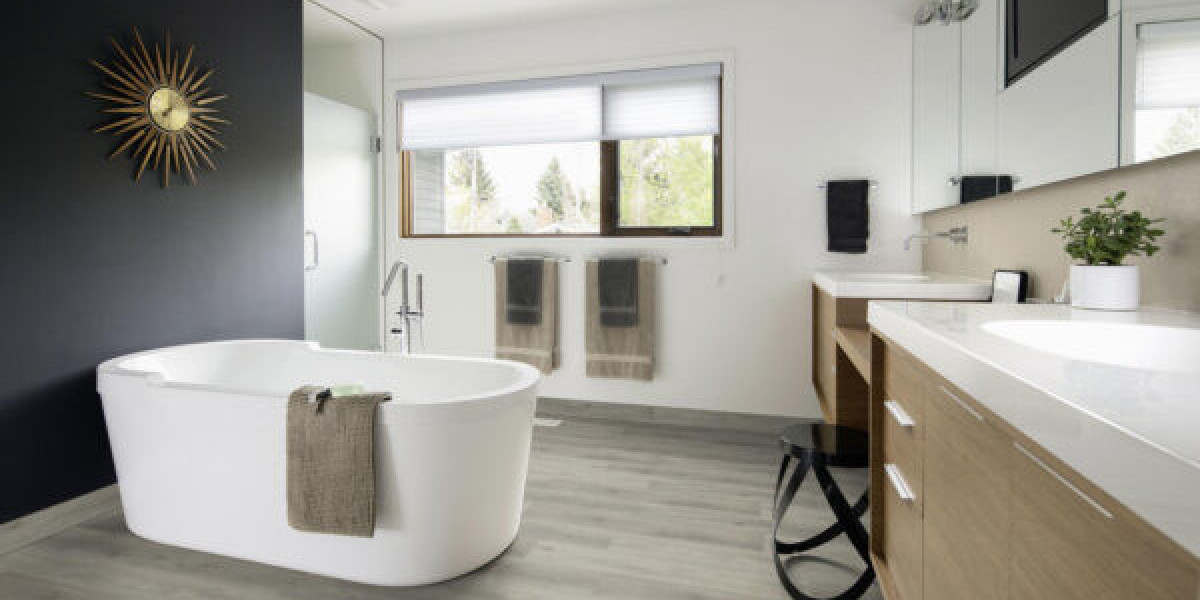

Luxury vinyl flooring (LVP/LVT) has gained popularity in recent years due to its waterproof core, versatility, and aesthetic appeal. But is luxury vinyl flooring good for bathrooms? In this blog, we’ll explore why LVP and LVT are ideal flooring options for modern bathrooms and provide tips for choosing the perfect style for your space.
What is Luxury Vinyl Flooring?
Luxury vinyl flooring (LVF) is a high-quality, durable flooring option designed to replicate the look of natural materials like hardwood, stone, or tile. It is made from multiple layers, including a waterproof core and a wear layer that protects against scratches, stains, and dents. Luxury vinyl is popular for its realistic appearance, easy maintenance, and comfort underfoot, making it a versatile choice for kitchens, bathrooms, and other high-traffic areas.
Why Is Luxury Vinyl Flooring Ideal for Bathrooms?
Bathrooms are exposed to moisture and humidity regularly, making it essential to choose a flooring material that resists water, stains, and wear. Luxury vinyl flooring is a great choice for bathrooms due to its waterproof nature and durability. Below are some of the primary reasons why LVP/LVT is considered a top choice for bathroom flooring.
Key Benefits of Luxury Vinyl Flooring in Bathrooms
1. Waterproof Nature
Luxury vinyl flooring is designed with a waterproof core and non-porous surface, making it the perfect material for bathrooms. It resists water damage, preventing issues like mold, mildew, and warping. Whether you’re dealing with shower splashes, bathtub overflows, or humidity, LVP or LVT flooring won’t swell or become damaged, unlike wood or laminate flooring.
2. Durability and Longevity
LVP and LVT flooring are built to last. Both types of vinyl flooring have a wear layer that protects against scuffs, scratches, and stains, making them ideal for high-traffic areas like bathrooms. These floors can withstand heavy foot traffic, ensuring they look great for years to come.
3. Comfort Underfoot
Unlike traditional tile or stone flooring, luxury vinyl offers a cushioned surface that feels softer underfoot. This is especially beneficial in bathrooms, where you may be standing for long periods while getting ready. Additionally, LVP or LVT can be paired with radiant heating systems for added warmth and comfort in cold bathrooms.
4. Aesthetic Appeal
Luxury vinyl comes in various designs and textures, mimicking the look of natural materials like wood, stone, and ceramic tile. This allows you to achieve the desired aesthetic for your bathroom while benefiting from the waterproof qualities of vinyl. Whether you want a rustic wood-look or a sleek stone appearance, LVP and LVT offer extensive options to match your bathroom decor.
5. Slip-Resistant Finishes
Safety is a primary concern in bathrooms, and luxury vinyl offers slip-resistant finishes that can help prevent accidents. With textured surfaces and added traction, these floors enhance bathroom safety, making them an ideal choice for homes with children or elderly family members.
Discover how luxury vinyl flooring is a top choice for modern homes and not just kitchens.
Types of Luxury Vinyl Flooring Suitable for Bathrooms
1. Luxury Vinyl Plank (LVP) Flooring
LVP flooring is designed to replicate the appearance of wood. Its high-quality wear layer and waterproof core make it a popular choice for modern bathrooms. Available in various plank sizes and finishes, LVP offers a natural wood aesthetic without the concerns of moisture damage.
Benefits of LVP for Bathrooms:
Mimics the look of wood without the water damage risk
Soft underfoot and comfortable
Easy to install and maintain
Affordable and durable
2. Luxury Vinyl Tile (LVT) Flooring
LVT is designed to resemble stone or ceramic tiles. With its durable wear layer and moisture proof quality, LVT is an excellent choice for bathroom floors that require a sleek, modern look. LVT’s tiles are easy to clean and maintain, making them perfect for a busy bathroom environment.
Benefits of LVT for Bathrooms:
Offers a realistic look of stone or tile with all the benefits of vinyl
Can be installed over various subfloors like concrete, plywood, and existing tiles
Scratch and stain-resistant
Available in a wide variety of designs
How to Choose the Best Waterproof Flooring for Your Bathroom
1. Moisture Resistance
Waterproof flooring is essential for bathrooms. When choosing between LVP and LVT, make sure to opt for a waterproof core and a non-porous surface. Both LVP and LVT have these features, but some may provide more moisture protection depending on the product.
2. Durability
Consider your bathroom’s foot traffic. For areas with heavy use, such as near the sink or tub, LVT or LVP with a high wear layer will provide extra durability. These floors are resistant to scratches, stains, and fading, ensuring long-lasting beauty.
3. Aesthetic Preferences
Whether you’re after a rustic wood look or sleek stone design, LVP and LVT offer a broad range of styles. Choose a floor that complements your bathroom’s color scheme, ensuring the floor enhances the space rather than clashes with it.
4. Installation
LVP and LVT are both easy to install with click-lock systems or glue-down options, making them DIY-friendly. Make sure to prepare the subfloor, ensure it’s clean and dry, and use a moisture proof underlayment for the best results.
Installation Tips for Luxury Vinyl Flooring in Bathrooms
1. Prepare the Subfloor
Ensure the subfloor is clean, dry, and level. For concrete floors, apply a vapor barrier or moisture-resistant underlayment to prevent water damage.
2. Allow for Expansion
When installing LVP or LVT, leave an expansion gap along the perimeter to account for changes in temperature and humidity. This prevents buckling or warping after installation.
3. Seal the Edges
To prevent moisture from seeping into the seams, use silicone sealant around the edges, especially near bathtubs, showers, and sinks.
Maintaining Your Waterproof Bathroom Flooring
Once your LVP or LVT flooring is installed, maintaining it is easy:
Clean spills immediately to avoid long-term damage.
Vacuum or sweep regularly to remove dirt and prevent scratches.
Mop with a damp cloth and use a pH-neutral cleaner to maintain the finish.
Use furniture pads under heavy items to avoid dents.
Final Thoughts
Is luxury vinyl flooring good for bathrooms? Yes, LVP and LVT are excellent options for bathrooms due to their waterproof nature, durability, and aesthetic appeal. With easy installation and maintenance, they offer an affordable solution for modern bathrooms.
Explore the Parma Flooring luxury vinyl collection today to find the perfect flooring for your bathroom renovation. Our wide selection of LVP and LVT options combines style, functionality, and long-lasting performance. To explore our full range of luxury vinyl flooring options or to schedule a consultation, contact us today.
Frequently Asked Questions (FAQs)
1. What type of vinyl flooring is best for bathrooms?
The best vinyl flooring for bathrooms is luxury vinyl plank (LVP) or luxury vinyl tile (LVT). Both options offer waterproof properties, making them perfect for high-moisture areas like bathrooms. LVT also offers the look of stone or ceramic.
2. What happens if luxury vinyl gets wet?
If luxury vinyl gets wet, it won’t absorb water due to its waterproof core. However, prolonged exposure to water may damage the edges or seams. Always wipe up spills immediately to maintain the floor’s integrity.
3. What destroys vinyl plank flooring in a bathroom?
Vinyl plank flooring in bathrooms can be damaged by prolonged exposure to excess water, sharp objects, or abrasive cleaning tools. To protect the floor, always wipe up moisture promptly, use non-abrasive cleaning tools, and avoid dragging heavy furniture.
4. Can mold grow under LVT flooring?
Mold can grow under LVT flooring if water or moisture is trapped beneath the floor, especially if the subfloor is not properly sealed. To prevent mold, use a moisture-resistant underlayment and ensure proper installation with sealed edges.
5. Does LVP go under the toilet?
Yes, LVP can be installed under the toilet, but it’s crucial to leave a small gap around the edges and seal the seams to prevent water from seeping under the flooring. Using a moisture poof underlayment is recommended.