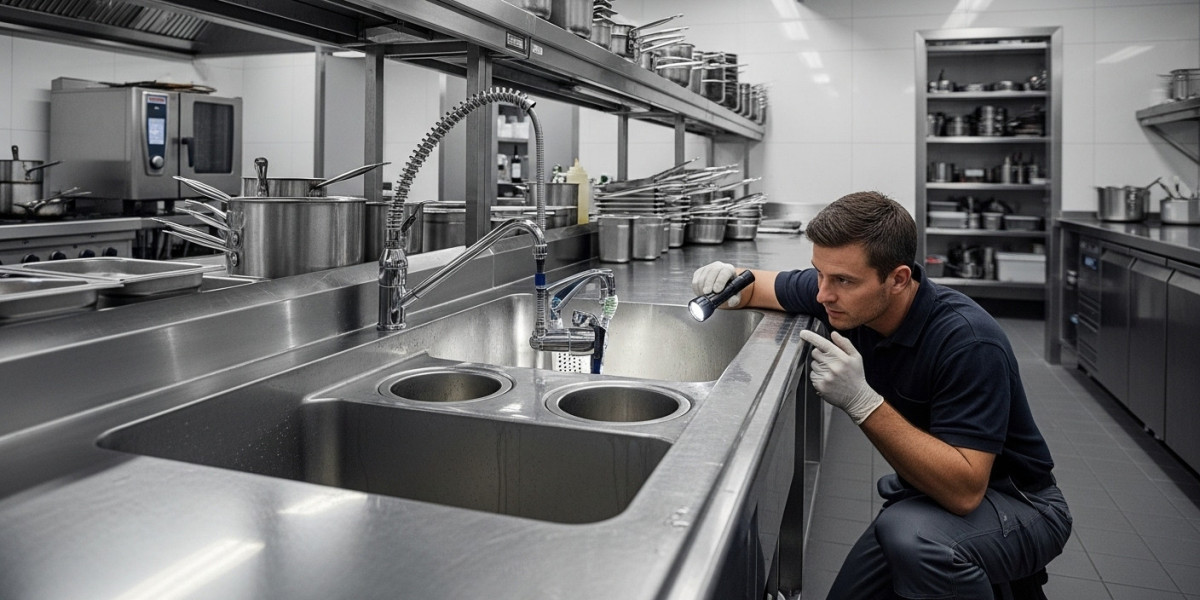

Commercial kitchens operate on razor-thin margins where every dollar and every minute counts. Yet many restaurant owners overlook one of the most cost-effective maintenance practices available: regular kitchen drain cleaning. This oversight leads to expensive emergency repairs, unexpected closures, and regulatory headaches that could have been prevented with modest investment in routine care.
Understanding how preventive drain maintenance protects profitability reveals why the most successful foodservice operations treat it as essential infrastructure rather than optional expense.
The Hidden Costs of Neglected Kitchen Drains
Drain systems quietly perform critical functions until they fail then suddenly demand immediate, expensive attention. The true cost of neglect extends far beyond the plumber's bill.
Emergency Service Premium Pricing
Drain failures rarely happen during convenient business hours. Blockages typically occur during peak service when drains handle maximum volume and stress. The Friday night dinner rush or Sunday brunch service creates conditions where minor restrictions become complete failures.
Emergency plumbing calls during evenings, weekends, and holidays carry premium pricing—often 200-300% above regular service rates. A routine maintenance visit costing $200 becomes an $800 emergency call, plus the cascading costs that follow.
Lost Revenue from Downtime
A blocked drain doesn't just inconvenience your operation—it can shut down entire kitchen sections or force complete closure. Health codes prohibit food service when wastewater cannot drain properly, leaving no choice but to close until repairs complete.
Even a four-hour closure during peak periods can cost thousands in lost sales. Weekend or holiday failures multiply the financial impact when revenue potential peaks. A single preventable drain emergency can erase the profit from an entire week of successful operation.
Wasted Food Inventory
When kitchens close unexpectedly, prepared ingredients spoil. Thawed proteins, cut vegetables, prepared sauces, and other perishables become total losses. The cost extends beyond the ingredients themselves to include the labor invested in preparation.
High-volume operations can lose hundreds or thousands of dollars in inventory during unexpected closures. This waste affects food cost percentages and erodes the careful planning that keeps commercial kitchens profitable.
Staff Scheduling Disruptions
Unplanned closures create staff scheduling chaos. Employees sent home lose expected income, affecting morale and retention. Making up those hours later complicates scheduling and may trigger overtime expenses.
The disruption damages reliability in an industry already challenged by staffing difficulties. Employees value predictable schedules—chronic operational problems from poor maintenance contribute to turnover that imposes its own costs.
Reputation and Customer Impact
Customers turned away due to unexpected closures represent more than immediate lost sales. They may choose competitors and never return. In the age of online reviews and social media, operational problems spread quickly.
A single customer posting about a closure or visible plumbing problem reaches thousands of potential patrons. The reputation damage from neglected maintenance extends far beyond the immediate incident.
How Regular Drain Cleaning Prevents Costly Problems
Scheduled maintenance interrupts the accumulation cycle that leads to failures. Understanding the preventive mechanism reveals why consistent service delivers such strong returns.
Removing Grease Before It Hardens
Cooking oils and fats enter drains with every dish washed and surface cleaned. Hot, these substances flow easily. But as grease travels through pipes and cools, it solidifies into deposits that coat pipe interiors.
Regular professional cleaning removes these deposits before they accumulate into flow-restricting masses. High-pressure water jetting strips grease from pipe walls, restoring nearly original capacity. This prevents the progressive narrowing that eventually causes backups.
The frequency needed depends on grease volume. High-volume kitchens with extensive frying operations may require monthly attention, while lighter operations function well with quarterly service.
Clearing Food Debris Accumulation
Despite screens and proper disposal practices, food particles constantly enter commercial kitchen drains. Rice, vegetable matter, coffee grounds, and countless other materials combine with grease to form dense, stubborn clogs.
Routine maintenance removes these accumulations before they consolidate into major blockages. Professional equipment reaches deep into drainage systems to clear areas that surface-level cleaning never addresses.
This systematic removal prevents the cascading effect where small restrictions trap additional debris, accelerating toward complete blockage.
Maintaining System Flow Capacity
Commercial kitchens demand high drainage capacity. During peak periods, massive water volumes from dishwashers, sinks, and floor drains must flow freely and quickly.
Systems operating at reduced capacity due to partial restrictions function adequately during slow periods but fail when confronted with peak-hour volumes. Regular cleaning maintains full flow capacity that handles demand surges without overwhelming compromised pipes.
Preventing Bacterial Growth and Odors
Organic material trapped in drains creates ideal environments for bacterial growth. The decomposition produces foul odors that permeate kitchen spaces and can reach dining areas.
These odors don't just create unpleasant working conditions—they signal sanitation problems. The bacteria generating smells also pose cross-contamination risks that health inspectors notice and customers detect.
Regular professional cleaning removes the organic material supporting bacterial colonies, eliminating odor sources rather than masking symptoms with chemicals or air fresheners.
Identifying Problems Early
Professional drain maintenance includes inspection that identifies developing issues before they cause failures. Video camera technology allows technicians to see inside pipes, spotting deterioration, root intrusion, or structural problems.
Early identification allows planned repairs during convenient times rather than crisis response during peak operations. The cost difference between scheduled pipe repair and emergency replacement can exceed thousands of dollars.
Time Savings from Preventive Maintenance
Money isn't the only resource regular drain cleaning protects. Time—perhaps even more valuable in commercial kitchens—benefits dramatically from preventive approaches.
Eliminating Crisis Management
Emergency drain failures consume enormous management attention. Owners and managers must coordinate emergency service, adjust operations, manage staff, contact customers, and handle countless other urgent tasks.
These hours spent managing crises divert attention from revenue-generating activities like menu development, marketing, staff training, and customer relationship building. The opportunity cost of emergency management often exceeds the direct repair costs.
Scheduled maintenance happens during planned windows with minimal management involvement. A 30-minute quarterly service appointment prevents hours of emergency crisis management.
Reducing Staff Disruptions
When drains function properly, kitchen staff work efficiently without interruption or workarounds. They focus on food preparation, service, and the tasks that directly create customer value.
Malfunctioning drains force constant adaptation. Staff work around backed-up sinks, manage standing water, and waste time attempting temporary fixes. These disruptions accumulate into significant productivity losses.
Regular maintenance keeps systems functioning, allowing staff to maintain focus and efficiency. The time savings compound over weeks and months of uninterrupted operation.
Streamlining Cleaning Routines
Properly functioning drains make daily cleaning faster and more effective. Water flows away promptly, floors dry quickly, and staff complete closing procedures efficiently.
Compromised drains extend cleaning time. Slow drainage means waiting for sinks to empty, standing water complicates mopping, and staff struggle through tasks that should be simple.
The difference might seem small daily, but accumulates dramatically over time. Saving even 15 minutes per closing adds up to over 90 hours annually—equivalent to more than two full work weeks of labor.
Faster Inspection Compliance
Health inspections proceed smoothly when all systems function properly. Inspectors move quickly through facilities without issues, completing their work efficiently.
Drain problems trigger detailed scrutiny, extended inspection times, and required follow-up visits. The time investment in managing inspection complications far exceeds the time required for preventive maintenance.
Maintaining compliant systems through regular service allows inspections to proceed quickly without complications that consume management time and attention.
Health Code Compliance and Safety Benefits
Beyond financial and operational advantages, regular drain maintenance protects against regulatory violations and safety hazards that threaten business viability.
Meeting Sanitation Requirements
Health departments enforce strict sanitation standards in commercial kitchens. Backed-up drains violate multiple codes related to wastewater management, cross-contamination prevention, and facility cleanliness.
Violations can result in fines, mandatory corrections, and in severe cases, temporary closure orders. The reputational damage from publicized health code violations extends far beyond immediate penalties.
Regular professional drain maintenance demonstrates the operational competence that health inspectors recognize. Clean, functional drainage systems support overall compliance efforts and create positive inspection outcomes.
Preventing Cross-Contamination
Drain backups expose food preparation areas to contaminated water containing bacteria, sewage, and decomposing organic matter. This creates serious cross-contamination risks that threaten food safety.
Even minor overflows can spread harmful bacteria to surfaces, equipment, and food contact areas. The liability exposure from foodborne illness linked to sanitation failures can devastate businesses through lawsuits, settlements, and reputation destruction.
Preventive maintenance eliminates backup risks, protecting the sanitation barriers that keep customers safe and businesses legally protected.
Maintaining Safe Work Environments
Standing water from slow drains creates slip hazards in already challenging kitchen environments. Wet floors are dangerous, especially during busy periods when staff move quickly.
Workplace injuries from slips and falls impose direct costs through workers' compensation claims and indirect costs through lost productivity and potential legal liability.
Properly maintained drains keep floors dry and safe, reducing accident risks and supporting overall workplace safety programs.
Protecting Equipment Investments
Drain water backing up around equipment can damage expensive kitchen machinery. Water infiltration affects electrical components, causes corrosion, and reduces equipment lifespan.
Commercial kitchen equipment represents substantial capital investment. Protecting these assets through basic drain maintenance prevents premature replacement and costly repairs from water damage.
The Grease Trap Connection
Effective restaurant drain maintenance requires understanding the critical relationship between grease traps and drain systems.
How Grease Traps Protect Drains
Grease traps intercept fats, oils, and grease before they enter drainage systems and municipal sewers. Properly functioning traps capture the majority of grease, dramatically reducing what reaches drain pipes.
However, traps aren't perfect. Small amounts of grease bypass even well-maintained traps. Over time, these small quantities accumulate into significant deposits within drains.
When traps fill beyond capacity or malfunction, large grease volumes suddenly enter drains, causing rapid blockage formation. This explains why drain problems often correlate with delayed trap service.
Coordinated Maintenance Schedules
Optimal grease management requires coordinating trap pumping with drain cleaning. Professional services offering integrated programs address both components during scheduled visits.
This coordination ensures that cleaning one system doesn't overwhelm the other. For example, aggressively flushing drains can overload grease traps if they're near capacity. Simultaneous service prevents these complications.
Coordinated schedules also reduce total service disruption. Single visits addressing multiple components cost less in both service fees and operational impact than separate appointments.
Compliance with Grease Management Regulations
Many jurisdictions regulate both grease trap maintenance and drain management as part of comprehensive fats, oils, and grease (FOG) programs. Violations can result in fines and mandatory corrective actions.
Professional maintenance services familiar with local regulations help navigate requirements and maintain documentation that satisfies inspectors. This compliance support protects against violations while simplifying regulatory management.
Warning Signs You Need More Frequent Drain cleaning Service
Even with regular maintenance, some situations require increased service frequency. Recognizing these indicators prevents problems despite existing schedules.
Persistently Slow Drainage
If drains slow down shortly after professional cleaning, the service interval may be too long for your grease volume. More frequent cleaning prevents accumulation from outpacing maintenance.
Persistent slow drainage can also indicate structural problems requiring repair. Professional assessment determines whether increased frequency or corrective work is needed.
Recurring Odors
Drain odors returning quickly after service suggest organic material accumulating faster than the cleaning schedule addresses. Shortening intervals eliminates the material supporting bacterial growth.
Persistent odors may also indicate ventilation problems or structural issues allowing sewer gases to escape. Professional diagnosis identifies root causes.
Multiple Simultaneous Slowdowns
When several drains throughout the kitchen slow together, main line restrictions affect the entire system. This pattern indicates that mainline cleaning needs more frequent attention than individual fixtures.
Simultaneous problems can also suggest grease trap issues allowing excess grease into the drainage system. Coordinated assessment of both traps and drains identifies the solution.
Increased Kitchen Volume
Expanding operations, adding menu items, or increasing customer counts all raise grease production and drain stress. Maintenance schedules should scale with operational changes.
What worked for 100 daily customers may prove insufficient for 200. Reassessing drain service frequency when operations expand prevents problems from outpacing maintenance.
Seasonal Demand Variations
Some restaurants experience seasonal volume fluctuations. Increasing service frequency during high-volume periods and reducing during slow seasons optimizes maintenance investment.
This flexible approach prevents failures during critical revenue periods while avoiding unnecessary service when demand is light.
Choosing Between DIY and Professional Drain Cleaning
Restaurant operators sometimes attempt drain maintenance using store-bought chemicals or basic equipment. Understanding the limitations helps make informed decisions about professional service.
Why Chemical Cleaners Disappoint
Chemical drain products work through caustic reactions that dissolve organic matter. While occasionally effective for simple clogs, they carry significant drawbacks in commercial kitchens.
Most importantly, chemicals rarely resolve grease-based blockages that plague restaurant drains. They may temporarily clear passages without removing underlying deposits. Problems recur quickly, requiring repeated applications.
Harsh chemicals also damage pipes over time, particularly older systems. The corrosive action weakens joints and can create leak points that compound problems. Additionally, chemical use raises environmental concerns and creates disposal issues for concentrated wastewater.
Equipment and Expertise Advantages
Professional commercial drain cleaning services employ specialized equipment that removes grease and debris rather than just pushing blockages deeper. High-pressure water jetting strips deposits from pipe interiors, restoring nearly original flow capacity.
Video inspection cameras allow technicians to diagnose problems accurately and verify cleaning effectiveness. This technology identifies issues that surface symptoms never reveal.
Professional expertise also matters. Experienced technicians distinguish between simple clogs and structural problems requiring different interventions. This prevents wasting time and money on ineffective approaches.
Safety and Liability Considerations
Drain cleaning exposes workers to contaminated water, harmful bacteria, and chemical hazards. Professional services carry insurance and follow safety protocols that protect both workers and property.
Restaurant operators attempting complex drain work assume liability for injuries, property damage, and health code violations from improper procedures. Professional services eliminate these exposures while delivering more effective results.
Cost-Effectiveness Analysis
While DIY approaches seem cheaper initially, they rarely deliver lasting solutions. Repeated chemical purchases, labor time, and eventual professional service often exceed the cost of simply hiring professionals from the start.
Additionally, ineffective DIY attempts can worsen problems. Harsh chemicals sometimes damage pipes, making eventual repairs more extensive and expensive. Starting with professional service typically proves more economical overall.
Building an Effective Drain cleaning Maintenance Program
Maximizing the time and money savings from regular drain cleaning requires systematic approaches rather than occasional reactive service.
Assessment and Baseline Establishment
Professional drain service should begin with comprehensive assessment of your system's current condition. Video inspection reveals existing damage, identifies problem areas, and establishes baseline understanding.
This initial evaluation determines appropriate service intervals and identifies any immediate corrective needs. Starting from accurate assessment prevents both over-servicing and inadequate maintenance.
Customized Service Schedules
Effective programs tailor maintenance frequency to actual conditions rather than arbitrary intervals. Factors to consider include kitchen volume, menu characteristics, grease production, system age, and local water quality.
High-volume operations with extensive frying typically need monthly drain cleaning. Moderate kitchens often function well with quarterly service. Professional providers assess your specific situation and recommend optimal schedules.
Documentation and Tracking
Maintaining service records helps track system performance over time and demonstrates compliance during health inspections. Professional services provide documentation of work performed, problems identified, and recommendations made.
This historical data also aids in budgeting and planning for eventual system upgrades or replacements based on observed deterioration patterns.
Staff Education and Daily Practices
While professional cleaning remains essential, daily practices affect maintenance effectiveness. Training staff on proper grease disposal, drain screen maintenance, and early warning signs optimizes results between professional services.
Educated employees become partners in preventive maintenance rather than inadvertent contributors to problems. Their observations often catch developing issues early when intervention is simplest and cheapest.
Continuous Improvement
Effective programs evolve based on results. If problems recur despite regular service, intervals may need shortening or additional interventions may be required.
Regular communication with service providers allows program refinement. The best results come from viewing drain maintenance as an ongoing partnership rather than transactional service.
Conclusion
The mathematics of drain maintenance are compelling. Regular professional cleaning costs less than emergency repairs, prevents operational disruptions that erase profits, supports health compliance, and extends expensive infrastructure investments.
The most successful foodservice operations recognize that reliability doesn't happen by accident it results from systematic attention to the details that less disciplined competitors neglect. Regular kitchen drain cleaning represents exactly this kind of operational excellence that separates thriving restaurants from struggling ones.
Time and money are the two resources commercial kitchens can least afford to waste. Regular drain maintenance protects both, delivering measurable returns that justify the investment many times over. The question isn't whether you can afford preventive maintenance, but whether you can afford the consequences of neglecting it.