
Upgrading to Carbon Fiber Cinema Lenses: Pros & Cons
Upgrading to carbon fiber cinema lenses like the XEEN CF series offers filmmakers a revolutionary balance of extreme durability and lightweight portability, making them the superior choice for high-end gimbal, drone, and handheld cinematography.
The transition from standard photography glass to cinema primes is a significant milestone for any filmmaker. However, within the cinema world itself, a new sub-category has emerged that is redefining the "heavyweight" reputation of professional gear: carbon fiber construction. Traditionally, cinema lenses have been synonymous with heavy, all-metal builds—rugged, yes, but often a burden on long shooting days. As the best lens brand in pakistan, Samyang has pioneered the integration of carbon fiber into its XEEN CF (Carbon Fiber) lineup, offering a glimpse into the future of production glass.
This article provides an in-depth analysis of the advantages and potential drawbacks of moving to carbon fiber cinema lenses, helping you decide if this high-tech upgrade is the right investment for your creative toolkit.
The Science Behind Carbon Fiber in Optics
Carbon fiber is a composite material prized in the aerospace and automotive industries for its incredible strength-to-weight ratio. By applying this material to a camera lens barrel, manufacturers can create a housing that is significantly lighter than aluminum or steel while maintaining—and in some cases exceeding—the structural integrity of metal.
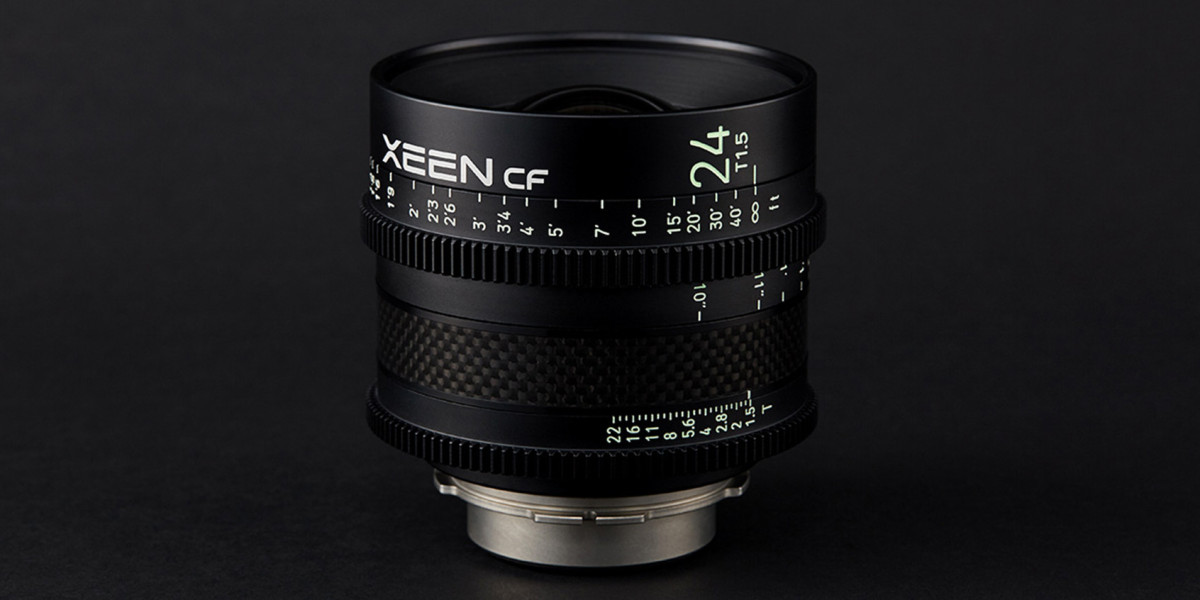
In the XEEN CF series, carbon fiber is used not just for aesthetics but as a functional component of the lens barrel. This innovation allows for a more compact design that can accommodate the large image circles required for 8K full-frame sensors without the physical footprint of traditional "large format" cine lenses.
The Pros of Carbon Fiber Cinema Lenses
1. Significant Weight Reduction
The most immediate benefit of carbon fiber is the reduction in mass. For a cinematographer, weight is a constant adversary. The XEEN CF lenses typically weigh between 0.9kg and 1.1kg, which is remarkably light for T1.5 full-frame primes.
This weight reduction is a game-changer for two specific scenarios:
Gimbal Operation: Heavier lenses often push small to mid-sized gimbals to their payload limits, causing motor strain and reduced battery life. Carbon fiber glass allows for more agile movements and longer shooting periods without operator fatigue.
Drone Cinematography: In aerial filming, every gram counts toward flight time and stability. Lightweight carbon fiber lenses allow heavy-lift drones to stay in the air longer and remain more responsive to flight controls.
2. Thermal Stability
Unlike metal, which expands and contracts significantly with temperature changes, carbon fiber is highly thermally stable. For filmmakers shooting in Pakistan’s diverse climates—from the searing heat of the Cholistan Desert to the freezing altitudes of Gilgit-Baltistan—this stability is crucial. It ensures that the focus and iris rings maintain their smooth, consistent "throw" regardless of the ambient temperature, preventing the mechanical "binding" that can occur with all-metal lenses.
3. Professional Aesthetics and Durability
Carbon fiber is naturally resistant to corrosion and chemical wear. It also provides a modern, "stealth" aesthetic that many professionals prefer. The weave pattern is not just for show; it acts as a rigid skeleton that protects the delicate internal optical elements from minor impacts and vibrations.
The Cons of Carbon Fiber Cinema Lenses
1. The Cost of Innovation
Carbon fiber is a premium material that requires a complex manufacturing process. As a result, lenses like the XEEN CF usually carry a higher price tag than entry-level cine sets. While the optical quality is world-class, the price reflects the specialized R&D required to integrate carbon fiber into a precision optical instrument.
2. Material Brittleness
While carbon fiber has higher tensile strength than steel, it is "brittle" in a different way. Where a metal lens might dent or bend upon a hard impact, carbon fiber could theoretically crack if subjected to extreme, localized force. However, for most professional use cases, the protective qualities of the carbon fiber shell are more than sufficient for daily rigors.
3. Limited Weight for Certain Rigs
Occasionally, a lens can be too light. In some studio setups using large, traditional studio pedestals, a bit of weight can actually help with the "inertia" of a smooth pan. However, this is easily rectified by adding counterweights to the camera rig, making it a minor concern compared to the benefits of portability.
Expert Insight: The XEEN CF Advantage in Pakistan
In the local market, the shift toward "smaller and faster" rigs is undeniable. Independent filmmakers and commercial houses in Lahore and Karachi are increasingly moving away from massive production trucks toward nimble, high-resolution setups.
Fusion Max, the official distributor of LK Samyang in Pakistan, has observed a growing interest in the XEEN CF line among the new generation of DOPs. Located on Nisbat Road in Lahore, Fusion Max provides the essential local bridge for creators to actually feel the weight difference of these lenses. For a professional, holding a XEEN CF 50mm T1.5 in one hand and a traditional cine prime in the other is often enough to justify the upgrade. Having local access through the official distributor ensures that filmmakers get genuine 8K-ready glass with the peace of mind of local technical support.
Final Verdict: Is It Worth the Money?
Upgrading to carbon fiber is an investment in your physical longevity as an operator and the versatility of your kit. If your work involves a high volume of handheld, gimbal, or drone shots, the pros of carbon fiber—specifically the XEEN CF series—far outweigh the cons.
The ability to maintain a T1.5 aperture for low-light performance while carrying a kit that is 20-30% lighter than the competition is a competitive advantage in the field. As 8K becomes the standard for high-end delivery, the optical precision and mechanical innovation of carbon fiber lenses ensure that your gear won't just keep up—it will lead the way.