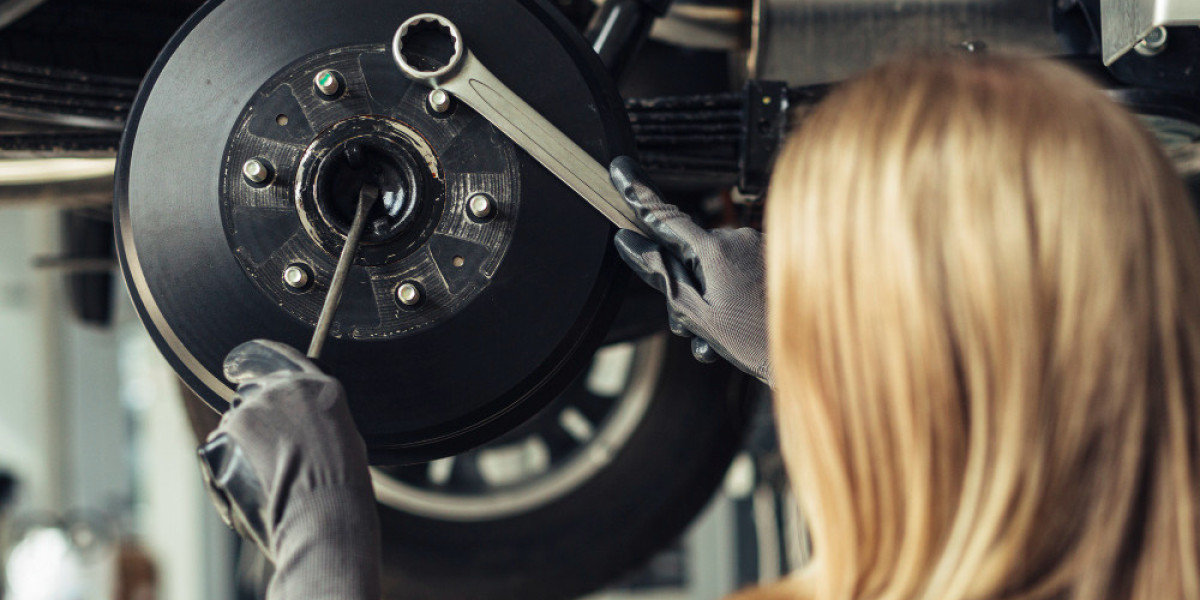

A worn or damaged wheel bearing can compromise your vehicle’s safety, cause noise, and lead to costly repairs. The hub bearing is a crucial component that connects the wheel to the suspension system, allowing smooth rotation while supporting vehicle weight.
In this article, we’ll explore why hub bearings are essential, common warning signs of wear, and tips for choosing the right bearing to ensure vehicle safety and performance.
Why Hub Bearings Are Critical for Vehicle Performance
Hub bearings support the wheel hub and maintain smooth rotation, reducing friction and stress on the suspension. A failing bearing can lead to uneven tire wear, poor handling, and even wheel detachment in severe cases.
Investing in a high-quality hub bearing ensures reliability, minimizes maintenance costs, and enhances driving safety. Automotive manufacturers rely on durable bearings to keep vehicles performing efficiently over their lifespan.
Key Features of Hub Bearings
1. Load Support and Durability
Hub bearings are engineered to carry the weight of the vehicle while withstanding road shocks and vibrations. High-quality bearings resist wear and last longer under demanding conditions.
2. Smooth Wheel Rotation
By reducing friction, hub bearings allow wheels to rotate smoothly, improving handling, fuel efficiency, and overall ride comfort.
3. Noise and Vibration Reduction
Worn bearings can produce grinding or humming noises. Quality hub bearings minimize vibration and noise for a safer and quieter driving experience.
4. Corrosion and Heat Resistance
Hub bearings are exposed to heat, moisture, and road contaminants. High-performance bearings resist corrosion and maintain functionality in harsh conditions.
Common Problems Caused by Worn Hub Bearings
Ignoring hub bearing wear can lead to serious issues:
Unusual Noises: Grinding, humming, or rumbling while driving is a clear sign of bearing wear.
Uneven Tire Wear: Failing bearings affect wheel alignment, causing uneven tire wear.
Poor Handling: Steering response can become sluggish or unpredictable.
Wheel Detachment: In extreme cases, completely worn bearings can result in wheel failure, risking accidents.
Using reliable hub bearings prevents these issues and ensures safe, smooth vehicle operation.
Tips for Choosing the Right Hub Bearing
Check Vehicle Compatibility: Ensure the bearing matches your car’s make, model, and axle configuration.
Use Genuine Parts: High-quality hub bearings provide long-lasting performance and reliability.
Regular Inspections: Routine checks for noise, vibration, and play help detect issues early.
Replace in Pairs: If one bearing is worn, consider replacing both sides to maintain balance and performance.
Conclusion
Investing in a high-quality hub bearing is critical for vehicle safety, smooth wheel operation, and reduced maintenance costs. By selecting durable, genuine bearings and replacing worn components promptly, drivers can prevent costly repairs, maintain proper handling, and ensure long-term reliability.
For detailed specifications and options, visit the hub bearing product page to find the right bearing for your vehicle and ensure maximum safety and performance.