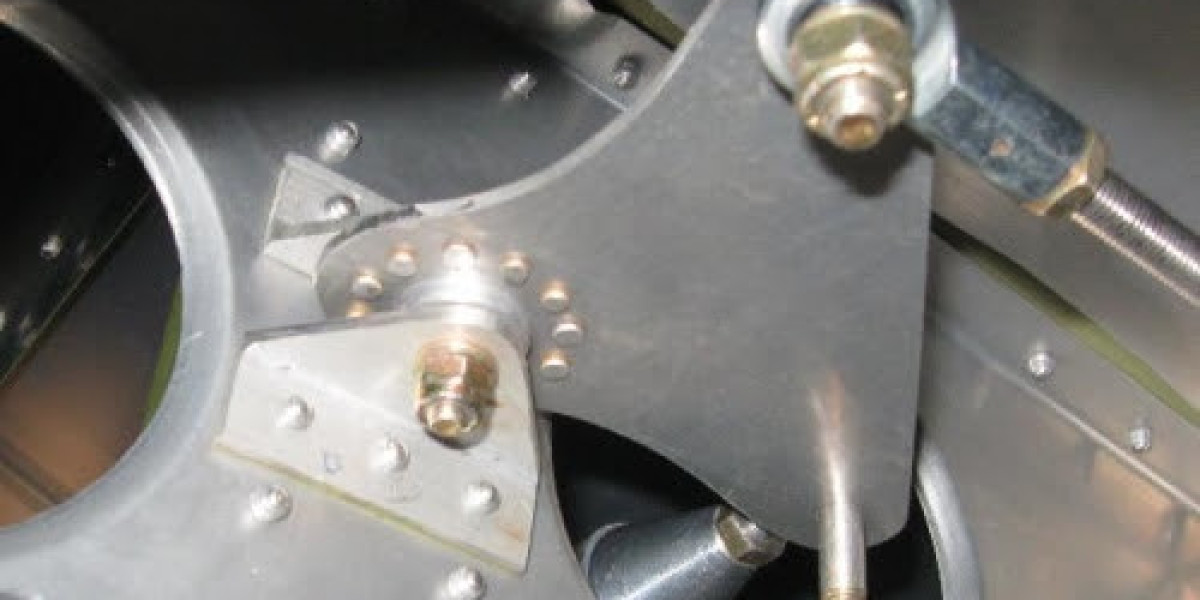

Aircraft control systems are essential for translating pilot inputs into precise movements of control surfaces. Among these mechanisms, the push pull rod system in aircraft offers a dependable way to operate ailerons, elevators, and rudders. By transferring motion directly through rigid rods and joints, this system provides pilots with predictable and responsive control, supporting both safety and performance.
How the Push Pull Rod System Works
At its core, the system consists of rigid rods connected to cockpit controls via ball joints or clevises. When a pilot moves the control stick or yoke, the motion is transmitted through the rods to the aircraft’s control surfaces. These rods either push or pull the attached components, producing immediate aerodynamic changes.
Direct Mechanical Linkage: The system eliminates complex intermediary steps, ensuring no lag between input and response.
Material Strength: High-strength alloys and corrosion-resistant metals are commonly used to withstand vibration, temperature fluctuations, and flight stress.
Adjustable Joints: End fittings and clevises allow for fine-tuning alignment, preventing binding and ensuring smooth motion.
Advantages of Using Push Pull Rod Systems
Reliability: With fewer moving parts than hydraulic or electronic systems, mechanical rods are less prone to sudden failure.
Predictable Feedback: Pilots receive tactile cues from control surfaces, helping them sense aerodynamic forces and adjust accordingly.
Ease of Maintenance: Visual inspections and routine lubrication are often sufficient, reducing operational costs.
Redundancy Options: Multiple parallel rods can enhance safety by providing backup pathways for critical flight controls.
Key Design Considerations
To maximize efficiency and safety, engineers focus on:
Precise Rod Lengths: Correct sizing ensures accurate motion transfer.
Joint Alignment: Flexible yet secure joints prevent wear and maintain operational integrity.
Load Distribution: Stress points are analyzed to prevent failure under extreme conditions.
Smooth Motion: Minimizing friction and resistance is essential for responsive control.These design principles ensure that the system remains functional across the full flight envelope, from slow-speed maneuvers to high-speed travel.
Applications in Modern Aviation
The push pull rod system remains widely used in:
General Aviation Aircraft: Light planes and trainers benefit from its simplicity and reliability.
Experimental Aircraft: Builders prefer mechanical controls for direct feedback and predictable response.
Redundant Flight Systems: Larger aircraft may incorporate rods as backup to hydraulic or fly-by-wire controls.
By combining simplicity with high reliability, this system continues to play a vital role in aviation, particularly in aircraft where low weight and mechanical feedback are priorities.
Maintenance and Safety Considerations
Routine inspections focus on joint integrity, rod alignment, and lubrication. Mechanical wear or misalignment can lead to control stiffness or binding. Engineers recommend scheduled preventive maintenance, especially in environments with high humidity or corrosion risks. Properly maintained push pull rod systems provide consistent and safe control for years, reinforcing their role in aviation safety.
Conclusion: The Enduring Importance of Mechanical Linkages
Reliable aircraft control depends on mechanisms that provide precise motion transfer, durability, and pilot feedback. Systems such as the push pull rod system in aircraft exemplify this balance, offering a straightforward yet highly effective solution for modern aviation. With careful design, routine maintenance, and attention to material strength, these systems continue to ensure safe and responsive control for a wide range of aircraft types.