
In today’s world, businesses of all sizes rely on credit card payments. Customers expect fast, safe, and convenient payment options, and having a reliable credit card machine can make a big difference in customer satisfaction. Accepting card payments is no longer optional—it is an essential part of running a modern business. Whether you run a small shop, a cafe, or a service-based business, a credit card terminal helps you serve your customers efficiently and professionally.
One of the advantages of modern credit card machines is that they are not only faster than cash transactions but also secure. They reduce errors in billing, make record-keeping easier, and give your customers more ways to pay. Choosing the right terminal and learning how to set it up correctly ensures that your payment process is smooth from the very first transaction. A dejavoo credit card machine is a popular option for many businesses because it combines security, ease of use, and flexibility in one device.
Understanding Your Device
Before you start, it’s important to know which type of device you have. Credit card machines come in different models, including countertop terminals, wireless portable units, and mobile devices. Some devices support touchscreen input, while others include basic keypads. They also support multiple payment methods, such as chip cards, magnetic stripe cards, and contactless payments like Apple Pay and Google Wallet.
Reading the user manual for your specific model is a good first step. It helps you understand the device’s features, network requirements, and how to handle common functions. Spending a few minutes reviewing the manual can save time and prevent mistakes during setup. Knowing your device well also helps you troubleshoot problems later.
Setting Up Your Machine
Physical Setup
Start by placing your device where it is easy to access for both you and your customers. Countertop models should be close to a power source and, if necessary, connected to your internet router with an Ethernet cable. Portable devices may need to be charged fully before their first use. Some devices connect via Wi-Fi or mobile networks, so ensuring a strong connection is essential.
When you turn on the device, most terminals will guide you through initial setup steps. This usually includes setting the language, adjusting date and time, and connecting to a network. Following these instructions carefully ensures the device is ready for secure payment processing.
Network Connection
A stable network connection is critical for smooth operation. For Ethernet devices, simply plug the cable into your router and make sure the device gets an IP address automatically. For Wi-Fi devices, choose your network from the list and enter the password. Some portable machines can also connect via cellular networks, which is useful for businesses on the go. A reliable connection reduces failed transactions and ensures faster approvals for customer payments.
Activating Your Credit Card Machine
After connecting to the network, you need to activate the device. Activation allows it to communicate with banks and card networks securely. This process typically requires entering your merchant account details and device information. Once activated, your machine can start processing live transactions.
It is a good idea to run a test transaction after activation. This helps verify that the device works correctly and gives you confidence in handling real payments.
Processing Payments
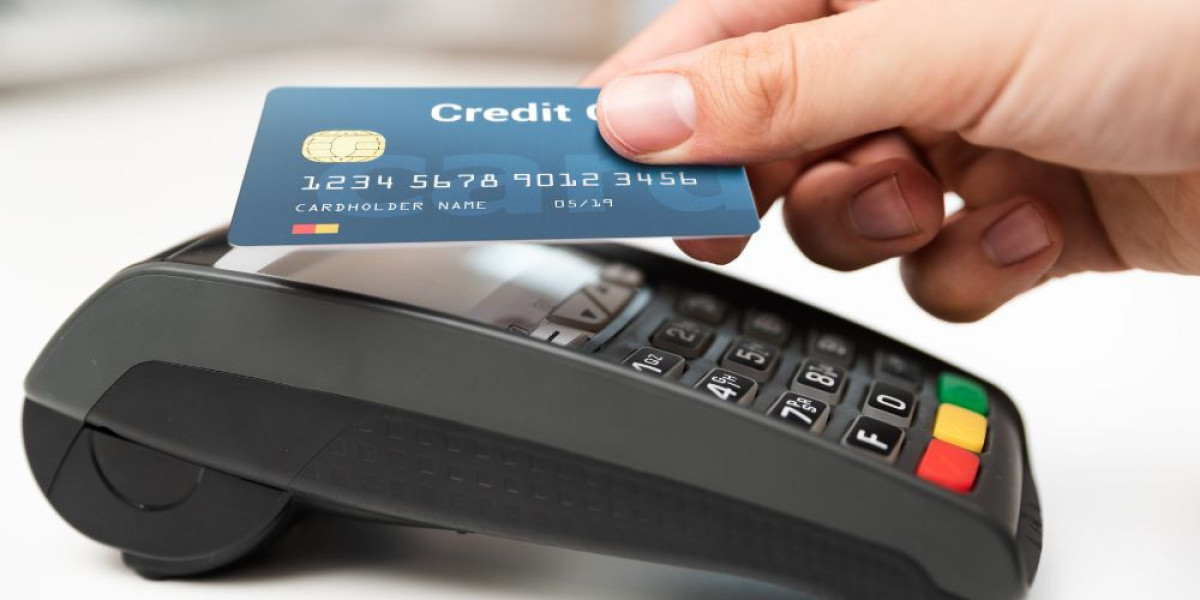
Using your credit card machine is straightforward. Start by entering the transaction amount, and then let the customer complete the payment using their preferred method. For chip cards, the card is inserted into the slot. For contactless payments, the customer taps the card or phone on the reader.
Many devices have touchscreens that allow customers to sign electronically and choose receipt options. Digital receipts can be sent via email or text, which is convenient and eco-friendly. Printed receipts are also available for customers who prefer a physical copy.
Security Features
Security is one of the most important aspects of credit card processing. Your machine encrypts card data during transactions, keeping customer information safe. Following basic security rules, such as not sharing login information and regularly updating your device, helps protect your business from fraud. Some machines include additional security features like point-to-point encryption, which adds another layer of protection.
Maintaining a secure payment system builds customer trust and ensures compliance with payment industry standards.
Reporting and Analytics
Modern credit card machines are more than just payment devices—they are also valuable business tools. Many machines can generate daily, weekly, or monthly sales reports. These reports help you track transaction history, monitor refunds, and understand sales trends. By analyzing this data, you can make better decisions about staffing, inventory, and promotions.
Some machines can even integrate with accounting software, making bookkeeping easier and saving time. Using these tools allows you to manage your business more efficiently.
Maintenance and Troubleshooting
Regular maintenance keeps your device running smoothly. This includes cleaning the terminal, updating software, and checking network connections. If the machine experiences issues, most problems can be solved by restarting the device, verifying the network, or reinstalling updates.
It’s also helpful to know where to find support resources. Many manufacturers provide manuals, online guides, and customer service contacts. Addressing issues quickly ensures minimal downtime and keeps your payment process consistent.
Mobility and Flexibility
If your business moves around frequently, portable devices allow you to accept payments anywhere with a reliable network. Some devices connect to point-of-sale systems to streamline sales and inventory tracking. Multiple payment options, including digital wallets and gift cards, make it easy to meet customer preferences.
For mobile or pop-up businesses, having a reliable portable device can be the difference between lost and completed sales.
Training Your Staff
Teaching your team how to use the credit card machine is essential for smooth daily operations. Staff should know how to process sales, handle refunds, and troubleshoot minor issues. Creating a simple guide or checklist for common tasks can speed up learning and reduce errors. Well-trained staff provide faster service and improve the overall customer experience.
Conclusion
Setting up and using a credit card machine may seem complicated at first, but following the right steps makes it simple. From understanding your device and connecting it to a network to processing payments securely, each step ensures a smooth experience for both your business and your customers.
A reliable machine improves efficiency, helps maintain accurate records, and provides multiple payment options for customers. By keeping the device secure, maintaining it properly, and training your staff, you can make the most of your investment. Using the machine effectively not only ensures faster transactions but also helps build trust and loyalty with your customers.
Mastering the setup and daily use of your device gives you confidence in running your business. With the right approach, your credit card machine becomes a powerful tool that supports growth, efficiency, and a professional customer experience.