
Introduction
In a world powered by electricity and precision engineering, even the smallest connection matters. Whether you’re assembling a control panel, fixing automotive wiring, or working on a DIY electronics project, one tool quietly determines the quality of your work: the crimping tool.
This article explores what a crimping tool really does, why it matters, and how choosing the right one can dramatically improve safety, durability, and performance.
What Is a Crimping Tool?
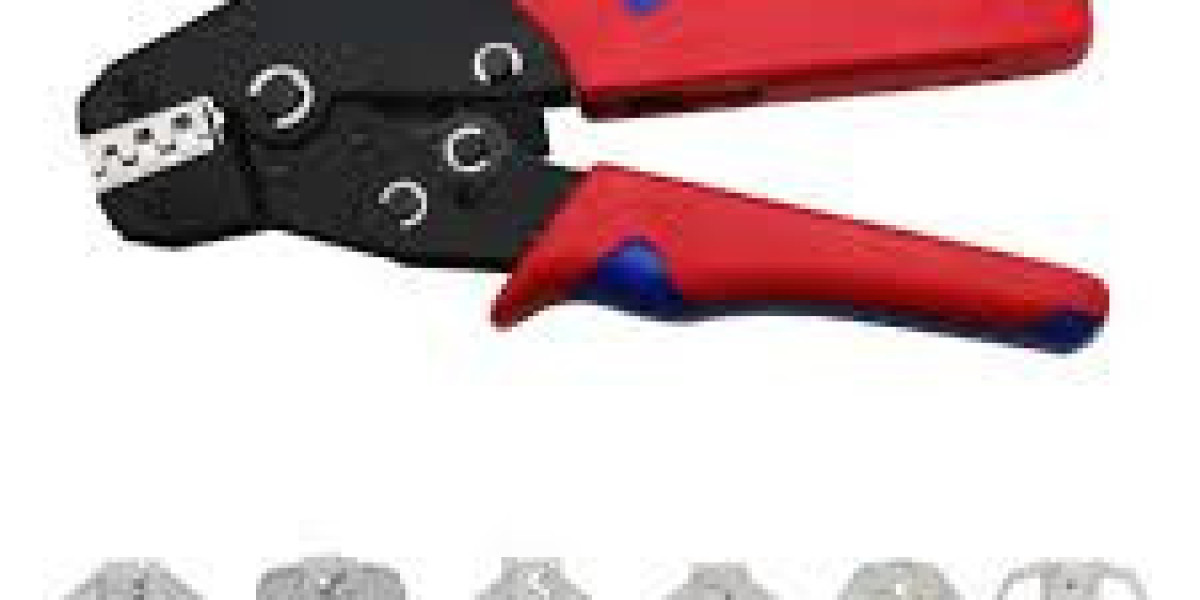
A crimping tool is a hand or powered device designed to join two pieces of metal—usually a wire and a connector—by deforming one or both materials. Instead of melting materials together like soldering, crimping creates a mechanical bond that is strong, conductive, and vibration-resistant.
Because of this reliability, crimping tools are widely used in:
Electrical and electronics work
Automotive wiring systems
Network and data cabling
Industrial machinery
Home improvement and DIY projects
Why a Crimping Tool Is Better Than Twisting or Soldering
Many beginners underestimate the importance of proper crimping. However, professionals rely on crimping tools for good reason.
Stronger Connections
A properly crimped joint resists pulling, bending, and vibration far better than twisted wires.
Consistent Electrical Conductivity
Crimping creates a gas-tight connection, reducing oxidation and signal loss over time.
Faster and Cleaner Work
Unlike soldering, a crimping tool requires no heat, no fumes, and no curing time.
Industry Compliance
Most electrical standards and manufacturers recommend crimped connections for safety and longevity.
Types of Crimping Tools and Their Uses
Not all tool crimping is the same. Choosing the wrong type can damage connectors or weaken connections.
Manual Crimping Tools
Best for home users and light professional tasks. These are affordable, portable, and easy to control.
Ratcheting Crimping Tools
Designed for precision, these tools apply uniform pressure and won’t release until the crimp is complete—ideal for repeatable, high-quality results.
Hydraulic Crimping Tools
Used in industrial environments, especially for large cables and heavy-duty terminals.
Specialty Crimping Tools
Made for specific connectors such as RJ45, coaxial cables, insulated terminals, or ferrules.
How to Choose the Right Crimping Tool
Selecting the best crimping tool depends on your application, not just price.
Consider the following factors:
Connector type (insulated, non-insulated, modular plugs, ferrules)
Wire gauge compatibility
Build quality and jaw material
Ergonomic handle design
Calibration and pressure consistency
A good crimping tool should feel solid in tool crimping your hand and deliver consistent results without excessive force.
Common Crimping Mistakes to Avoid
Even with the right tool, technique matters.
Using the wrong die size for the wire
Over-crimping and damaging the connector
Under-crimping, leading to loose connections
Stripping too much or too little insulation
Mixing incompatible connectors and tools
Avoiding these mistakes can significantly increase the lifespan of your electrical work.
Who Should Use a Crimping Tool?
A crimping tool isn’t just for electricians.
It’s essential for:
Electrical engineers
Automotive technicians
Network installers
Maintenance professionals
Electronics hobbyists
DIY homeowners
If your work involves wires, a crimping tool is not optional—it’s foundational.
Final Thoughts: Why a Quality Crimping Tool Is a Smart Investment
A crimping tool may not be the flashiest item in your toolbox, but it directly impacts safety, efficiency, and reliability. Poor connections lead to failures, downtime, and hazards—while proper crimping delivers confidence and long-term performance.
Investing in the right crimping tool means fewer repairs, stronger connections, and professional-grade results every time.
Check Out More Latest Articles: Click Here