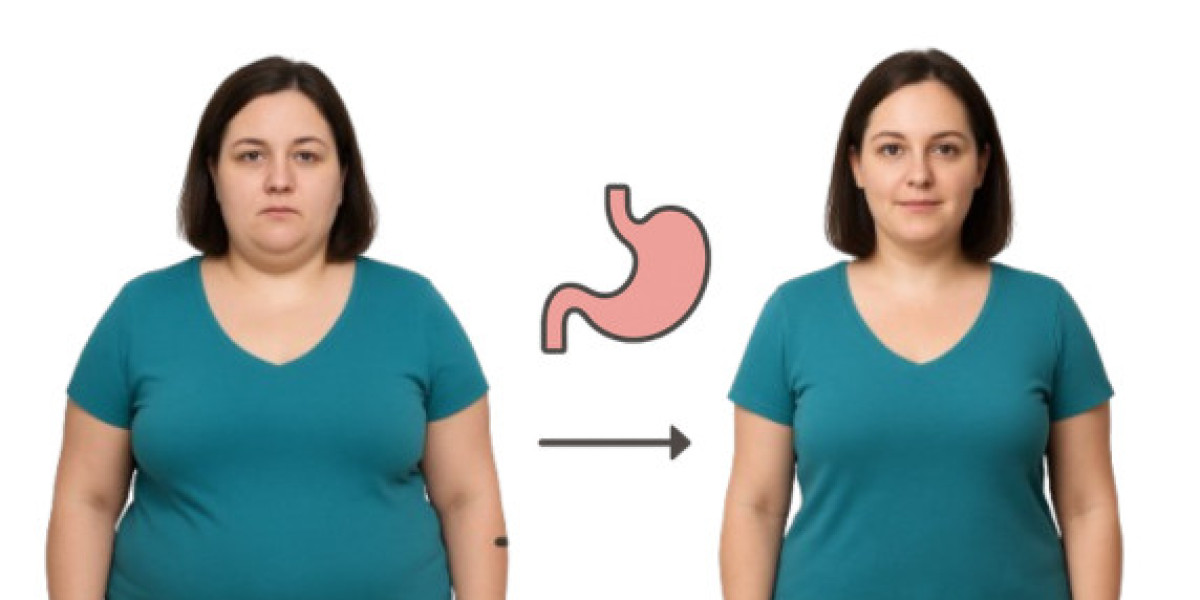

Obesity is one of the most pressing health concerns of our time, affecting millions of people around the world. It is not just about appearance—excess weight significantly increases the risk of serious medical conditions such as diabetes, heart disease, high blood pressure, sleep apnea, and joint problems. Many individuals struggle for years with diets, exercise plans, and lifestyle changes, often without achieving long-term success. For those facing these challenges, bariatric surgery offers a medically supported and effective solution. It is more than just a procedure—it is the start of real, lasting change.
Understanding Bariatric Surgery
Bariatric surgery refers to a group of medical procedures designed to help individuals lose weight by altering the digestive system. These procedures limit how much food the stomach can hold, reduce calorie absorption, or both. Unlike fad diets or temporary programs, bariatric surgery provides a safe and structured approach to achieving significant weight loss while improving overall health.
Doctors typically recommend bariatric surgery for adults with a Body Mass Index (BMI) of 40 or higher, or a BMI of 35 or higher if accompanied by obesity-related conditions such as type 2 diabetes, high blood pressure, or sleep apnea. Patients who undergo bariatric surgery often experience improvements not only in weight but also in energy levels, mobility, and overall quality of life.
Types of Bariatric Surgery
There are several types of bariatric surgery, each tailored to meet individual needs and health conditions:
Gastric Sleeve (Sleeve Gastrectomy): This procedure removes a portion of the stomach, leaving a smaller, sleeve-shaped stomach. It reduces hunger hormones, helps patients feel full faster, and supports sustainable weight loss.
Gastric Bypass (Roux-en-Y): A small stomach pouch is created and connected directly to the small intestine, reducing both food intake and calorie absorption. Gastric bypass is especially effective for individuals with type 2 diabetes or severe obesity.
Mini Gastric Bypass: A simplified variation of gastric bypass that requires less operative time while still delivering significant weight loss results.
Adjustable Gastric Band: A silicone band is placed around the upper stomach to create a smaller pouch. Although less common today, it remains an option for select patients.
Intragastric Balloon: A non-surgical option where a balloon is temporarily inserted into the stomach to reduce hunger and portion sizes. It is helpful for jump-starting weight loss.
Who Can Benefit
Bariatric surgery is ideal for adults struggling with severe obesity, particularly when other weight loss methods have been unsuccessful. Candidates should also be prepared to commit to long-term lifestyle changes, including proper nutrition, regular exercise, and routine medical follow-ups.
Health Benefits Beyond Weight Loss
The advantages of bariatric surgery extend far beyond shedding pounds. Many patients experience:
Improved diabetes control or remission
Lower blood pressure and cholesterol levels
Reduced risk of heart disease and stroke
Relief from sleep apnea and better sleep quality
Decreased joint pain and improved mobility
Increased energy and overall vitality
These benefits contribute to longer life expectancy, better day-to-day comfort, and a higher quality of life.
Emotional and Psychological Benefits
Weight loss through bariatric surgery often leads to significant emotional and psychological improvements:
Enhanced self-esteem and body image
Reduced anxiety and depression
Greater participation in social activities
Motivation to maintain healthy habits
Emotional well-being is an important part of the overall transformation and long-term success.
Recovery and Lifestyle Changes
Recovery varies depending on the procedure and individual health. Most patients stay in the hospital for one to three days and gradually resume normal activities over a few weeks.
The post-surgery diet progresses from liquids to soft foods and eventually to solid meals in smaller portions. Long-term success requires commitment to lifestyle changes:
Eating small, balanced, nutrient-rich meals
Staying hydrated throughout the day
Taking prescribed vitamins and supplements
Exercising regularly
Attending follow-up medical appointments
These habits ensure that the weight loss achieved is sustainable and that overall health continues to improve.
A Life-Changing Decision
Bariatric surgery is more than a weight loss procedure—it is the start of a new chapter. It provides individuals with the tools, medical support, and motivation to achieve real and lasting change. Patients who commit to their new lifestyle often report improved health, higher energy levels, increased confidence, and greater participation in everyday activities.
Take the First Step
Choosing bariatric surgery is a courageous decision and a commitment to a healthier future. It offers hope for individuals who have struggled with weight loss for years and provides a safe, effective path to lasting results.
Bariatric surgery is the start of real change, offering an opportunity to improve physical health, emotional well-being, and overall quality of life. With dedication, medical guidance, and lifestyle adjustments, lasting weight loss and a brighter, healthier future are within reach.