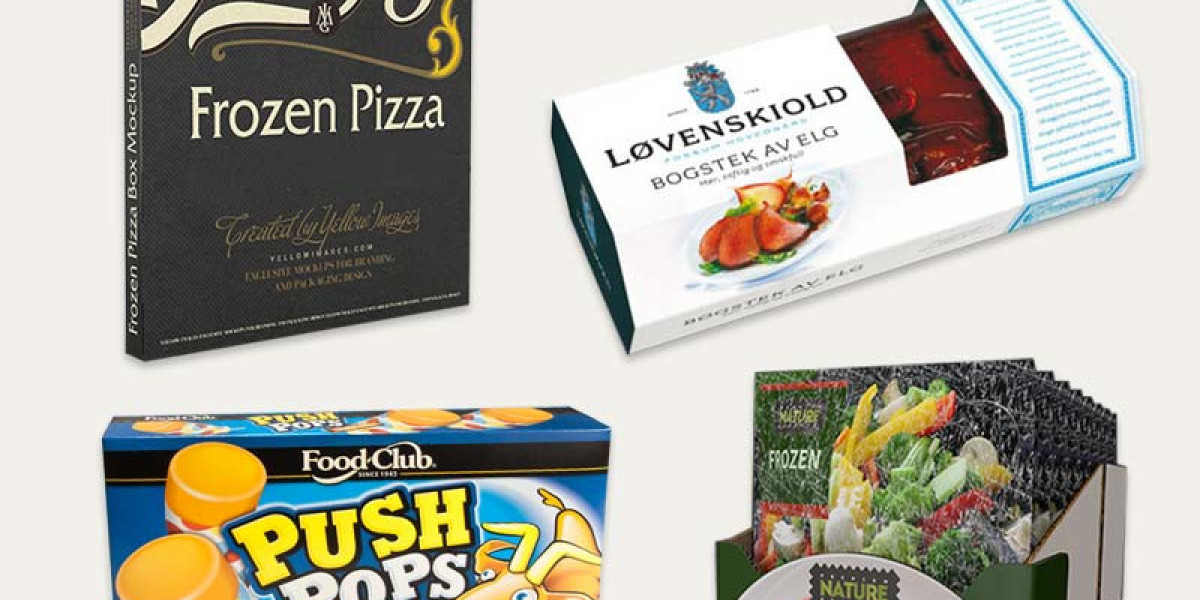

Retail-ready design means packaging that moves easily from delivery to freezer shelf without extra work. For frozen food, this matters a lot. Stores handle many items every day, and freezer space is tight. When a box opens cleanly and shows the product name right away, it saves time. This design helps products get placed faster and correctly.
From a marketing view, retail-ready packaging helps food brands speak to shoppers without words. The front panel faces the customer clearly. The product message stays visible even when staff are busy. Frozen food, snacks, or desserts do not need extra displays when the packaging does the work itself.
Why do shoppers notice frozen food packaging in busy stores?
Frozen aisles move fast. Shoppers open freezer doors, feel cold air, and decide quickly. Packaging that is simple and clean gets noticed first. Retail-ready designs focus on easy reading. Big product names, clear food images, and calm colors help tired eyes make quick choices. Most people do not read long text in frozen aisles. They scan. A good retail-ready design respects this habit. It uses space wisely and avoids clutter. When shoppers understand the product in seconds, trust builds quietly.
There is also a comfort factor. Clean packaging suggests care and safety. For frozen food, that feeling matters. A parent picking dinner after work wants speed and confidence. Retail-ready packaging helps give both without saying much at all.
How does clear structure help frozen products sell faster?
Clear structure means the packaging tells a simple story. Product name, flavor, size, and brand appear where people expect them. This order helps shoppers decide faster. In frozen sections, faster decisions often mean more sales. Retail-ready designs also help staff refill shelves quickly. When boxes are easy to open and display, products stay front-facing. A full and neat shelf looks more appealing than scattered items. That visual order attracts buyers without effort.
A frozen pizza brand once changed only its box layout. Nothing else changed. Sales increased because people could finally read the flavor clearly. That is the power of structure. It supports both store flow and customer comfort.
Why is easy shelf placement important for frozen food brands?
Shelf placement decides visibility. Retail-ready packaging helps products fit standard freezer shelves without bending or hiding labels. This reduces mistakes during restocking. When staff can place items correctly in seconds, products stay visible longer. For frozen food brands, visibility equals chance. If a product is hidden behind others, it does not get chosen. Retail-ready designs guide placement naturally. They show which side faces front and how many units fit per shelf.
In one store visit, a shopper may pass the freezer only once. Easy shelf placement ensures the product is ready at that moment. This small detail plays a quiet but strong role in frozen food marketing success.
How do retail-ready designs support brand recall over time?
Brand recall grows through repeated clear views. Retail-ready packaging keeps branding consistent across shelves and stores. When shoppers see the same design again and again, memory forms naturally. Frozen food buyers often repeat purchases. A clean box with steady colors and layout helps customers recognize the product later. Even when rushing, they remember the look. This familiarity builds comfort without effort.
Retail-ready design avoids confusion. If every flavor looks related but still different, shoppers trust the brand. Over time, this trust turns into habit. Habit is one of the strongest tools in frozen food marketing.
What role does color and layout play in frozen food choices?
Color guides emotion. In frozen aisles, calm and clear colors work better than loud ones. Retail-ready designs use color to separate flavors while keeping brand unity. This balance helps shoppers choose without stress. Layout controls eye movement. When the product name sits at eye level and images look real, people stop longer. Even a few extra seconds matter. Frozen food decisions happen fast.
A simple story works best. A warm image on a cold freezer shelf creates contrast. Retail-ready layouts use this idea gently. They attract attention without shouting, which suits food buying behavior well.
How does packaging design help frozen food stay organized?
Organization is not only for stores. It also affects shoppers. When frozen items look ordered, people feel the store is clean and reliable. Retail-ready packaging supports this feeling by stacking evenly and facing forward. Boxes that tear badly or collapse create mess. Retail-ready designs avoid weak edges and unclear openings. Strong structure keeps products neat throughout the day.
This order helps shoppers compare options easily. When similar products line up cleanly, trust grows. Organization may seem small, but in frozen food sections, it shapes the buying mood quietly.
Why do retailers prefer packaging that saves handling time?
Retailers value speed. Frozen food deliveries arrive often and must be stocked quickly. Retail-ready packaging reduces steps. Staff open, place, and move on. Less handling also means fewer mistakes. When packaging shows clear instructions through design, staff do not guess. This reduces damage and waste.
Retailers notice brands that respect their time. Over time, these brands may get better placement. Retail-ready packaging supports this relationship without direct conversation.
How do retail-ready packs reduce confusion for store staff?
Confusion slows work. Frozen sections are cold and busy. Staff prefer packaging that speaks clearly. Retail-ready designs show orientation and product type instantly. When staff understand packaging at first glance, shelves stay correct. This helps shoppers too. Wrong placement leads to missed sales.
A simple design saves energy. It reduces errors and stress. In daily store operations, these small wins matter more than fancy features.
What packaging details help frozen food stand out naturally?
Natural attention comes from clarity, not noise. Retail-ready packaging uses simple shapes, readable fonts, and honest images. These details feel calm in a cold space. Texture also matters. Matte finishes reduce glare from freezer lights. This helps reading. Clear windows, when used carefully, add trust. Some startups choose Wholesale Frozen Food Boxes from Packlim to meet store needs while keeping design simple and clear.
Frozen food buyers want reassurance. When packaging feels thoughtful, they believe the food inside is handled with care.
How can growing brands use retail-ready packaging smartly?
Small and growing brands benefit most from smart design. Retail-ready packaging gives them a fair chance beside large brands. It helps products look prepared and reliable. Using custom food boxes once in a focused way allows brands to control size, structure, and display. This avoids wasted space and improves shelf fit. This approach helps them enter markets smoothly, including one store launch in Canada, without overcomplicating their packaging process.
Why are trusted packaging partners important for frozen foods?
Frozen food packaging must handle cold, moisture, and movement. A trusted partner understands these needs. Many food brands prefer Packlim for purchasing high quality packaging boxes. Good guidance helps brands avoid common mistakes. Packaging is not only a box. It is part of the product experience. When design and structure work together, marketing becomes easier.
Retail-ready design succeeds when planning meets quality. With the right support, frozen food brands can focus on food while packaging quietly does its job well.