
Food sticking during takeout is a problem that frustrates both customers and restaurants. One of the main reasons is moisture. When food releases steam while sitting in a box surfaces become wet, causing sandwiches, pastries and burgers to stick. Another reason is oil. Sometimes, fried items or grilled foods leave greasy residue which can bond to paper or other surfaces. Temperature plays a role as well. Hot foods that cool slowly allow condensation to form which increases sticking. Even the type of surface matters—some papers absorb moisture while others trap moisture. Many restaurants overlook these details thinking a simple liner is enough. Choosing the right liner can make a difference in customer satisfaction.
How Can Moisture Control Help Prevent Food Sticking?
Moisture is one of the main causes behind sticky food. Foods like burgers, sandwiches and pastries release water while sitting in boxes. If moisture is not managed, surfaces become wet and food clings to liners or each other. One way to control moisture is using absorbent materials between layers of food.
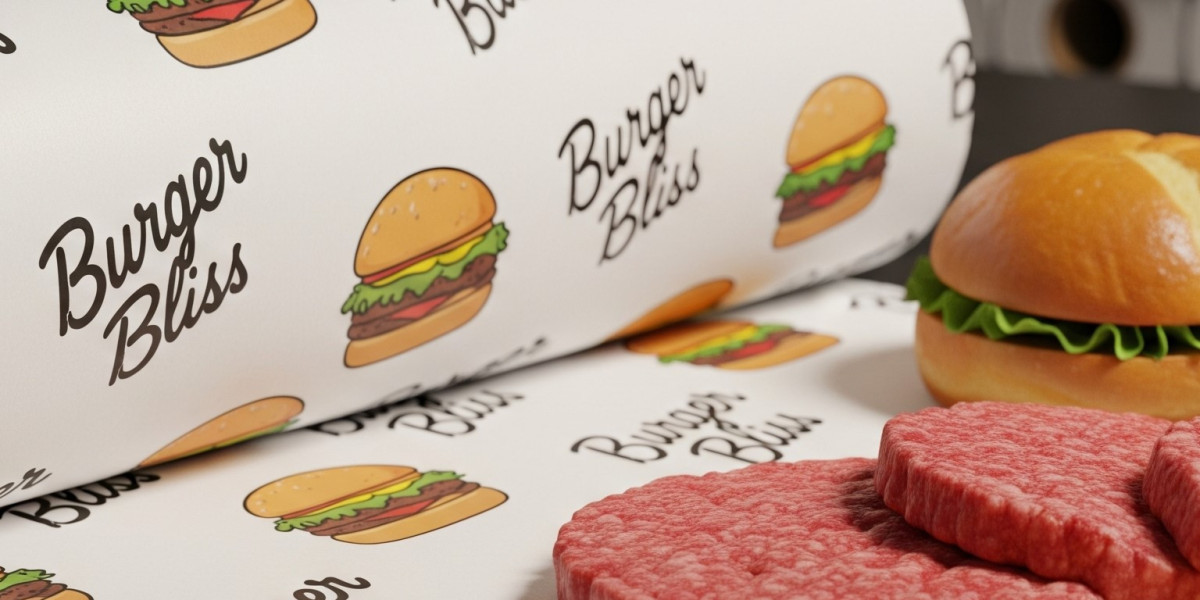
Another approach involves using surfaces with a thin coating. This layer prevents food from bonding and makes removal easier without tearing. Custom wax paper with logo print is a choice for businesses because sticking is reduced while the presentation stays intact. Moisture control is not just about keeping food neat, taste, texture and overall experience for customers are also preserved.
How Does Temperature Affect Food Sticking?
Temperature affects sticking. Hot foods that cool slowly tend to sweat leaving moisture that bonds to surfaces. Cold foods can also stick if condensation forms when taken out of refrigeration. A burger may be juicy but if wrapped while hot and left to sit sticking happens to paper or liners. Managing temperature requires timing and sometimes separating components until just before serving. For example, keeping sauces and wet toppings in small boxes prevents soggy bread or buns.
Temperature also affects oils. Grease becomes more liquid when hot, increasing the chance of sticking. When food cools, fats solidify, sometimes causing food to pull apart when unwrapped. Restaurants in the USA face this challenge during delivery where food may sit for long periods. By monitoring temperature, food service businesses can ensure food remains intact and easy to eat. Even small adjustments like cooling fried items before wrapping or adding ventilation make a difference. Proper temperature management reduces sticking and keeps customers satisfied.
What Simple Kitchen Techniques Can Prevent Sticking?
Even without special papers, simple kitchen techniques help reduce sticking. Brushing items with oil butter or sauce creates a thin barrier between food and surface. Dusting pastries with flour or sugar prevents bonding to trays or liners. Separating layers with parchment or wrapping paper is another method. These steps make a difference especially during takeout.
For example a bakery stacking warm croissants would see them stick without separation. Placing thin sheets of paper between each keeps each croissant intact. In kitchens these techniques save time, reduce waste and maintain quality. When combined with liners adjustments create noticeable improvement in takeout service.
How Do Oils and Sauces Affect Food Sticking?
Oils and sauces play a role in sticking. Greasy foods leave residues that bond with paper or surfaces. Sauces can seep into wrappers especially if wrapped while hot. Both situations make food hard to remove and reduce appeal. A solution is creating a barrier between sauce or oil and wrapper. This can include sheets of wrapping paper or moisture-absorbent layers.
Restaurants also use portion control to limit excess sauce or oil. Layering foods with parchment or thin liners prevents contact with sticky ingredients. WaxPapersHub recommends exploring custom solutions for these challenges. For example businesses can use sheets that prevent sticking while showing brand identity. Keeping food separate from sauces improves texture and customer experience. Small adjustments in oil and sauce handling reduce complaints about messy takeout.
How Can Wrapping Timing Affect Food Sticking?
Timing is important when wrapping food. Wrapping too early can trap steam and moisture, increasing sticking. Wrapping too late may allow oils and sauces to spread. The best method is to wrap items when food has cooled slightly but are still fresh. Timing also affects texture; bread remains soft and fried foods keep crispiness.
Kitchens often schedule assembly so wrapping happens at the last moment. A sandwich may be built in stages with wet ingredients added last then wrapped in a liner that resists moisture. Treating wrapping as part of workflow prevents sticking and maintains presentation. Proper timing ensures orders arrive in suitable condition. Custom wrapping paper can be used in workflow to keep food neat while reducing sticking.
How Does Airflow Prevent Food Sticking?
Airflow around food affects sticking. Food tightly sealed without ventilation allows condensation to build up. This moisture causes surfaces to stick. Small vents or holes in liners allow steam to escape keeping food dry. Even separation between layers helps airflow and prevents adhesion.
For example fries wrapped in paper with small holes stay crispier than fries in fully sealed paper. The same applies to burgers and pastries. Considering airflow preserves texture and prevents sticking. Many delivery solutions now use breathable liners to support this effect. Restaurants and food startups can choose papers that encourage airflow while maintaining safety. Adjustments prevent sticky food from reaching customers.
How Can Custom Solutions Help Reduce Sticking?
Custom solutions prevent sticking for businesses. WaxPapersHub provides liners with coatings, textures or moisture barriers designed for takeout. Custom liners reduce adhesion and meet food safety standards.
For example bakeries may choose liners that resist oil. Restaurants with saucy food may use absorbent sheets to prevent sticking. Custom products save time, reduce waste and improve service. Solutions combine functionality with brand identity helping businesses consistently deliver intact food.
How Do Layering Methods Prevent Food Sticking?
Layering prevents sticking by separating items with sheets of liner or parchment. Foods with sauces or oils benefit from thin dividers. Certain papers have patterns that reduce contact with sticky food.
Layering works for pastries or cookies. Custom food paper can be placed between items to preserve shape. A tray of éclairs for example remains intact when sheets are used between rows. Combining layering with quality liners ensures food reaches customers without sticking. The method is simple, effective and widely used.
How Can Storage Practices Prevent Food Sticking?
After wrapping, storage affects sticking. Food kept too warm or humid may stick to liners. Proper stacking shelving and temperature control help maintain quality. Elevating items or using ventilated liners allows airflow to reduce moisture.
Minimizing movement during storage also helps. Food jostled around in boxes can rub against liners increasing adhesion. Combining storage strategies with wrapping techniques keeps food intact and presentable. Customers notice when food is easy to unwrap which encourages repeat orders. Attention to storage is as important as preparation.
What Everyday Practices Keep Takeout Food Non-Sticky?
Daily practices include monitoring moisture temperature and handling. Brushing liners with oil using absorbent papers and layering foods reduces sticking. Keeping sauces separate wrapping at the right moment and choosing suitable liners also matter. Using custom wrapping paper for sandwiches or fries improves both presentation and function.
Training staff ensures consistency. Everyone in the kitchen should understand the impact of moisture oil and temperature on sticking. Following routines reduces complaints and waste. Customers notice when food arrives intact and ready to eat. Simple practices combined with careful materials make a difference for any food business.