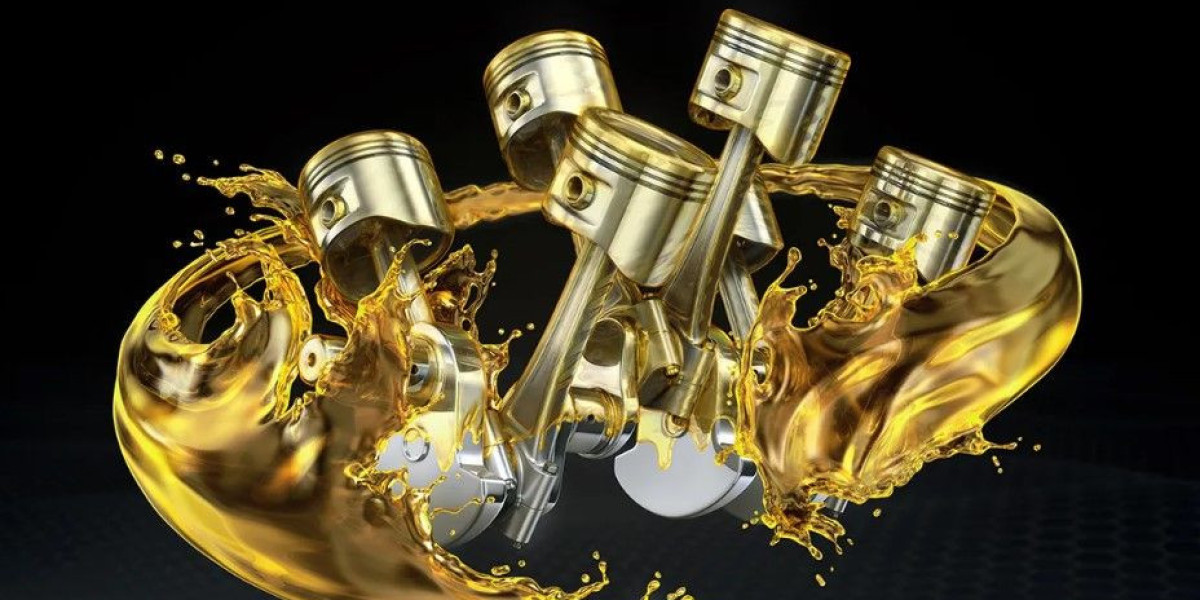

New cars and vans require more than ordinary oil to perform optimally. As engines spin faster, heat up, and get more efficient, ordinary lubricants are no longer sufficient. High-performance motor lubricants play a crucial role in this scenario. They possess superior formulas that safeguard strained engines, lower wear, and enhance efficiency.
Regardless of whether you're a driver wanting to have your car in top condition or a seller who wants to find out about selling car lubricants, this guide details why high-performance lubricants matter so much and how they can help both users and sellers.
Why Lubricants Are "High Performance
They're not necessarily thicker, smoother oils. They're made with improved base oils and the latest additives. They wipe your engine clean, cool it, and de-rust or de-sludge it. They cut friction between moving parts, too. That means less wear and tear, better gas mileage, and a longer engine life. Whereas common oils would degrade when engines get too hot or vehicles are operated for very long distances, high-performance oils are resilient even under such conditions. This is why high-performance oils are used not only in sport vehicles but also in trucks, vans, and commercial vehicles. These oils may get dirty, but your engine won't be affected.
Why High-Performance Lubricants Are Essential to Cars and Vans
All cars and vans require oil. However, not all oils produce the same effect. Car and van automotive lubricants must withstand stop-and-go traffic, highway travel, heat, and cold starts. Those pressures will ruin engines eventually if the oil is not robust enough. High-performance oils create a tighter seal between engine components. They work even when temperatures fluctuate wildly. That is, they flow easily when cold and do not disintegrate when warm. So the engine has a smoother and more efficient run. They also reduce engine noise and add more power. If you wish your car to last longer and run better, then it is best to utilize a high-performance lubricant.
Special Automotive Lubricants for Specific Needs
All engines are not made the same. Some vehicles must be equipped with special car oils. These oils can be designed for turbo engines, heavy-duty trucks, hybrid vehicles, or racing cars. Special oils are designed to keep up with the added pressure and heat of such an engine. A turbo engine is one example that operates much faster than a standard engine. It generates more heat and must have oil that remains effective without degrading.
A hybrid vehicle, however, will activate the engine pretty often. It requires oil that protects the engine during cold starts and frequent short trips. Racing or off-road cars also require special oils. These engines will encounter the harshest conditions and require oils that provide full protection, even in mud, dirt, or during very sharp turns on highways. Regular oils won't survive under such conditions. When choosing an oil, always consult the car manual or a renowned specialist. The wrong oil may reduce the engine's lifespan and even void the warranty.
How to Sell Automotive Lubricants in a Competitive Market
Sales of automotive lubricants are more than the sales of oil in a bottle. You must understand the product and what the drivers require to be successful. If you don't know how to sell automotive lubricants, match the right consumer with the product first.
Start by discovering what type of vehicles your customers drive. Are they private car owners, van fleet operators, or motor repair garages? They will all demand different lubricants. A delivery fleet, for example, will likely need oil for long distances, while a sports car driver will look for one that enhances performance.
Next, elaborate on the benefits in simple terms. Don't simply say the oil is "premium." Describe how it lubricates less, saves fuel, and increases the life of the engine. Use simple examples that show actual results. Demonstrate how high-performance lubes save money over the long term by reducing repair expenses.
Give plain labels, plain packaging, and honest advice. Most consumers are baffled by too many options. Ask what they drive, how often they get an oil change, and what they do in their car.
Finally, be on top of trends. Increasingly, more drivers these days are requesting environmentally friendly oils or electric and hybrid cars. By offering the first of those items, you can establish a loyal customer base that will have faith in your reputation.
Why High-Performance Lubricants Are Worth the Extra Money
Others wonder, "Why am I paying extra for oil?" High-performance lubricants yield significant benefits in the long run. Sure, they cost more initially, but they provide superior protection. That translates to fewer visits to the repair shop and fewer opportunities for engine failure. They also make your car run smoother by offering smoother rides, quicker acceleration, and lower fuel consumption. It adds up in the long run. In hot weather or with heavy mileage, regular oils will degrade fast. But performance oils still perform longer. So, while the price is higher, the benefit is clear. You have the confidence, better engine condition, and real gains in performance.
The Future of Automotive Lubricants
The world of automotive lubricants is constantly evolving. New engine technologies and government mandates are forcing brands to produce better oils. Lubricants have never been better. Some contain nanoparticles, synthetic blends, and the latest friction reducers. More and more consumers demand oils that are tough on engines but gentle on the planet. Brands are making lubricants that provide complete protection with reduced emissions and waste.
This implies that vendors and drivers must be aware of new products and shifting standards. Over the next few years, we should see more lubricating oils for electric vehicles as well. EVs do not have conventional engines, but they will still require lubricants for gearboxes, brake systems, and coolers. If you sell or use lubricants, there is no better time than the present to understand these trends. Staying ahead of these trends is crucial for providing superior service and making well-informed decisions.
Conclusion
High-performance automobile lubricants are not oil. They are products that guard, enhance, and prolong the life of all engines. Premium lubricants can enhance the performance of any vehicle, from daily cars to business cars. Knowing what each oil does and who it is best for will give you an advantage as a seller. If you're a driver, switching to better lubricants is one of the easiest ways to care for your vehicle. Ultimately, good oil is not only about smooth rides. It contributes to fewer repairs, extended engine life, and enhanced performance each time you turn on the engine.