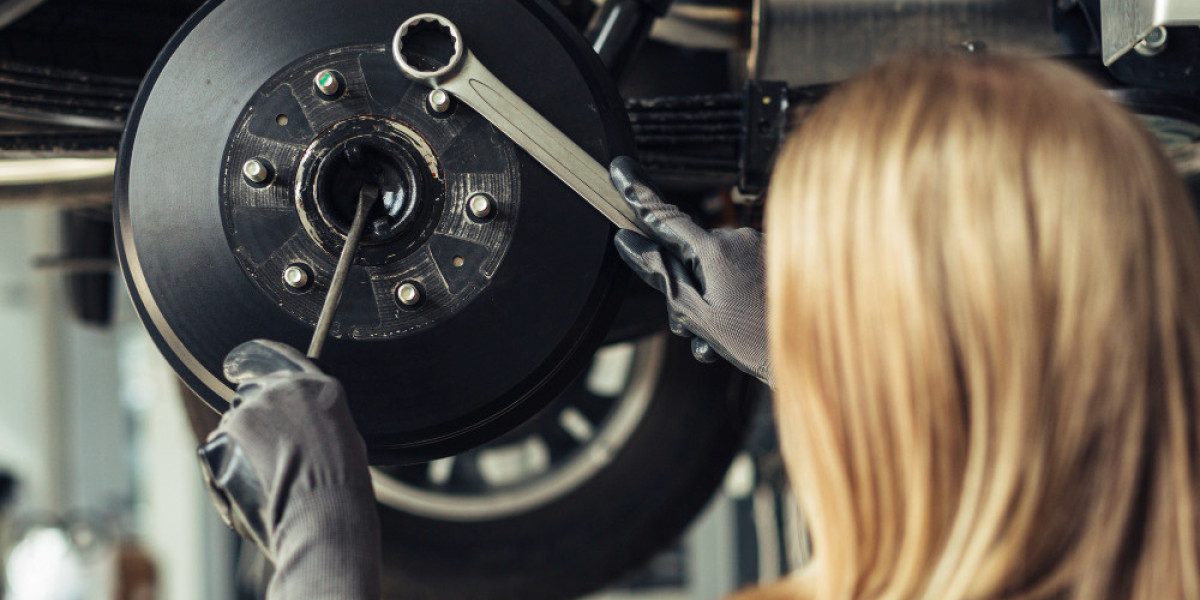

In modern vehicles, wheel performance directly affects safety, fuel efficiency, and driving comfort. One of the most critical components in this system is the hub bearing. When wheel assemblies fail, the root cause is often poor bearing quality.
For OEM manufacturers, distributors, and fleet operators, selecting the right hub bearing is essential to ensure long-term reliability and reduced maintenance costs.
The Industry Problem: Wheel Noise and Early Bearing Failure
Wheel hub systems operate under extreme conditions. They carry the full vehicle weight while absorbing road shocks, braking forces, and cornering loads.
Common problems caused by low-grade bearings include:
Humming or grinding wheel noise
Excessive vibration
Uneven tire wear
Wheel misalignment
ABS sensor malfunction
Premature failure
For manufacturers, these failures result in increased warranty claims and reduced customer trust. In heavy-duty and commercial vehicles, downtime leads to direct financial loss.
What Is a Hub Bearing and How It Works
A hub bearing is a pre-assembled unit that combines the wheel hub and bearing into a single compact system. It supports both radial and axial loads while allowing smooth wheel rotation.
You can explore technical insights about hub bearing design and structure at hub bearing.
How It Works
The hub bearing assembly:
Connects the wheel to the axle.
Contains rolling elements (ball or tapered rollers).
Allows controlled rotation with minimal friction.
Maintains precise wheel alignment.
In modern vehicles, many hub bearings also integrate ABS sensor rings for accurate braking control.
Problems in Traditional Bearing Systems
Older wheel setups used separate bearings that required manual adjustment and regular lubrication. These systems had several limitations:
Complex installation
Improper preload adjustment
Higher contamination risk
Frequent maintenance
Shorter service life
Incorrect preload could lead to overheating or premature wear. This increased repair frequency and labor costs.
How Modern Hub Bearings Solve These Issues
Modern hub bearings are sealed, pre-adjusted, and factory-lubricated. This reduces installation error and improves long-term reliability.
Key advantages include:
High Radial and Axial Load Capacity
Designed to handle vertical weight and side forces during turning.
Sealed Lubrication System
Pre-filled grease and tight seals prevent contamination.
Corrosion and Heat Resistance
Advanced materials protect against moisture and high-temperature braking conditions.
Compact and Integrated Design
Simplifies assembly for OEM production lines.
These improvements significantly reduce maintenance intervals and improve vehicle safety.
Modern Hub Bearing vs Traditional Setup
| Feature | Modern Hub Bearing | Traditional Bearing Setup |
|---|---|---|
| Installation | Pre-assembled | Multiple parts |
| Lubrication | Sealed & pre-filled | Manual greasing |
| Maintenance | Low | Frequent |
| Alignment Accuracy | Factory-set | Manual adjustment |
| Service Life | Longer | Shorter |
For manufacturers, the integrated system reduces production time and quality variation.
Real Applications Across Industries
Hub bearings are widely used in:
Passenger cars
SUVs and pickup trucks
Commercial trucks and buses
Agricultural machinery
Construction equipment
Trailers and industrial vehicles
In electric vehicles (EVs), hub bearings must handle additional torque loads from instant motor power. Precision and strength are even more critical in these systems.
Why Manufacturers Prefer Advanced Hub Bearings
OEMs and Tier-1 suppliers prioritize high-quality hub bearings because they:
Improve wheel stability
Enhance braking performance
Reduce noise and vibration
Lower warranty claims
Increase vehicle lifespan
Meet global automotive standards
For export-focused manufacturers, reliable hub assemblies strengthen brand image and customer satisfaction.
You can better understand the engineering principles behind hub bearing performance through detailed technical resources like hub bearing.
How to Choose the Right Hub Bearing
Before selecting a hub bearing supplier, engineers and procurement teams should evaluate:
Load rating specifications
Material quality and hardness
Seal performance
Corrosion resistance
ABS compatibility
OEM compliance standards
Production capacity and quality control
Consistency in manufacturing batches is critical for assembly line efficiency.
A reliable supplier provides technical documentation, testing reports, and long-term supply stability.
Conclusion
Wheel stability is not just about comfort — it is about safety and performance. Weak or poorly designed hub bearings can cause vibration, noise, and serious mechanical failure.
Modern integrated hub bearings offer superior load handling, reduced maintenance, and extended service life. For B2B buyers, manufacturers, and engineers, investing in high-performance hub bearings ensures better vehicle reliability and long-term cost savings.