If you’ve noticed the words artisan charcuterie popping up everywhere lately, you’re not imagining it. It’s on menus, in gift boxes, all over social feeds. Some of it’s great. Some of it… not so much. The term gets tossed around loosely, slapped on plastic-wrapped meat that never saw a butcher’s hand.
So let’s clear the air. This isn’t a glossy sales pitch. It’s a straight-up look at what artisan charcuterie actually is, why people care, and why buying cured meats online can make sense if you know what you’re doing.
This stuff has history. It has patience baked into it. And honestly, it tastes better when you understand where it comes from.
What Artisan Charcuterie Really Means?
Artisan charcuterie isn’t just meat that looks fancy on a board. It’s a process. A slow one. Meat is seasoned carefully, cured with intention, and given time to become what it’s supposed to be. No rushing. No shortcuts.
The “artisan” part matters. It means small batches. Hands-on work. Someone paying attention instead of a machine blasting out thousands of identical products. You can taste that difference. It’s not subtle.
Traditional methods still drive the best charcuterie. Dry curing. Natural aging. Real spices instead of lab-made flavor boosters. The goal isn’t to make meat last forever. The goal is to make it better.
And yeah, sometimes that means imperfections. Slight variations. A salami that tastes a little different this month than the last. That’s not a flaw. That’s the point.
Why Cured Meats Are Still Relevant Today?
We live in a world obsessed with speed. Fast food. Fast shipping. Fast everything. Cured meats are the opposite of that mindset. They take time, and they demand patience from both the maker and the buyer.
Curing meat was originally about survival. Preservation without refrigeration. But somewhere along the way, it became an art form. People realized that salt, air, and time could transform something basic into something rich and complex.
Modern artisan charcuterie keeps that tradition alive. It respects the old techniques while making room for better sourcing and cleaner ingredients. No mystery fillers. No nonsense.
And honestly, cured meats fit modern life better than people think. They’re versatile. Easy to serve. You don’t need to be a chef to enjoy them. Slice, plate, eat. Done.
Buying Cured Meats Online Without Regret
Let’s talk about the elephant in the room. Cured meats online. For some people, that phrase still feels risky. Meat shipped to your door? Fair concern.
But here’s the reality. High-quality cured meats are actually ideal for online ordering. They’re stable. They’re crafted to travel. When done right, shipping doesn’t hurt the product at all.
The key is trust. You need to know who’s making the meat and how they handle it. Real producers are transparent. They talk about their process. They don’t hide behind buzzwords.
Buying cured meats online also opens doors. You’re not limited to whatever your local shop happens to stock. You can explore regional styles, unique spice blends, and small producers who don’t sell to big-box stores.
It’s about access. And access changes everything.
Flavor That Doesn’t Shout, It Lingers
Good artisan charcuterie doesn’t punch you in the face with salt. That’s lazy curing. Properly cured meat has balance. You get savory depth first, then subtle sweetness, then spice that shows up late and sticks around.
Texture matters too. A dry-cured salami should have resistance, not crumble. A well-made prosciutto should melt, not chew like jerky.
These details come from patience. From knowing when not to intervene. Overhandling ruins meat. Over-seasoning masks mistakes. Skilled charcutiers know when to step back.
That’s why mass-produced cured meats often taste flat. They’re engineered for consistency, not character. Artisan products choose character every time.
Charcuterie Isn’t Fancy, It’s Human
Somewhere along the way, charcuterie got labeled as “luxury food.” Sure, it can be elevated. But at its core, it’s practical food. Farmers, butchers, families making use of what they had.
Sharing cured meats is a social thing. Always has been. You put it on the table, people gather, conversations start. No rules. No pressure. Just food doing what food is supposed to do.
You don’t need marble boards or perfect folds. A wooden cutting board works. Even a plate. The meat carries the experience.
That’s what makes artisan charcuterie feel real. It doesn’t pretend to be something it’s not.
Ingredients Matter More Than Packaging
Here’s a blunt truth. Fancy packaging doesn’t fix bad meat. If the raw product isn’t good, no label will save it.
Quality cured meats start with sourcing. Animals raised properly. Clean feed. Respectful handling. If a producer cuts corners at the beginning, it shows at the end.
Spices should be recognizable. Salt should be purposeful, not overpowering. And preservatives? Minimal. Traditional curing doesn’t need a chemistry set.
When you buy cured meats online, read beyond the marketing. Look for clarity. Simplicity. Confidence without shouting.
Good producers don’t need to oversell. The product speaks.
How Artisan Charcuterie Fits Real Life?
You don’t need a special occasion. That’s a myth. Artisan charcuterie works on a Tuesday night just fine.
It pairs with simple things. Bread. Cheese. Fruit. Wine if that’s your thing. Or not. There’s no ceremony required.
It also stores well, which matters. You’re not racing against spoilage the way you are with fresh meat. That flexibility is underrated.
People often save “nice” food for later. Then later never comes. Charcuterie is meant to be eaten. Enjoyed. Shared. Not saved forever.
The Value Is in the Craft
Yes, artisan charcuterie costs more than supermarket meat. That’s unavoidable. Time costs money. Skill costs money.
But value isn’t just price. It’s satisfaction. It’s knowing what you’re eating and where it came from. It’s supporting people who care about their craft.
When you buy cured meats online from a dedicated producer, you’re paying for experience, not volume. That matters.
Cheap meat disappears fast. Good meat stays with you. In memory, at least.
Where Foris Fits Into All This?
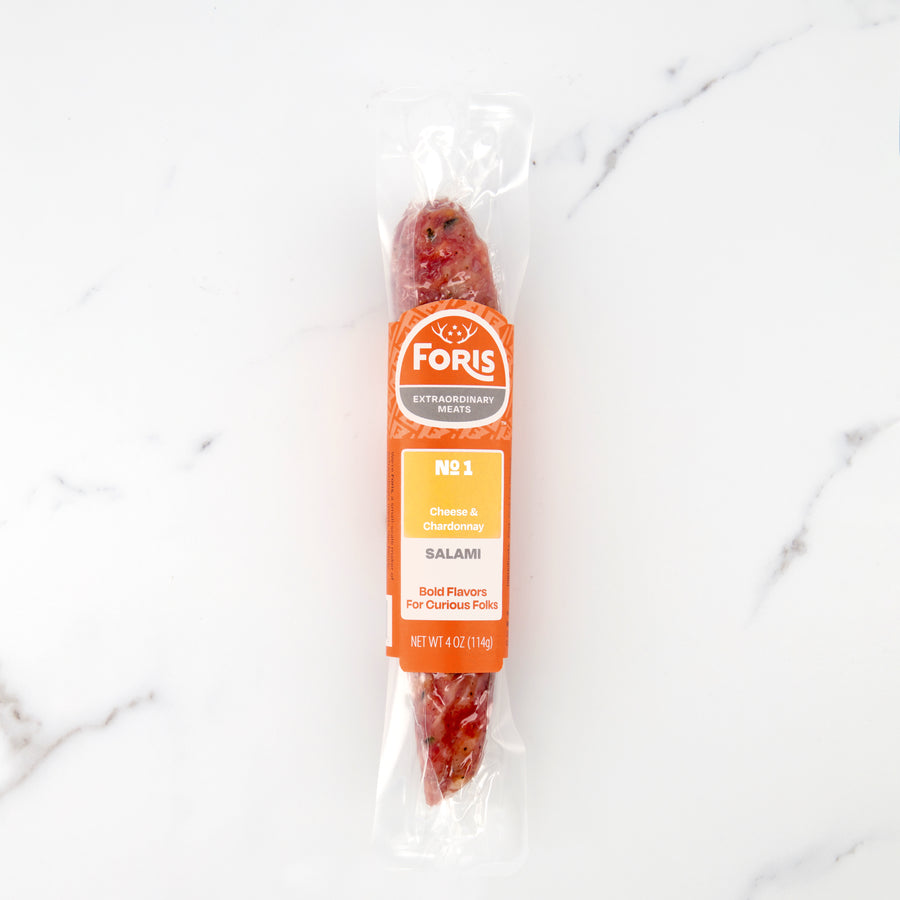
Foris Extraordinary Meats doesn’t try to reinvent charcuterie. They focus on doing it right. Traditional methods. Thoughtful seasoning. No gimmicks.
Their approach to artisan charcuterie is grounded. Honest. They understand that cured meats online only work when trust is earned, not demanded.
You can taste the restraint. The patience. The respect for the process. That’s not something you fake.
If you’re curious, skeptical, or just tired of overhyped food, it’s worth exploring what they offer.
Final Thoughts
Artisan charcuterie isn’t about trends. It’s about slowing down in a world that won’t stop rushing. It’s about food that asks you to pay attention, even for a moment.
Buying cured meats online isn’t risky when you choose people who care. It’s actually freeing. You get access to real craft without leaving your kitchen.
If you want charcuterie that feels human, tastes intentional, and doesn’t rely on buzzwords, take a look for yourself.
FAQs
What makes artisan charcuterie different from regular cured meats?
Artisan charcuterie is made in small batches using traditional methods, real ingredients, and time. Regular cured meats are often mass-produced for speed and consistency.
Is it safe to order cured meats online?
Yes, when you buy from reputable producers. Properly cured meats are designed to travel and remain stable during shipping.
Do cured meats need refrigeration?
Most cured meats should be refrigerated after opening. Before that, storage depends on the specific product and curing method.
Why do artisan cured meats cost more?
They take longer to make, use better ingredients, and require skilled hands. You’re paying for craftsmanship, not shortcuts.