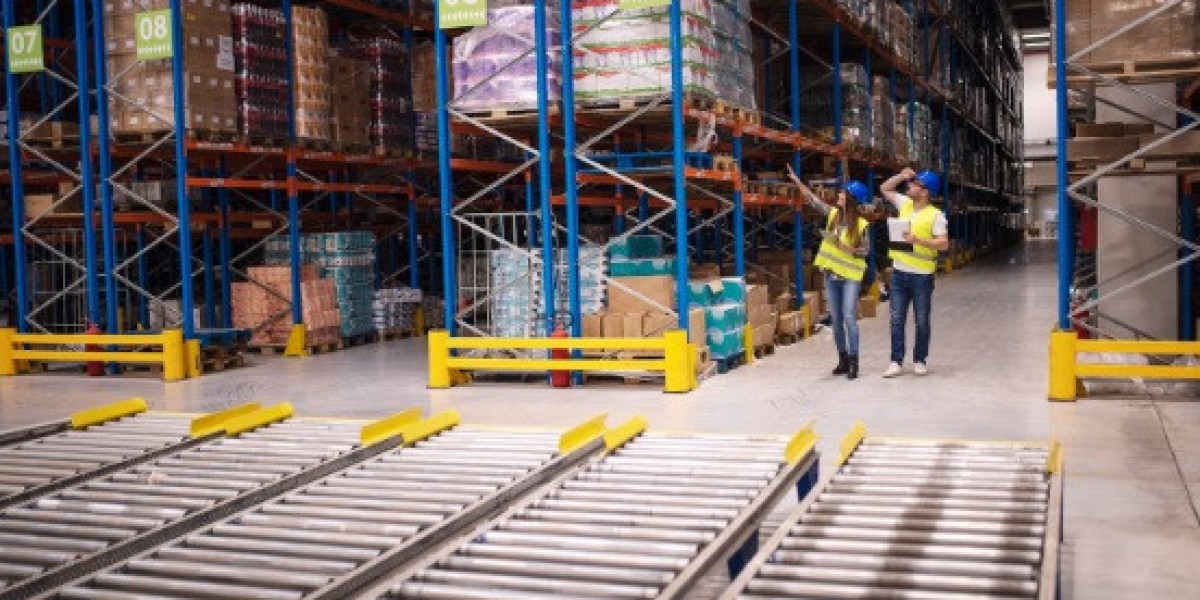

Warehouse facility automation implementations do not proceed as planned quite often, and not because of the technological constraints, but due to storage-related bottlenecks. Cluttered layouts, arbitrary inventory location, and rigid rack structures create friction during system installation and testing. Without a storage environment that supports automation workflows, even advanced equipment can witness delays and below-par performance.
A well-organised warehouse storage solution paves the way for automation implementation. It provides predictable material flows, standard operating conditions, and uninterrupted pathways for facilitation. With automation implementation in mind, designing a storage system equips a warehouse to adjust to the new technologies, hence reducing installation complexity and reaching operational stabilisation sooner.
Strategic Storage Design for Automation Readiness
A structured storage environment, creating predictable movement lines and standardised load handling, simplifies the integration of automation. Clearly defined aisles, consistent pallet dimensions, and organised zoning hold back the necessity for complicated system customisation.
Automation technologies rely on consistent layouts for effective navigation. An organised storage layout allows for more stable operation from conveyors and robots, allowing for rapid commissioning because no adjustments are required. This alignment between the physical infrastructure and automation requirements minimises deployment times while improving long-term system reliability.
Standardisation of Inventory Flow
Warehousing practices must remain consistent in order for products to flow through the warehouse without complications. Standardised pallet sizes, uniform rack configurations, and fixed pick locations allow automation systems to operate with minimal recalibration.
With predictable inventory flow, automation equipment may be reconfigured quickly, reducing complexity in installation. This ensures that robotic systems can perform at optimal speed from the first day of operation.
Infrastructure Compatibility with Automation Systems
Automation equipment requires suitable flooring, aisle widths, and structural support. Warehouses that fulfil these requirements can install automation tools without any sort of expensive modifications.
Proper lighting, network connectivity, and safety zones also contribute to faster system integration. A storage environment built with automation in mind eliminates unnecessary delays and supports efficient technology adoption.
Right lighting, network connectivity, and security zones can further facilitate faster integration of systems. Storage environment designed to support automation, avoid delays, and favour technology adoption in quick and effective manners.
Storage Features That Accelerate Automation
Well-optimised rack layouts supporting robotic navigation
Properly marked travel paths for autonomous equipment
Uniform load sizes for safe and consistent handling
Dedicated automation zones for streamlining integration
These elements reduce system calibration time and improve operational stability during deployment.